




What Is Gravel-Mix Soil?
Forget picturing a dusty construction site. Gravel-mix soil isn’t just a pile of rocks; it's a carefully considered growing medium designed for specific horticultural goals. Often called “lean” or “gritty” soil, it’s a blend of mineral components (like
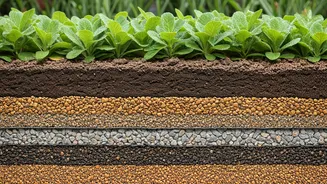
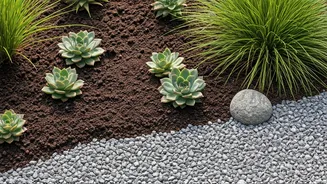
crushed stone, pea gravel, or coarse sand) and a smaller amount of organic matter (like compost or topsoil). The ratio is key. While a rich garden bed might be mostly compost and loam, a gravel mix prioritizes aggregates. This composition mimics the natural, rocky environments of alpine slopes, Mediterranean hillsides, and arid plains, creating a habitat where certain plants feel right at home. The goal isn't to starve the plants, but to provide just enough nutrients while ensuring the physical structure of the soil is porous and stable, preventing the waterlogging and compaction that plague many traditional gardens.
The Unsung Hero: Superior Drainage
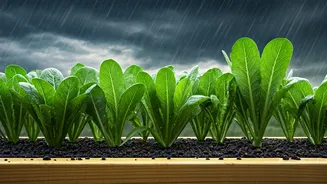
The number one superpower of a gravel-mix soil is drainage. For countless popular plants—from lavender and rosemary to succulents and ornamental grasses—soggy roots are a death sentence. Heavy clay soils, common in many parts of the U.S., hold onto water, suffocating roots and promoting fungal diseases like root rot. A gravel mix solves this problem instantly. The spaces between the stones and sand create channels that allow excess water to flow away quickly and freely. This ensures that plant roots get the oxygen they need to thrive. For gardeners in rainy climates or those with low-lying spots in their yard, amending the soil with gravel can be the difference between a thriving garden and a mushy, disappointing mess. It’s a simple, structural solution to one of gardening’s most persistent problems.
Built for Tough Plants and Low Maintenance
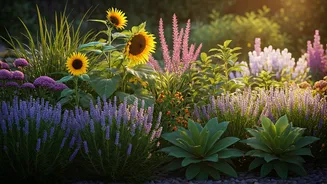
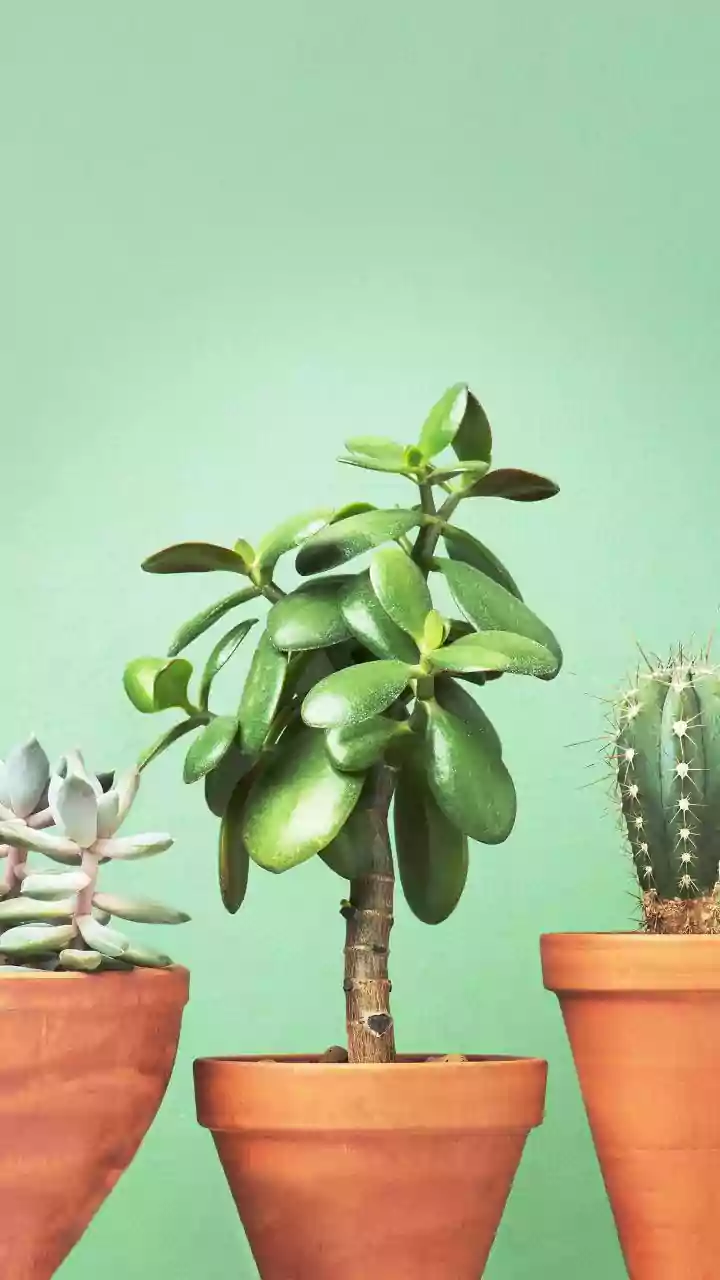
Rich, fertile soil needs constant amending, feeding, and weeding. Gravel-mix soil, on the other hand, is the foundation for a lower-input garden. It’s the perfect home for a whole category of beautiful, resilient plants. Think of the tough, gorgeous species that flourish in challenging conditions: drought-tolerant perennials like Coneflower and Yarrow, Mediterranean herbs that release their fragrance in the sun, and sculptural succulents that ask for little more than good light. These plants have adapted to survive with less water and fewer nutrients. Planting them in an overly rich soil can actually make them weak, floppy, and less resilient. A lean, gritty mix encourages strong, compact growth and often intensifies the color and fragrance of their flowers and foliage. For anyone seeking a beautiful garden that doesn't demand constant attention, this is the way to go.
A Natural Weed and Pest Deterrent
One of the most tedious garden chores is weeding. A top-dressing of gravel over your soil mix provides a surprisingly effective physical barrier against weeds. Many weed seeds need light and consistent moisture at the soil surface to germinate, and a dry layer of gravel denies them both. While a determined weed might eventually find its way through, a gravel mulch significantly reduces the overall weeding workload. Furthermore, this dry surface environment is inhospitable to common garden pests like slugs and snails, which prefer the damp, dark conditions found in heavily mulched beds with rich soil. This reduces the need for pesticides or baits, making it a more ecologically friendly choice. It’s a practical, two-for-one benefit: less weeding and fewer pests, all thanks to a simple change in groundcover.
How to Get Started With Gritty Soil
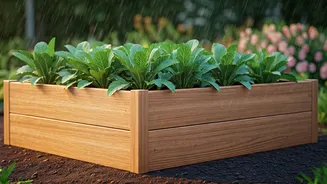
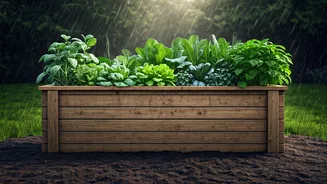
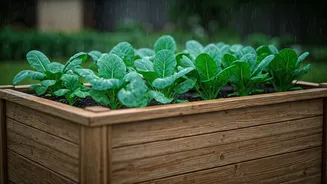
Integrating gravel-mix soil into your landscape is straightforward. For a new bed, especially a raised one, you can create your own mix. A good starting point for a xeric or rock garden is a blend of roughly 50% inorganic material (like pea gravel or expanded shale) and 50% soil (a mix of topsoil and a small amount of compost). If you're amending an existing bed with heavy clay, the key is to incorporate the gravel deeply. Simply layering it on top can create a “bathtub effect” where water gets trapped beneath. Dig down at least 12 inches and thoroughly mix in coarse sand and fine gravel to break up the dense clay and improve porosity. Choose a sunny, well-drained location, as the plants that love this soil type also tend to love sun. Once planted, water thoroughly to settle the soil, then let the natural drought-tolerant magic begin.