








The Colonial Hangover in the Garden
For decades, the ideal urban Indian garden looked suspiciously British. Perfectly trimmed lawns, neat rows of colorful but non-native annuals, and decorative but ecologically inert shrubs dominated the aesthetic. This was partly a colonial legacy, a preference
for the familiar and orderly gardens of Europe transplanted into a tropical climate. Species like bougainvillea, while beautiful, are native to South America. Manicured grass lawns require immense amounts of water, fertilizer, and pesticides to survive the Indian heat and monsoon cycles. In a country facing increasing water scarcity and extreme weather events, this model has become not just outdated, but unsustainable. These ornamental gardens were green deserts—visually pleasant but offering little to no food or shelter for local birds, bees, and butterflies, effectively silencing the native ecosystem.
A Return to Indigenous Roots
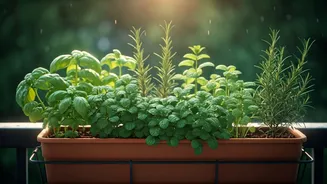
The new movement, championed by environmentally conscious millennials, apartment dwellers, and community groups, is a deliberate return to what belongs. Instead of fighting the climate, they’re working with it. They are actively seeking out and planting species that have evolved over millennia to thrive in the local soil and weather. In place of delicate foreign blooms, you might now see the vibrant scarlet flowers of the Indian Coral Tree (Erythrina variegata), a magnet for birds. On a balcony, you may find the Karonda (Carissa carandas), a thorny, drought-resistant shrub that produces edible berries and provides a safe haven for nesting birds. This isn't just about gardening; it's a reclamation of ecological identity. It’s a conscious decision to cultivate a sense of place in cities that are often defined by concrete and glass, creating a landscape that is uniquely and resiliently Indian.
An Ecosystem in a Flowerpot
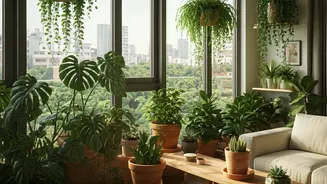
The benefits of this shift extend far beyond aesthetics and water conservation. Planting native flora is an act of rewilding, even on the smallest scale. A single pot of a native flowering plant can become a vital pit stop for pollinators navigating the urban maze. A balcony filled with indigenous species transforms into a micro-habitat, attracting a diverse array of insects, which in turn attract birds. Gardeners report with delight the return of sunbirds, tailorbirds, and a kaleidoscope of butterflies to their windowsills. This creates a powerful feedback loop: the more people who participate, the stronger these ecological corridors become, stitching the fragmented green spaces of a city back together. It's a grassroots solution to biodiversity loss, proving that you don't need a national park to support a functioning ecosystem—a few well-chosen plants on a seventh-floor apartment balcony can do the job.
From Balconies to City Planning
What started with individual enthusiasts is now influencing public policy. Urban planners and municipal corporations are taking note. In cities like Bengaluru, often called India's “Garden City,” there's a growing push to incorporate native species into public parks, roadside medians, and new real estate developments. Activist groups are leading citizen-driven projects to rewild neglected patches of land, replacing invasive species with local trees and shrubs. This larger-scale adoption is critical for climate resilience. Native trees and plants are better equipped to handle both drought and intense monsoon rains, reducing soil erosion and mitigating the urban heat island effect. They are, in essence, a low-cost, self-sustaining form of green infrastructure, perfectly tailored to the challenges of the 21st-century Indian metropolis.