




Understanding the Chemical Concern
While the headline's promise to "eradicate" chemical exposure is a high bar, families can drastically reduce it. The primary concern with conventionally grown produce is pesticide residue. The Environmental Working Group’s annual “Dirty Dozen” list highlights
fruits and vegetables with the highest concentrations of pesticides. These synthetic chemicals are designed to protect crops from insects and weeds but can remain on the food we eat. By growing your own produce, you control every input, from the soil to the seed, ensuring that what lands on your family’s plate is as clean as possible. This isn't about fostering fear, but about empowerment—knowing exactly what you're eating and where it came from.
Framework 1: The Container Garden
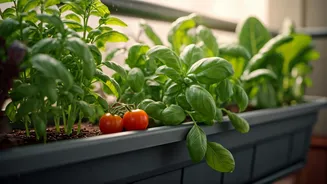
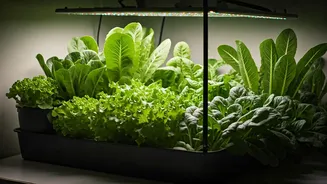
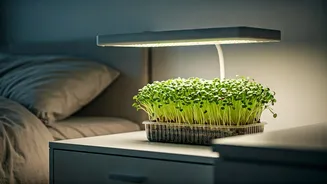
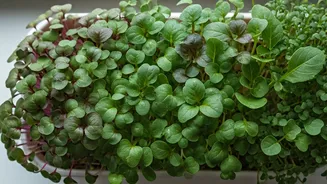
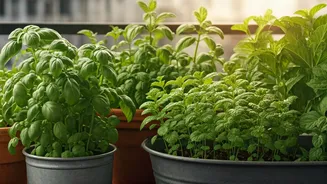
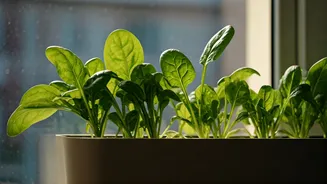
The easiest entry point into urban farming is container gardening. You don’t need a yard—a sunny balcony, patio, or even a well-lit windowsill will do. Almost any vegetable can grow in a container if it's large enough. Start with 5-gallon buckets (with drainage holes drilled in the bottom) for tomatoes or peppers. Window boxes are perfect for lettuce, spinach, and herbs. The key is using high-quality, organic potting mix. This is your foundation. Unlike garden soil, which can be compacted and of unknown quality, a good potting mix provides the perfect balance of drainage, aeration, and nutrients, creating a clean slate for your chemical-free journey.
Framework 2: The Raised Bed Advantage
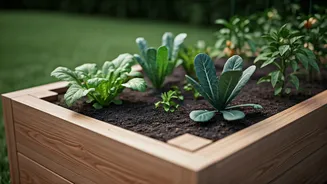
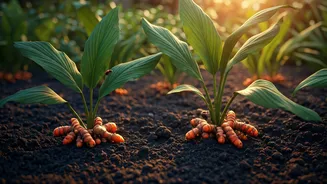
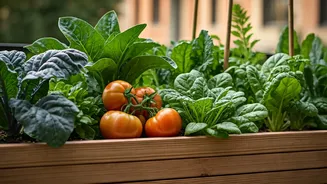
If you have a small patch of land, a raised garden bed is the next logical step. These structures are essentially large, bottomless boxes that you fill with your chosen soil mix. The benefits are numerous. First, you have absolute control over the soil environment, bypassing potentially contaminated or nutrient-poor urban ground soil. Second, raised beds offer superior drainage and warm up faster in the spring, extending your growing season. They also reduce soil compaction and create a clear barrier against weeds and pests, minimizing the need for any chemical interventions. Building one is a simple weekend DIY project, or you can purchase easy-to-assemble kits online.
Framework 3: Going Vertical
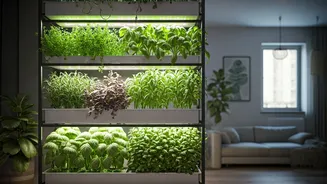
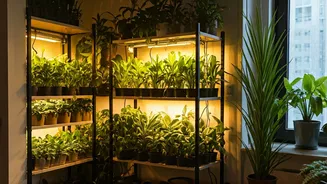
For those with minimal horizontal space, the only way to go is up. Vertical gardening is an innovative solution that maximizes yield in a tiny footprint. This can be as simple as using a trellis for vining plants like cucumbers, peas, and beans, training them to grow upward instead of outward. More advanced systems include wall-mounted pocket planters, stacked pots, or hydroponic towers. These frameworks are not only space-efficient but also make harvesting easier and can improve air circulation, which helps prevent common fungal diseases without the need for fungicides. A wall of fresh strawberries or a tower of leafy greens is a productive and beautiful addition to any urban dwelling.
Starting with Clean Inputs
The entire effort to reduce chemical exposure is only as good as your starting materials. To ensure a truly clean harvest, begin with organic, non-GMO seeds or seedlings from a trusted local nursery. For soil, purchase bags of organic potting mix or create your own blend using compost, peat moss (or a sustainable alternative like coco coir), and perlite. For pest control, explore organic methods like introducing beneficial insects (ladybugs for aphids), using neem oil, or simply picking pests off by hand. By focusing on building healthy soil, you’ll grow stronger plants that are naturally more resistant to pests and diseases, creating a self-sustaining, chemical-free ecosystem.