







The Allure of the Off-Season
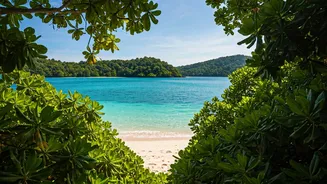
When Americans dream of island getaways, the vision is almost always one of relentless sunshine and turquoise water. The Andaman and Nicobar Islands, a remote Indian archipelago in the Bay of Bengal, certainly deliver that—during peak season. But from
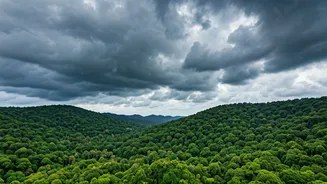
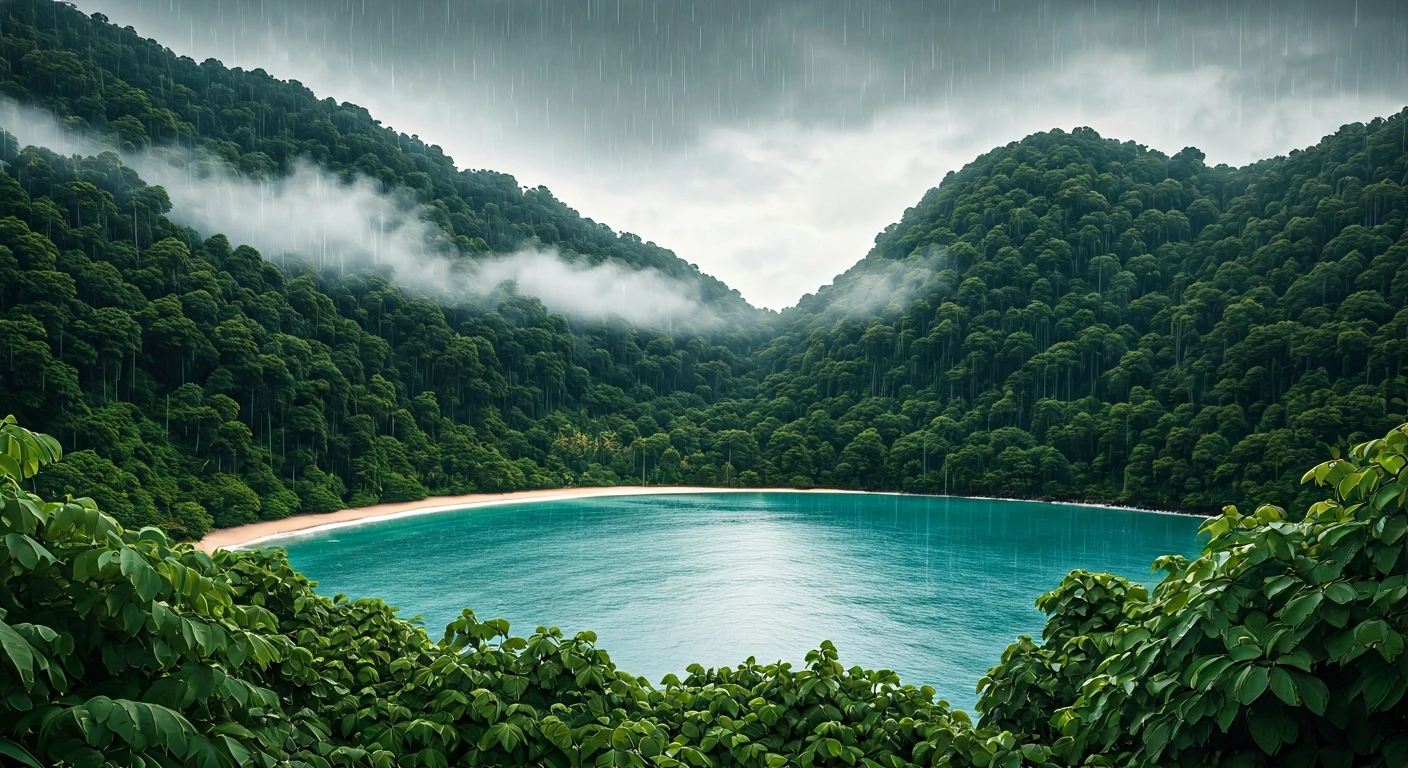
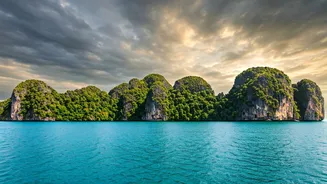
June to September, the monsoon arrives, and with it comes a different kind of magic. This is when the islands transform. The tourist hordes vanish, hotel prices soften, and the entire landscape exhales into a vibrant, super-saturated green. The term “monsoon” can be intimidating, conjuring images of non-stop, vacation-ruining deluges. The reality is often more nuanced: intense, dramatic downpours that last for an hour or two, followed by periods of moody, overcast skies or even brilliant sunshine breaking through the clouds. It’s a dynamic, atmospheric experience that swaps the frantic energy of high season for a deep, meditative calm.
Your Own Private Paradise
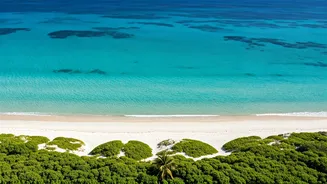
The “hack” in the headline isn’t just about saving money, though you will. It’s about reclaiming privacy. During the popular winter months, stunning beaches like Radhanagar on Havelock Island (Swaraj Dweep) are beloved but busy. In the monsoon, you might find yourself strolling its vast, wet sands with only a handful of other people in sight, or perhaps completely alone. The usual buzz of beach shacks and water-sports vendors quiets down. Cafes become cozy refuges where you can linger over a coffee and a book, watching the rain sweep across the sea. It’s an environment that fosters connection. Without a long checklist of activities to tick off, the focus shifts inward—to conversations, shared quiet moments, and the simple pleasure of being present with a partner in a beautiful, secluded place. It’s the difference between a vacation and a retreat.
The Practical Trade-Offs
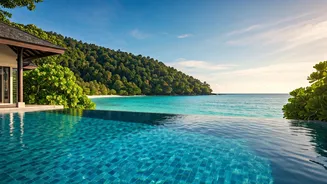
This romantic vision requires a dose of reality. A monsoon trip to the Andamans is not for everyone, and it involves trade-offs. The biggest sacrifice for many will be water activities. Choppy seas and reduced visibility mean that snorkeling and scuba diving, two of the Andamans’ premier attractions, are largely unavailable. Commercial diving operations often shut down entirely. Ferry services between islands can be less frequent and more susceptible to cancellations due to rough weather, demanding flexibility in your itinerary. But what you gain can be just as valuable. The money saved on flights and hotels can be redirected toward a more luxurious resort than you might otherwise book—one with a beautiful pool, an in-house spa, and a fantastic restaurant. The forced downtime becomes an invitation to indulge in a couples massage, take a cooking class, or simply enjoy the comfort of a gorgeous room with an even more gorgeous view of the storm-tossed sea.
How to Plan Your Monsoon Escape
Planning is key to making this hack work. First, choose your base wisely. Havelock Island (Swaraj Dweep) is your best bet, as it has the most robust infrastructure and is most likely to have a good selection of hotels and restaurants open year-round. Neil Island (Shaheed Dweep) is a quieter, charming alternative. Second, book accommodations with care. Look for properties that are destinations in themselves—places with covered verandas, excellent common areas, and high-quality dining. This isn't the time for a basic room you only plan to sleep in. Third, pack smart. In addition to swimsuits and light clothing, bring a reliable rain jacket, waterproof bags for your electronics, and shoes that can handle mud. Most importantly, pack a good dose of patience and a flexible mindset. A ferry might get delayed. A planned beach walk might get rained out. Embrace it as part of the adventure. Book flights that allow for changes and build a buffer day into your schedule before your flight home, just in case.