




Why the Rainy Season Is In
For generations, India’s monsoon season—typically running from June to September—was seen as a travel off-season. It meant flooding, humidity, and canceled plans. But in a post-pandemic world, a major cultural shift is underway, led by India’s millennials
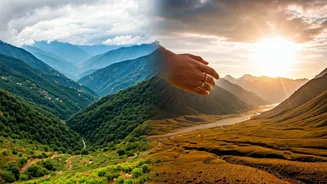
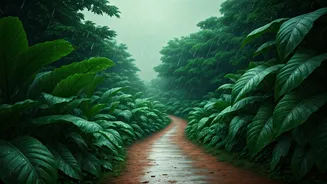
and Gen Z. Freed from lockdowns and fueled by a desire for authentic experiences over curated perfection, they are reclaiming the rains. The trend is driven by a few key factors. First, there's the 'revenge travel' effect: a powerful urge to make up for lost time with meaningful trips. Second, social media has transformed the monsoon from an inconvenience into an aesthetic. The moody skies, mist-shrouded hills, and impossibly green landscapes are a visual feast for Instagram. And finally, there are the practical benefits: fewer crowds and lower prices. For a generation that values experiences and smart spending, the monsoon getaway is the perfect combination of both.
The Lush Backwaters of Kerala
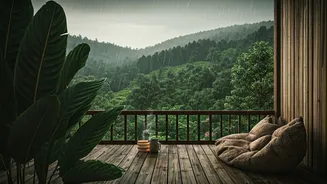
Often called “God’s Own Country,” Kerala’s beauty is amplified to an almost mythical degree during the monsoon. The famous backwaters, a network of serene lagoons and canals, come alive. Imagine gliding on a traditional houseboat as rain patters on the roof, the scent of wet earth and tropical flowers in the air. The landscape transforms into a vibrant tapestry of emerald green paddy fields and swaying coconut palms. This isn’t a trip for frantic sightseeing; it’s about surrendering to a slower pace. It’s for reading a book on a veranda as the storm passes, sipping hot chai, and watching the world get a thorough, cleansing wash. For young travelers seeking a wellness-focused or romantic reset, the tranquil, rain-soaked charm of Kerala is unbeatable.
The Royal Retreats of Rajasthan
Rajasthan, India’s desert state, might seem like an odd choice for a rainy-season trip, but that’s precisely its appeal. When the monsoon arrives, it transforms the arid landscape. Cities like Udaipur, the “City of Lakes,” are at their most romantic. The once-dry lakes swell with water, beautifully reflecting the majestic palaces and heritage hotels that line their banks. The oppressive summer heat gives way to cooler, cloudy days, perfect for exploring ancient forts without the usual crowds. It’s a chance to see a familiar destination with new eyes—to watch storms roll in over the Aravalli Hills from a palace window and experience the region’s royal grandeur with an added layer of atmospheric drama.
The Coastal Escape in Goa
Goa is India's premier party destination, known for its sun-drenched beaches and bustling nightlife. But in the monsoon, it reveals a completely different personality. The beach shacks are packed away, the tourist throngs are gone, and a quieter, more local vibe takes over. This is the Goa that young Indians are now seeking: lush, peaceful, and incredibly green. It’s the perfect time for long drives through verdant countryside, discovering hidden waterfalls, and enjoying the state’s famed cuisine in cozy, rain-swept cafes. The sea is too rough for swimming, but the appeal isn’t the ocean itself—it's the dramatic view of dark, stormy waves crashing on empty shores. It’s Goa in its most natural, contemplative state.
The Mountain Mists of the Western Ghats
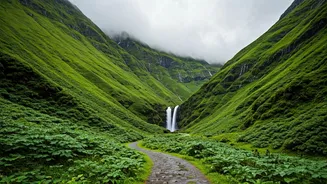
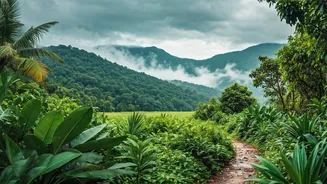
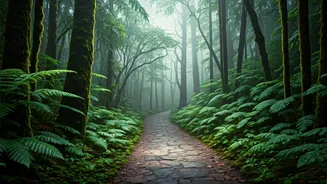
For city dwellers in Mumbai and Pune, the nearby hill stations of the Western Ghats, like Lonavala and Matheran, have long been weekend monsoon escapes. Now, the trend is going national. Travelers are venturing further to places like Munnar in Kerala or Coorg in Karnataka. During the monsoon, these mountain towns are shrouded in a thick, cinematic mist. The air is cool and crisp. Every vista is a sea of rolling green hills, punctuated by gushing waterfalls that appear as if from nowhere. It's a trekker's paradise, with trails that are both challenging and breathtakingly beautiful. For young adventurers, it's about chasing waterfalls, hiking through cloud-covered tea plantations, and finding a cozy homestay to watch the clouds roll by.