



More Than Just a Mountain View
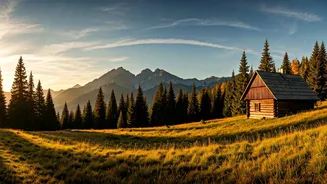
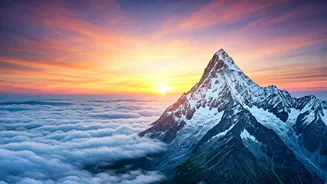
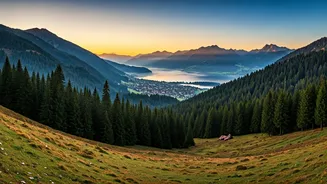
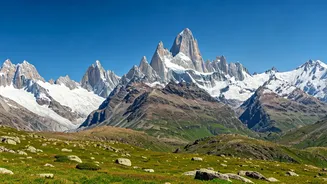
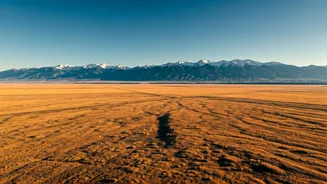
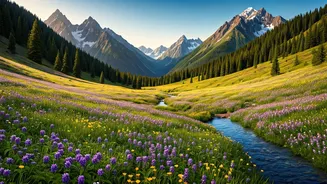
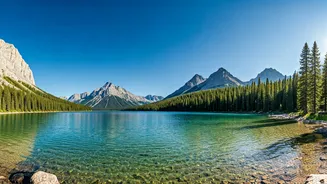
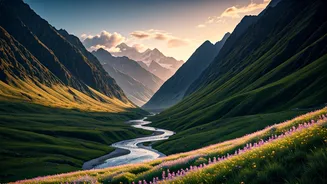
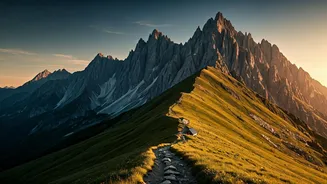
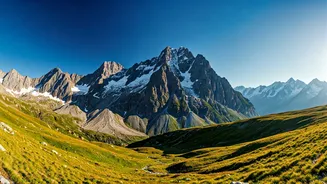
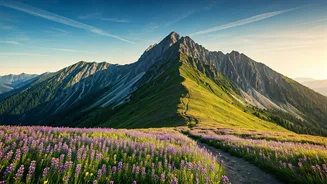
Welcome to the era of “altitude tourism.” This isn't simply about a ski trip or a scenic mountain drive. It’s the conscious decision to spend your vacation at elevations of 5,000 feet or more, seeking a fundamentally different kind of experience. Instead
of tropical humidity, you get crisp, thin air. Instead of the sound of crashing waves, you find profound silence. The goal is to trade the horizontal sprawl of coastlines for the vertical grandeur of the mountains, whether it's from the window of a luxury lodge in Colorado or a tent on an Andean trail. This trend taps into a desire to feel both small in the face of nature and empowered by having reached a new vantage point. It’s a physical and psychological reset, driven by the allure of seeing the world from above the fray.
The Search for 'Thin Air' Wellness
A major driver of this trend is the pursuit of wellness. But this isn't your standard spa weekend. High-altitude environments offer a unique form of restoration. Psychologically, being physically above the daily grind can create a powerful sense of mental clarity and detachment. It’s a literal and figurative change in perspective. Many travelers report feeling a creative or spiritual reset in the mountains, away from the digital noise of city life. On the luxury end of the spectrum, high-end resorts are leaning into this. Hotels in places like Telluride and Aspen now offer “oxygen-enriched” rooms to help guests acclimate, along with wellness programs tailored to the alpine environment, from high-altitude yoga to guided meditative hikes. It’s a holistic approach that connects physical place with mental well-being.
From Rugged Treks to Luxury Lodges
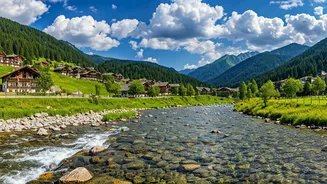
The beauty of altitude tourism is its range. This trend isn’t reserved for elite mountaineers. On one end, you have the classic adventure-seekers embarking on multi-day treks in Nepal or Peru, finding fulfillment in physical challenge and stripped-down living. These trips prioritize raw nature and self-reliance. On the other end, you have an explosion of high-elevation luxury. Think five-star properties in the Swiss Alps or the Rockies where the adventure is curated and comfort is paramount. These destinations offer heli-skiing by day and gourmet meals by night, proving that elevation can be both rugged and refined. This spectrum makes the trend accessible to different types of travelers, whether you’re looking to push your physical limits or simply sip a cocktail while gazing at a snow-capped peak.
A New Perspective on Disconnecting
So, why now? The rise of high-altitude travel feels like a direct response to our hyper-connected, often-overwhelming modern world. After years of being confined, there’s a collective craving for wide-open spaces, fresh air, and meaningful experiences. Mountainous regions are often naturally remote, with spotty cell service that encourages—or forces—a digital detox. This isn't an inconvenience; for many, it's a key feature. Unlike a city break where you're surrounded by distractions, a mountain retreat offers a landscape that’s vast, quiet, and humbling. It prompts introspection rather than consumption. The ultimate luxury, it seems, is no longer just about thread counts and infinity pools, but about finding a place where you can truly hear yourself think.