






1. Basil: The Taste of Summer
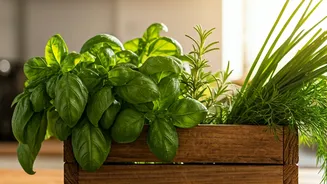
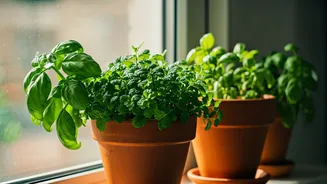
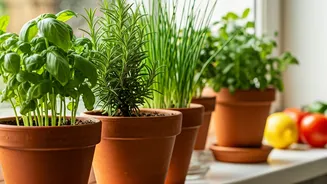
Nothing says fresh like basil. A pot of this fragrant herb is like having a little piece of an Italian garden right on your counter. It’s the key to an authentic Caprese salad, a vibrant pesto, or the perfect finishing touch on a margherita pizza. Store-bought
basil wilts quickly, but with your own plant, you can snip a few leaves whenever the mood strikes, infusing your dishes with a sweet, peppery flavor that’s impossible to replicate from a jar. The upgrade here is pure, unadulterated taste. A simple tomato sauce becomes a masterpiece; a plain sandwich becomes a gourmet lunch. For best results, give this sun-worshipper at least six hours of direct light a day and keep the soil consistently moist but not waterlogged.
2. Mint: The Instant Refresher
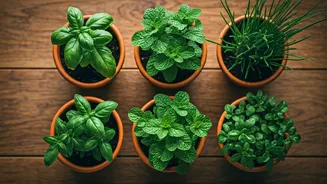
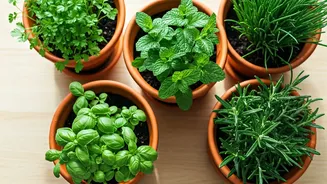
If your kitchen upgrade is about more than just food, mint is your answer. This incredibly vigorous plant is the soul of refreshing drinks, from mojitos and juleps to simple iced tea and infused water. Just crushing a few leaves in your hand releases an invigorating aroma that can brighten the whole room. In the kitchen, it adds a cool, bright note to fruit salads, yogurt, or even savory lamb dishes. Having a pot of mint means you're always five minutes away from a moment of refreshment. It’s a sensory upgrade that offers an escape, turning a glass of water into a mini-spa experience. Mint is famously easy to grow—so easy, in fact, that it’s best kept in a pot. It tolerates partial shade and likes to stay moist.
3. Parsley: The Everyday Workhorse
Don’t underestimate parsley. Often relegated to a forgotten garnish on a diner plate, fresh parsley is a culinary powerhouse. There are two main types: curly and flat-leaf (Italian). For cooking, flat-leaf is generally preferred for its more robust, less bitter flavor. It forms the foundation of sauces like chimichurri and gremolata and adds a clean, grassy brightness to soups, stews, and stocks. This isn't a flashy upgrade; it's a fundamental one. It makes everything taste more finished, more professional. It’s the reliable friend in your herb collection that you’ll reach for almost daily. Parsley does well in a bright spot but doesn’t need as much direct sun as basil. Water it when the top inch of soil feels dry.
4. Chives: The Subtle Finisher
Think of chives as the more delicate, refined cousin in the onion family. Their slender green stalks deliver a mild, fresh onion flavor that enhances without overpowering. They are the absolute best friend to eggs—scrambled, fried, or in an omelet. A simple snip of fresh chives elevates baked potatoes, sour cream, and creamy soups from bland to brilliant. The upgrade they provide is one of elegance and convenience. Instead of chopping a whole onion for a hint of flavor, you can just use scissors to snip the perfect amount directly over your dish. It's a small touch that signals care and attention to detail. Chives are one of the most forgiving indoor herbs. They thrive in a sunny spot and prefer consistent moisture, and you can harvest by snipping leaves from the base to encourage new growth.
5. Rosemary: The Aromatic Powerhouse
Rosemary offers an upgrade for your nose as much as your palate. Its piney, woody aroma is powerful and evocative, filling your kitchen with the scent of a rustic Mediterranean feast just by brushing past it. In cooking, a little goes a long way. It’s essential for roasted chicken, lamb, and potatoes, infusing them with a savory depth that is simply magnificent. You can even use a sturdy sprig as a skewer for grilling vegetables or meat to impart its flavor. This is the herb that makes your kitchen smell like a serious cook lives there, providing an aromatic, full-sensory upgrade. Rosemary loves sun and hates wet feet. Plant it in a pot with excellent drainage (like terra-cotta) and let the soil dry out completely between waterings.