
The Gut Health Craze vs. The Daily Curd
Walk down any health food aisle and you’ll be bombarded with products promising to heal your gut. From artisanal kombucha to pricey probiotic supplements, improving digestive flora has become a multi-billion dollar industry. The advice is to consume more
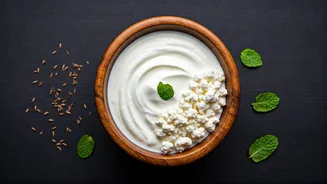
fermented foods to cultivate a healthy microbiome. Meanwhile, in millions of Indian households, this isn't a trend; it's just lunch. A small bowl of homemade yogurt, or *dahi*, is a non-negotiable part of the daily meal. This simple, inexpensive food is a natural probiotic, consumed consistently for generations to aid digestion and cool the body. It’s not a fad bought in a fancy bottle. It’s a quiet, everyday practice that provides the very benefits Western wellness is now frantically trying to package and sell.
Anti-Inflammatory Diets vs. The Humble Spice Box
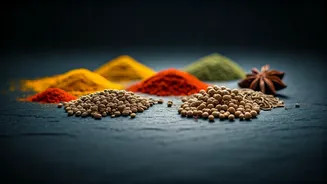
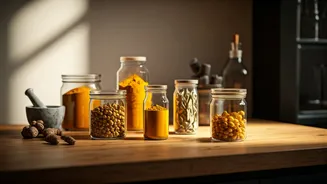
The word “inflammation” has become a wellness boogeyman, linked to everything from chronic disease to skin issues. The solution, we're told, is to load up on “anti-inflammatory” superfoods. Turmeric lattes cost seven dollars a cup, and concentrated curcumin supplements fly off the shelves. Contrast this with the Indian *masala dabba*, or spice box. It’s the heart of the kitchen, holding staples like turmeric, cumin, coriander, and ginger. Turmeric, with its active compound curcumin, isn't a supplement; it’s a foundational flavor, added by the pinch to nearly every savory dish. It’s consumed daily, in small, consistent, and bioavailable ways—often cooked with fat (like ghee) and black pepper, which science now confirms enhances absorption. This approach doesn’t isolate one “superfood” but integrates powerful compounds into a delicious whole, making anti-inflammatory eating an automatic, flavorful byproduct of a normal meal.
Plant-Based Protein vs. The Power of Dal
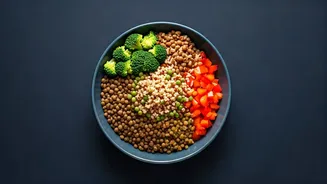
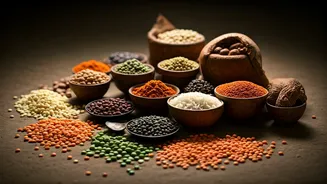
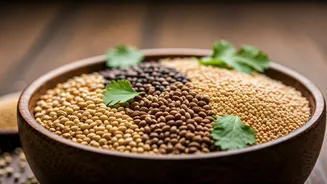
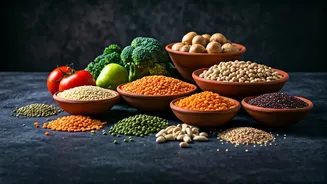
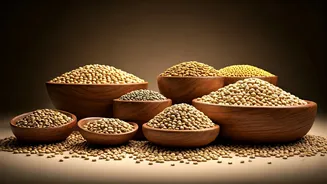
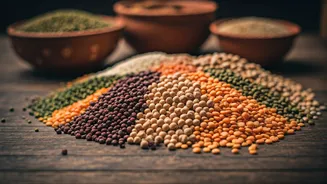
The move toward plant-based eating is one of the biggest shifts in the American food landscape, driven by health, ethical, and environmental concerns. Consumers are navigating a world of engineered meat substitutes and expensive protein powders to get their fix. But for a huge portion of India, a plant-forward diet has been the default for millennia. The cornerstone of this is *dal*—a nourishing, savory stew made from lentils, beans, or peas. Dal is the reliable, everyday source of protein, fiber, and essential nutrients. Paired with rice or roti, it forms a complete protein. There are hundreds of varieties, ensuring diversity in flavor and nutrients. It’s the ultimate rebuttal to the idea that plant-based protein is a modern, difficult, or expensive invention. It's peasant food, and it’s perfect.
Macro-Tracking vs. The Balanced Thali
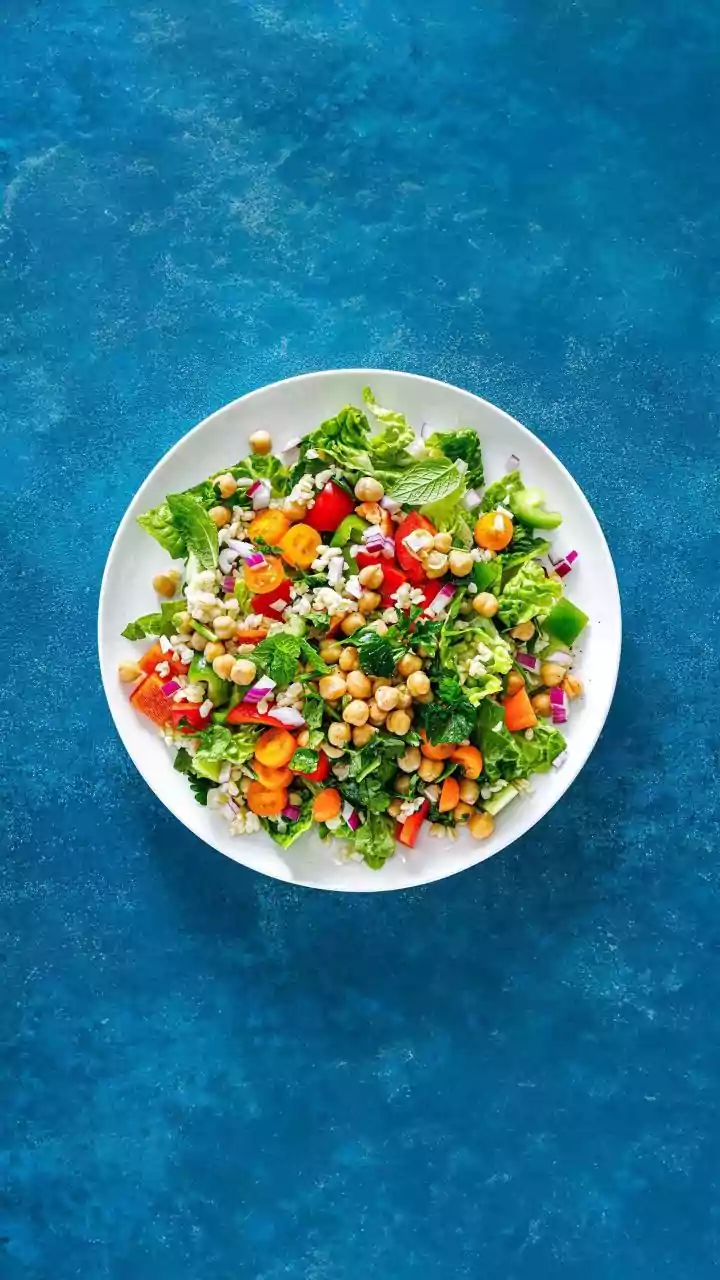
Modern diets often involve meticulous tracking: counting calories, weighing portions, and balancing macronutrients (carbs, proteins, fats). It’s a data-driven, often stressful approach to nourishment that can strip the joy from eating. Now, picture a *thali*. This traditional Indian meal is a round platter featuring a harmonious collection of small bowls. A typical thali intuitively balances the plate for you. You’ll find a source of carbs (rice/roti), protein (dal/curry), vegetables (*sabzi*), a fermented element (dahi/raita), a pickle for taste, and a small sweet for dessert. It naturally incorporates all six tastes recognized in Ayurveda—sweet, sour, salty, bitter, pungent, and astringent. It’s a complete, satisfying, and visually appealing meal that delivers nutritional complexity without a single calculation. It’s the original personalized meal plan, perfected over thousands of years.