






The Scoop That Built Communities
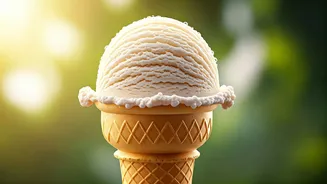
Long before we had a freezer full of pints, ice cream was an event. In the 19th century, it was a laborious, expensive luxury, often reserved for the wealthy or for special occasions like the Fourth of July. Its ingredients—ice, salt, sugar, cream—were
precious commodities. But as technology and industry evolved, so did our access to this frozen wonder. The invention of commercial freezers and the rise of the local ice cream parlor in the late 1800s and early 1900s transformed it from a novelty into a neighborhood staple. The ice cream social wasn’t just about eating a sweet treat; it was a reason to gather on a porch or in a park on a sweltering evening. It was a democratic dessert, enjoyed by all ages, a creamy catalyst for conversation and connection in an era before digital distraction.
The Golden Age of the Soda Fountain
If the ice cream parlor was the community’s front porch, the soda fountain was its bustling town square. From the 1920s through the 1950s, the chrome-and-marble counters of drugstores and diners became the epicenter of American social life, especially for young people. This was the birthplace of the modern milkshake and the malted, spun to frothy perfection by a soda jerk. Ordering a chocolate malt or a strawberry float wasn't just a transaction; it was a ritual. It was the taste of a first date, the post-game celebration, the after-school hangout. The appeal was simple and powerful: a tall, cold glass of creamy comfort that was affordable, accessible, and impossibly delicious. It was the fuel of mid-century Americana, a liquid symbol of optimism and youthful freedom served with a long spoon and two straws.
The Simple Science of Satisfaction
There's a reason we instinctively reach for these treats. Our brains are hardwired to seek out the combination of fat and sugar, a vestige of our evolutionary past when high-calorie foods were essential for survival. Dairy delivers this combo in a uniquely satisfying way. The fat in the cream coats the tongue, allowing flavors to linger, while the sugar provides an immediate rush of pleasure. Add the cooling sensation, which provides literal relief from summer heat, and you have a perfect trifecta of physical and psychological comfort. Unlike a complex, multi-component dessert, a simple scoop of vanilla bean ice cream or a classic chocolate shake requires no interpretation. It’s pure, unadulterated satisfaction, a direct line to the brain's reward centers. It doesn’t challenge you; it comforts you.
Enduring Charm in a Complicated World
Today, our dessert landscape is more crowded than ever. We have plant-based alternatives, deconstructed pastry creations, and gelato infused with balsamic vinegar and olive oil. Yet, the classics endure. The soft-serve cone from a roadside stand, the thick milkshake from a local diner, the shared banana split—these experiences hold a power that new trends can’t easily displace. They are vessels of memory. For many, the taste of a simple frozen custard is inextricably linked to a specific boardwalk, a family vacation, or a grandparent’s kitchen. This sensory nostalgia is potent. In a world of endless choice and constant change, the original dairy desserts offer something beautifully simple: a taste of a specific, cherished moment and a reliable promise of uncomplicated joy.