




Why Weather Is The Only Thing That Matters
Lakshadweep, an archipelago of 36 islands off the southwestern coast of India, is the definition of a remote tropical getaway. Its beauty is raw and its infrastructure is minimal, which is part of the charm. However, this also means it's incredibly vulnerable
to weather. Unlike a sprawling city where you can duck into a museum during a storm, a trip to Lakshadweep is almost entirely outdoors. Your experience hinges on calm seas for boat transfers, clear skies for beach days, and good water visibility for the main attractions: snorkeling and diving. The region is governed by a powerful monsoon climate that effectively splits the year into two distinct periods: a picture-perfect tourist season and a near-complete shutdown.
The Sweet Spot: October to Mid-May
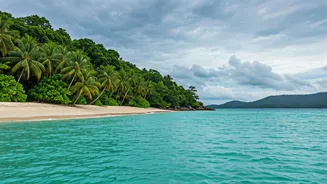
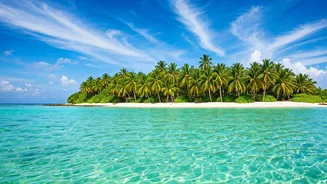
This is the window. If you’re planning a trip, aim for these months. From October, after the heavy monsoon rains have subsided, the islands enter a period of idyllic weather. You can expect warm, sunny days with temperatures hovering in the 75-90°F range, low humidity, and calm, turquoise seas. This is the peak season for a reason. All resorts are open, the inter-island ferries and flights from the mainland (to the main island of Agatti) operate on a regular schedule, and the water conditions are perfect. Visibility for scuba diving and snorkeling can exceed 80 feet, revealing vibrant coral reefs teeming with marine life. This is the Lakshadweep you see in the brochures—a tranquil, accessible paradise. Even within this window, the absolute best time is often considered to be from December to April, when the chance of any lingering rain is at its lowest.
The Monsoon Season: Mid-May to September
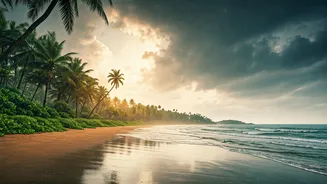
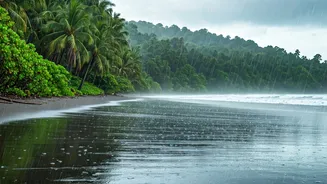
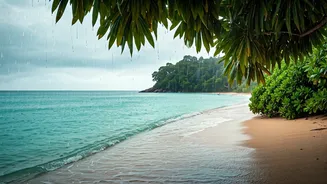
When travel guides say to avoid Lakshadweep during the monsoon, they aren't exaggerating. Starting in late May, the powerful Southwest Monsoon rolls in, and it fundamentally changes the islands. This isn’t about a few afternoon showers; it's about torrential downpours, strong winds, and dangerously rough seas. During these months, travel to and between the islands becomes difficult and often impossible. Ship and ferry services are severely curtailed or suspended entirely for safety reasons. Flights can be frequently delayed or canceled. Most importantly, the very activities that draw people here are off the table. The water becomes murky and unsafe for swimming, snorkeling, or diving. Many resorts and guesthouses catering to tourists close down for the season, as it's simply not feasible to operate. While it’s a vital time for the local ecosystem, it is not a viable time for a vacation.
A Note on the 'Other' Monsoon
To add a layer of nuance, the region also experiences a less intense Northeast Monsoon, typically from late October to November. While the Southwest Monsoon brings the most dramatic weather, this later, milder monsoon can still bring intermittent rain and slightly more unsettled seas, particularly at the beginning of the tourist season in October. It’s rarely enough to derail a trip entirely, but it’s a good reminder that the transition out of the rainy season isn't always a perfect switch. If you travel in October or November, you might experience a few cloudy days or brief showers, but it's generally a far cry from the shutdown conditions of the summer months. It's a small gamble for often lower prices and fewer crowds right at the start of the season.