



An Oasis in the Desert State
For most Americans, Rajasthan conjures images of shimmering desert forts, camel caravans, and the vibrant, sun-baked cities of Jaipur and Jodhpur. But nestled in the Aravalli Range is an unexpected jewel: Mount Abu, the state’s only hill station. At an elevation
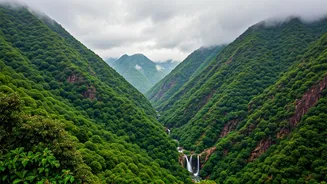
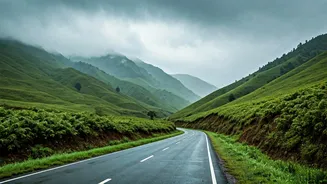
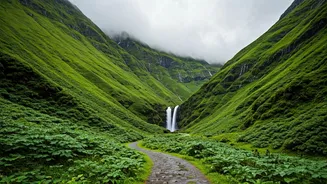
of over 4,000 feet, it’s a lush, forested plateau that serves as a cool escape from the scorching heat of the surrounding plains. While it’s a popular year-round destination, the mountain transforms into something truly magical during the monsoon season, which typically runs from July through September. The arid landscape gives way to an explosion of greenery, waterfalls appear from granite cliffs, and the region’s centerpiece, Nakki Lake, fills to the brim, shrouded in a cinematic layer of fog.
The Counterintuitive Charm of a Monsoon Honeymoon
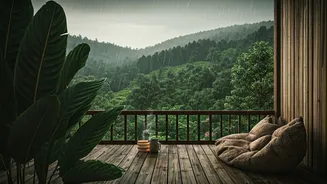
The idea of planning a romantic getaway during a region’s rainiest season might seem backward to Western travelers conditioned to chase endless summer. But in India, the monsoon is an event celebrated for its life-giving and transformative power. The relentless heat breaks, the dust settles, and the world is washed clean. For couples, especially honeymooners, this period offers a unique brand of romance. The mood is cozy and introspective, perfect for spending time together indoors, sipping chai while watching the rain. The usual tourist throngs thin out, creating a more intimate experience. In a place like Mount Abu, this means misty morning walks, serene boat rides on a fog-covered lake, and the feeling of having a secret, verdant world all to yourselves.
More Than Just Misty Views
While the atmosphere is the main draw, Mount Abu isn’t just for staring out the window. Its attractions take on a different character during the monsoon. Boating on Nakki Lake, with the town’s hills peeking through the clouds, becomes an ethereal experience. A drive up to Guru Shikhar, the highest point in the Aravalli Range, offers breathtaking, if fleeting, views of the clouds rolling beneath you. But perhaps the most stunning sight is the Dilwara Temples. This complex of five Jain temples, carved from brilliant white marble between the 11th and 13th centuries, is an architectural marvel in any season. But seeing the intricate, lace-like carvings set against the dramatic grey skies and lush green foliage of the monsoon creates a powerful and unforgettable contrast. The cool, quiet halls provide a perfect sanctuary from a passing shower, allowing visitors to soak in the incredible craftsmanship.
Why Is It Making a Comeback?
Mount Abu has long been a beloved honeymoon spot for couples from the neighboring states of Gujarat and Rajasthan. Its recent resurgence on national travel lists points to a broader shift in travel desires. After years of restrictions, travelers are seeking out immersive, nature-centric experiences over crowded hotspots. The social media aesthetic has also played a role; the moody, romantic, and deeply green visuals of a monsoon in the mountains are incredibly appealing. Furthermore, there's a growing appreciation for classic, nostalgic destinations. For a new generation of Indian honeymooners, and for international travelers looking for an authentic slice of Indian culture, Mount Abu offers a timeless romance that feels both classic and refreshingly different from the typical tropical escape. It's not just a trip; it’s an atmosphere.