




A Garden That Climbs the Walls
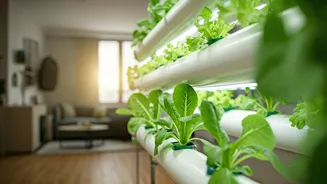
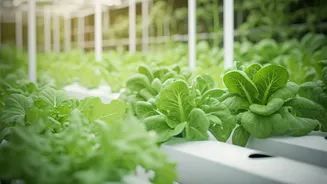
This isn't your typical backyard plot. The technology fueling this trend is hydroponics, a method of growing plants without soil, using mineral nutrient solutions in a water solvent. Paired with a vertical design, these systems look less like a farm and
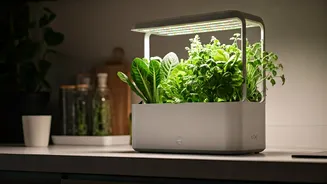
more like a sleek, living appliance. Imagine a modular tower or a wall-mounted panel, complete with its own LED grow lights and an automated watering system, quietly cultivating rows of lettuce, spinach, basil, and mint. Startups across India are now marketing these as all-in-one kits. The promise is hyper-local food with almost zero effort: just add water, nutrients, and seeds, and the system handles the rest. For the user, it’s a plug-and-play solution that transforms a few square feet of wall or counter space into a productive micro-farm, capable of yielding fresh greens year-round, independent of weather or outdoor pollution.
Why This Matters in a Megacity
To understand the appeal, you have to understand Delhi. With a metropolitan population soaring past 30 million, space is at an absolute premium. Most residents don't have access to a yard or even a sizable balcony. At the same time, concerns are growing over the quality and safety of the food supply. Produce often travels hundreds of miles, losing freshness and nutritional value along the way. Reports of high pesticide residues and contaminated water sources used for conventional farming have made consumers wary. This technology offers a compelling alternative. It sidesteps the challenges of the traditional supply chain by collapsing the distance between farm and table to a few feet. It gives families direct control over what they eat, ensuring their greens are free from pesticides and grown with clean, filtered water—a powerful proposition in a city grappling with environmental pressures.
From a Box to Your Plate
The “installs easily” part of the headline is the core of the business model for companies pioneering this space. These kits are designed for people who aren't gardeners and don't have time to learn. They typically arrive in a box with simple, snap-together components. The user assembles the structure, fills a reservoir with water, adds a nutrient packet, places seed pods into designated slots, and plugs it in. The system’s built-in timers manage the light cycles and a small pump circulates the nutrient-rich water. Maintenance is minimal—often just a weekly water top-off. This ease of use is crucial. It’s not about hobbyist gardening; it’s about providing a utility. In as little as three to four weeks, a family can begin harvesting fresh, crisp lettuce or herbs for their meals, bringing an unprecedented level of food autonomy directly into the urban home.
A Blueprint for Future Cities?
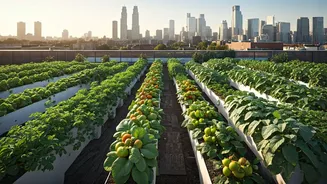
While the trend is still nascent, its implications are global. Delhi is a test case for how technology can help build more resilient, self-sufficient food systems in the face of rapid urbanization. The challenges it faces—space constraints, pollution, and strained supply chains—are mirrored in megacities from Lagos to Los Angeles. The success of these kitchen-sized farms offers a glimpse into a future where a significant portion of a city's fresh produce is grown within its own footprint, reducing food miles, water usage, and waste. This isn't a replacement for large-scale agriculture, but it represents a powerful decentralization of food production. It empowers individuals and communities, enhances nutritional security, and re-establishes a connection between people and the food they consume, one tiny kitchen at a time.