


The Himalayan Escape You Haven't Outgrown
For decades, the names Manali and Kasol have conjured images of tie-dyed twenty-somethings, epic treks, and smoke-filled cafes. And while that bohemian spirit certainly lingers, these towns in the northern state of Himachal Pradesh have matured into something more.
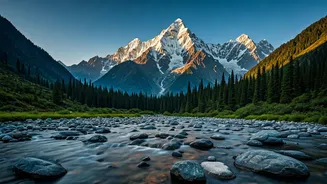
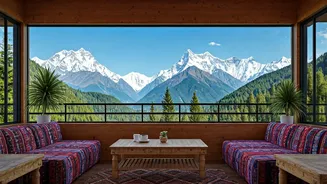
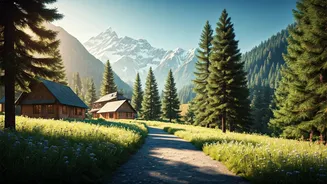
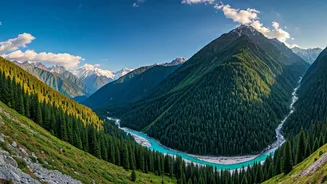
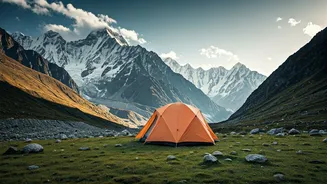
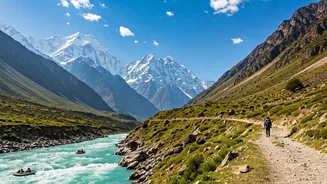
Today, they offer a compelling mix of raw natural beauty and surprising comfort, appealing as much to a 30-something professional seeking a digital detox as to a seasoned trekker. The region is a stunning counterpoint to the frenetic energy of India’s megacities. Here, the soundtrack is the rush of glacial rivers, the air smells of pine and deodar cedar, and the horizon is a jagged line of snow-dusted peaks. It’s the kind of place that forces you to slow down, breathe deeply, and simply be present.
Manali: Your Adventure Basecamp
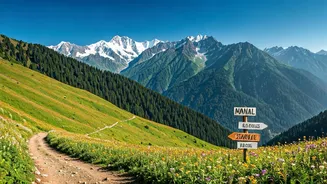
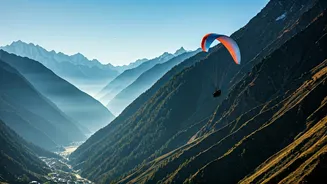
Manali is the more developed and accessible of the two, serving as a gateway to high-altitude adventure. The town is split between the bustling, commercialized New Manali and the quieter, more charming Old Manali. Most travelers gravitate toward the latter, a village of cobblestone paths, timber-and-stone guesthouses, and a delightful collection of cafes serving everything from steaming momos (Tibetan dumplings) to wood-fired pizza. By day, Manali is a hub for activity. You can arrange for thrilling whitewater rafting on the Beas River, rent a motorbike to explore the Solang Valley, or visit the ancient Hadimba Devi Temple, a wooden pagoda-style structure nestled in a forest. It’s a town that buzzes with possibility, providing a comfortable and well-equipped base from which to launch your Himalayan explorations.
Kasol: The Parvati Valley Vibe
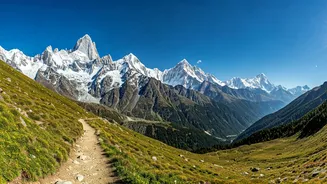
A couple of hours’ drive from Manali lies a different world. Situated on the banks of the thunderous Parvati River, Kasol is smaller, more rustic, and radiates a distinctly tranquil, counter-cultural vibe. Often called 'Mini-Israel' due to the large number of Israeli travelers who flock here, the town’s signs are often in Hebrew, and the bakeries turn out excellent shakshuka and cinnamon rolls. Kasol itself is a place for chilling out—reading a book by the river, sipping chai at a riverside cafe, or simply soaking in the majestic views of the surrounding Parvati Valley. But its main draw is as a trailhead. From here, you can embark on one of the region’s most rewarding treks: a multi-day hike to Kheerganga, a meadow at 9,700 feet famous for its natural hot springs with panoramic mountain views. It’s a challenging but unforgettable journey.
Why June is the Golden Month
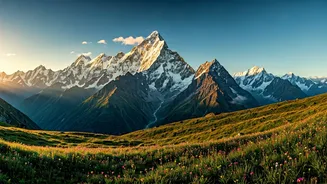
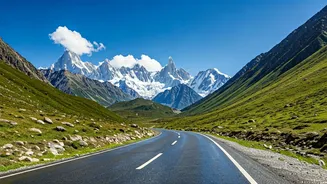
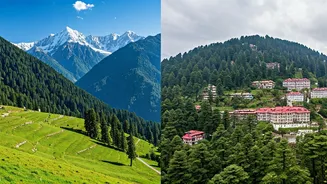
Timing is everything in the Himalayas, and June hits the absolute sweet spot. The harsh winter has fully receded, but the heavy monsoon rains that can trigger landslides and wash out roads typically haven’t arrived yet. The result is a landscape bursting with life. The valleys are a vibrant, lush green, wildflowers are in bloom, and the weather is pleasantly warm during the day and cool at night. It’s ideal for trekking, sightseeing, and just being outdoors. Furthermore, crucial high-altitude routes like the Rohtang Pass near Manali, which connects the Kullu Valley with the starkly beautiful Lahaul and Spiti Valleys, are usually open by June, unlocking access to even more remote and dramatic landscapes for the truly adventurous.
What to Know Before You Go
While these towns are traveler-friendly, they’re not Aspen. Cell service and Wi-Fi can be spotty, especially in and around Kasol. ATMs are available but can run out of cash, so it’s wise to carry a decent supply of rupees. The crowds are real, especially on weekends, but they tend to congregate in the main town centers; a short walk or hike is often all it takes to find solitude. For the American palate, the food is a highlight. Beyond the excellent North Indian and Tibetan fare, the global backpacker influence means you'll find great coffee, pastries, and Italian food. Just embrace the slower pace of service—it's all part of the mountain-town charm.