






More Than a Calendar Date
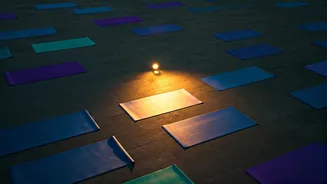
Established by the United Nations in 2014, International Yoga Day (June 21) serves as a global celebration of a practice that originated in India thousands of years ago. It’s a day when millions of people, from bustling city squares to quiet local parks,
roll out their mats to participate in mass yoga sessions. But its true purpose isn't just to coordinate a worldwide downward dog. The day is designed as an annual reminder of the holistic benefits of yoga—a system that integrates body, mind, and spirit. In our fast-paced, high-stress world, it’s an invitation to slow down, breathe deeply, and connect with a practice proven to foster well-being from the inside out.
A Powerful Tool for Stress Relief
For many Americans, the primary entry point to yoga isn't the quest for a handstand, but the search for calm. Modern life is a constant barrage of notifications, deadlines, and pressures. Yoga offers a practical antidote. The practice emphasizes controlled, mindful breathing (pranayama), which has been shown to activate the body's parasympathetic nervous system—the 'rest and digest' state that counteracts the 'fight or flight' stress response. By focusing on your breath and physical sensations, you anchor yourself in the present moment, creating mental space and reducing the cyclical patterns of anxiety and worry. Even a short, 15-minute session can help lower cortisol levels and reset your entire nervous system, making it one of the most effective and accessible stress-management tools available.
Building Strength and Flexibility
While the mental benefits are profound, yoga is also a formidable physical discipline. Unlike many workout routines that isolate specific muscles, a balanced yoga practice engages your entire body. Poses like Warrior II and Plank build functional strength in your legs, core, and upper body, while gentle, flowing sequences improve cardiovascular health. The emphasis on holding postures and moving through a full range of motion significantly enhances flexibility and mobility. This isn't just about being able to touch your toes; improved flexibility helps protect your joints, improve posture after long days at a desk, and reduce the risk of injury from other physical activities. It’s a low-impact workout that delivers high-impact results for people of all fitness levels.
Unlocking Better Sleep
A good day often starts with a good night's sleep, yet millions of Americans struggle to get the rest they need. Yoga can be a game-changer for sleep hygiene. The same stress-reducing mechanisms that calm your mind during the day can help prepare your body for rest at night. A gentle evening practice, focusing on restorative poses like Child's Pose and Legs-Up-the-Wall, helps release physical tension accumulated throughout the day. By quieting the mental chatter and down-regulating the nervous system, yoga can help you fall asleep faster and experience deeper, more restorative sleep cycles. It addresses the root causes of many sleep issues—stress and a racing mind—rather than just the symptoms.
How to Get Started (No Pretzel Poses Required)
The idea of starting yoga can be intimidating, but it doesn't have to be. The beauty of the practice is its adaptability. Forget the images of hyper-flexible people in impossible poses. Your yoga journey starts right where you are.
1. Find a Beginner's Class: Look for free videos on YouTube labeled "Yoga for Beginners" or "Gentle Yoga." These classes move slowly and offer detailed instructions.
2. Focus on Breath, Not Perfection: The most important part of yoga is linking your breath to your movement. If you're breathing consciously, you're doing it right. Don't worry about what the pose looks like.
3. You Don't Need to Be Flexible: A common myth is that you need to be flexible to do yoga. In reality, you do yoga to *become* more flexible. It’s a process, not a prerequisite.
4. Start Small: Even 10 minutes a day can make a difference. Consistency is far more valuable than intensity when you're beginning.