





The Great Indian Plate Pivot
For generations, the Indian diet, while diverse, often centered on a foundation of carbohydrates—rice, roti, and breads—complemented by lentils, vegetables, and modest portions of meat or dairy. It was hearty, regional, and deeply traditional. But in
the bustling tech hubs of Bangalore, Mumbai, and Gurgaon, the lunch break looks different now. A software engineer isn't waiting for a multi-tiered tiffin box from home; she’s using her smartphone to order a millet salad with a tahini dressing. A marketing executive is tracking his macros and opting for a grilled chicken subscription service. This isn’t a niche fad; it’s a seismic shift. The concept of “eating smarter” has taken firm root among urban Indian millennials and Gen Z, who are redefining the nation’s relationship with food. This change is less about rejecting tradition and more about augmenting it with a globalized, health-first mindset, fundamentally altering a market of over a billion people.
So, What Does 'Smarter' Look Like?
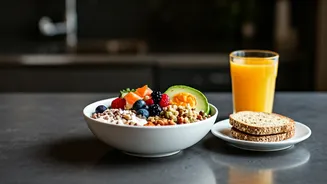
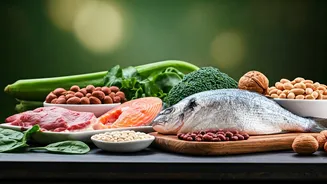
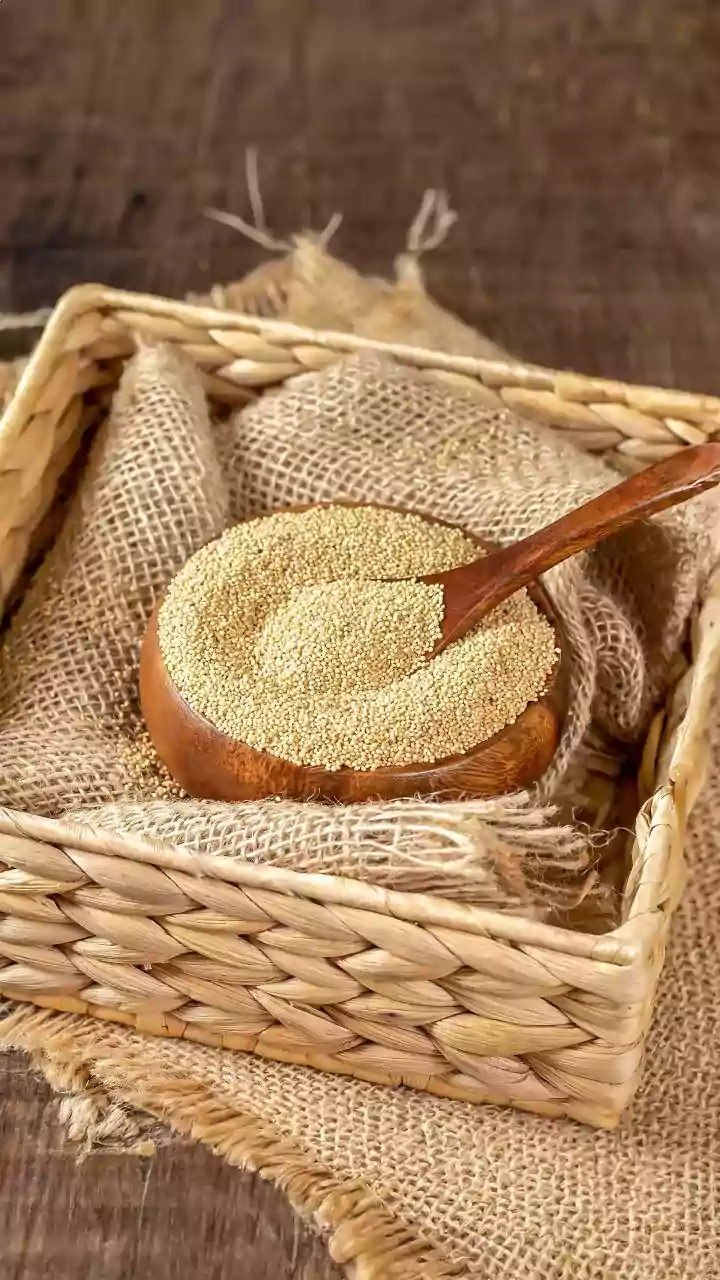
“Smarter” eating in today's India is a multifaceted trend that goes far beyond simply cutting calories. It’s about conscious, informed choices. One of the biggest drivers is a new obsession with protein. As fitness culture booms, young Indians are actively seeking to increase their protein intake, a nutrient often secondary in many traditional vegetarian diets. This has fueled a market for everything from protein bars and whey supplements to innovative plant-based meats. There’s also a powerful rediscovery of ancient Indian grains. Millets, once considered a humble, rural staple, are now celebrated as a gluten-free, high-fiber superfood, appearing in everything from breakfast porridge to “millet-crust” pizzas. Quinoa and avocado toast, once punchlines about Western hipsterism, are now standard fare in urban cafes. This isn’t about mimicry; it's about a generation using global information to solve local dietary puzzles. They want transparency in sourcing, clear nutritional labels, and options that fit a fast-paced, modern lifestyle, whether that means keto, vegan, or simply “clean.”
Fueled by Tech and a New Urgency
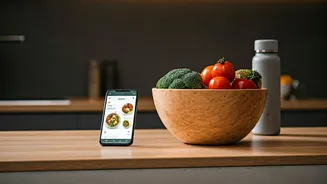
This dietary revolution couldn't happen without technology. India’s massive smartphone penetration and cheap data plans created the perfect incubator. Food delivery giants like Zomato and Swiggy are the primary conduits, not just for takeout, but for a new ecosystem of “cloud kitchens”—delivery-only restaurants. Hundreds of these virtual brands are dedicated solely to healthy eating, offering subscription plans for curated, calorie-counted meals delivered daily. Social media acts as the marketing engine. Instagram influencers—fitness trainers, nutritionists, and everyday food bloggers—have more sway over what a 25-year-old in Delhi eats than traditional family wisdom. The COVID-19 pandemic acted as a massive accelerant, creating a new, widespread urgency around immunity and metabolic health. Suddenly, what you ate wasn't just about weight, but about resilience, pushing millions of fence-sitters into the health-conscious camp.
An Urban, Aspirational Movement
It’s crucial to understand that this is, for now, a largely urban and middle-to-upper-class story. For hundreds of millions in rural India, food security and traditional sustenance remain the priority. But the choices of this aspirational, urban cohort are a powerful indicator of where the country is headed. This generation is the first to have grown up with significant disposable income, global exposure via the internet, and a Western-influenced view of wellness as a status symbol. Ordering a custom salad bowl is as much a statement of identity—of being modern, global, and in control—as it is a nutritional choice. It represents a break from the communal, family-centric eating patterns of the past toward a more individualistic approach to diet and health.