

1. The Rise of the Multifunctional Diwan
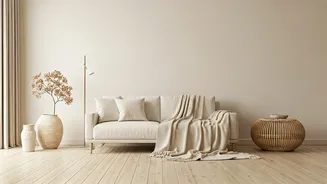
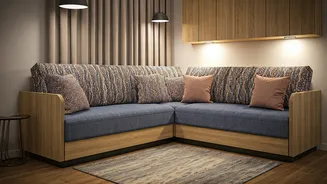
The classic diwan—a low, armless sofa—is the undisputed hero of modern Indian small-space design. In the past, it was a simple, elegant piece for lounging. Today’s designers are infusing it with intelligence. Imagine a sleek, minimalist diwan crafted
from sustainable mango wood, where the seat lifts to reveal deep storage for bedding and seasonal items. Others feature pull-out drawers or function as a guest bed, transforming a living room into a temporary bedroom without sacrificing style. This isn't just furniture; it's a hardworking centerpiece that honors tradition while serving the demands of a compact apartment.
2. Textiles as Architectural Elements
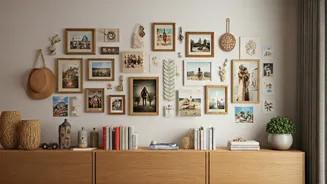
Heavy, ornate tapestries and curtains can make a small room feel claustrophobic. The smart approach for the coming years is to treat textiles as focused pieces of art rather than overwhelming decor. Instead of covering a wall in fabric, designers are championing a single, beautifully framed piece of block-printed cotton or a vibrant Kantha quilt hung like a painting. A lightweight, sheer sari curtain can divide a room without blocking light, creating zones in a studio apartment. This selective use of pattern and color adds warmth and cultural identity without visually shrinking the space.
3. A Lighter, Earthier Color Palette
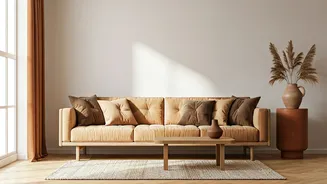
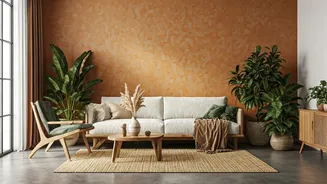
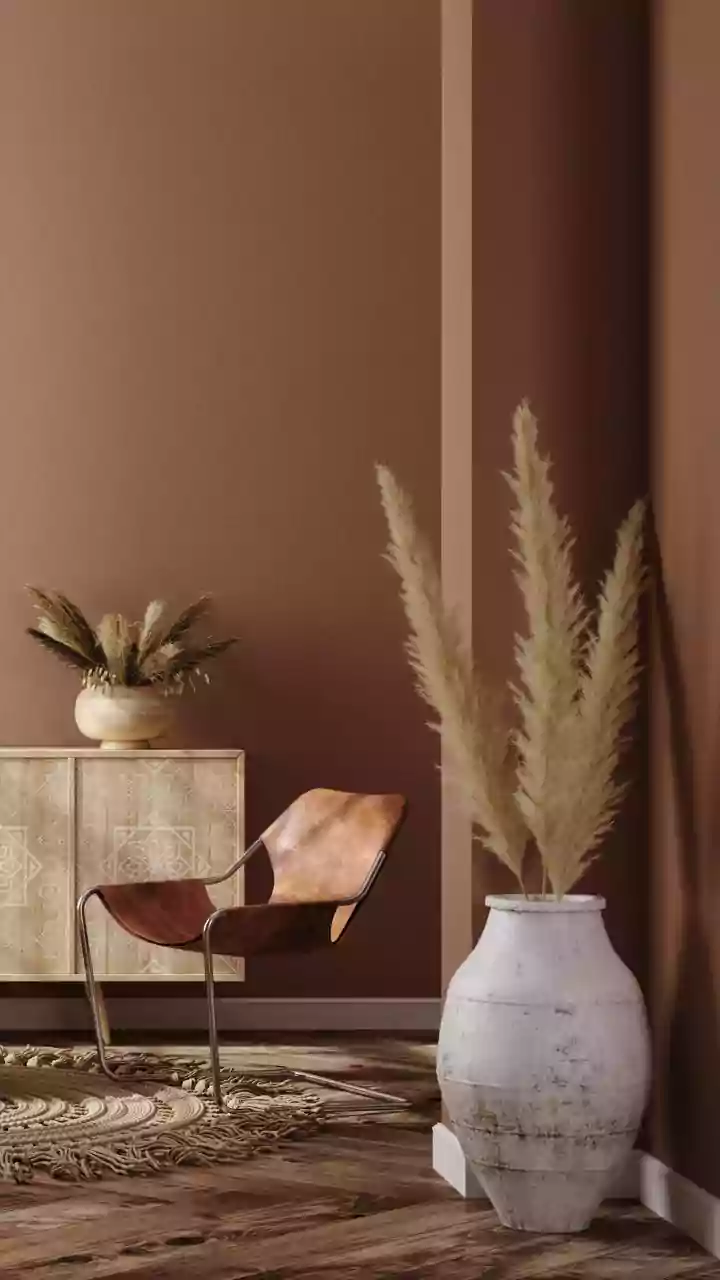
While deep jewel tones like sapphire, ruby, and emerald are hallmarks of traditional Indian interiors, they can absorb light and make small spaces feel smaller. The new aesthetic, which we’ll see solidify by 2026, leans into an airy, earthy base. Think walls painted in shades of terracotta, ochre, sand, and chai. The vibrant pops of color aren't gone; they're just used more strategically. A single turquoise cushion, a fuchsia throw, or a brightly painted miniature cabinet becomes a powerful focal point against a neutral backdrop, drawing the eye and adding personality without overwhelming the senses.
4. Strategic Metalwork for Light and Luxury
Brass has always been integral to Indian decor, from intricate urlis (decorative bowls) to statues of deities. In a small space, its reflective quality is its superpower. The modern approach uses brass and other metals not just for decoration, but for light manipulation. A thin-framed brass mirror can make a room feel larger and brighter. A cluster of small, hammered-brass pendant lights creates a warm, inviting glow without the bulk of a large chandelier. Even small touches like brass cabinet pulls or inlay work on a small table can add a layer of quiet luxury and bounce light around the room.
5. Verticality and the Modern Jharokha
When floor space is limited, the only way to go is up. This principle is being blended with the concept of the *jharokha*, a type of overhanging enclosed balcony or ornate window. In modern apartments, this translates to built-in wall niches. These arched or rectangular recesses serve as a perfect spot to display a single piece of art, a small sculpture, or a collection of cherished items, turning a flat wall into a feature with depth and character. Floating shelves made from reclaimed wood also provide storage and display space without a heavy footprint, keeping the floor clear and creating an illusion of spaciousness.
6. Natural Materials Take Center Stage
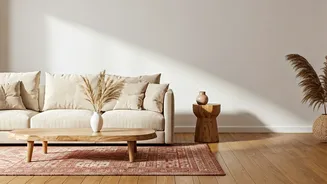
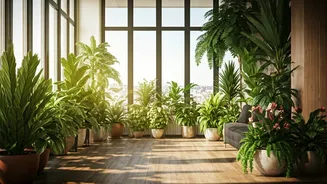
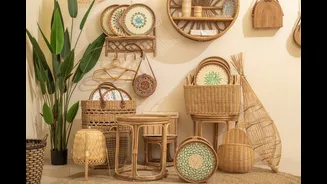
A connection to nature is central to Indian aesthetics, and this is becoming even more important in urban settings. The smart decor of the near future prioritizes sustainable and natural materials that add texture and warmth. Cane and rattan, once used for outdoor furniture, are now being crafted into elegant cabinet doors, headboards, and accent chairs that feel light and airy. Jute rugs and woven water hyacinth baskets provide organic texture underfoot and for storage. These materials not only align with a global push toward sustainability but also ground the space, making it feel calm and connected to the earth.