



What Exactly is Chaas?
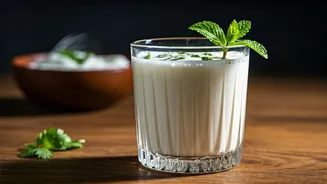
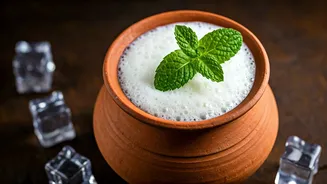
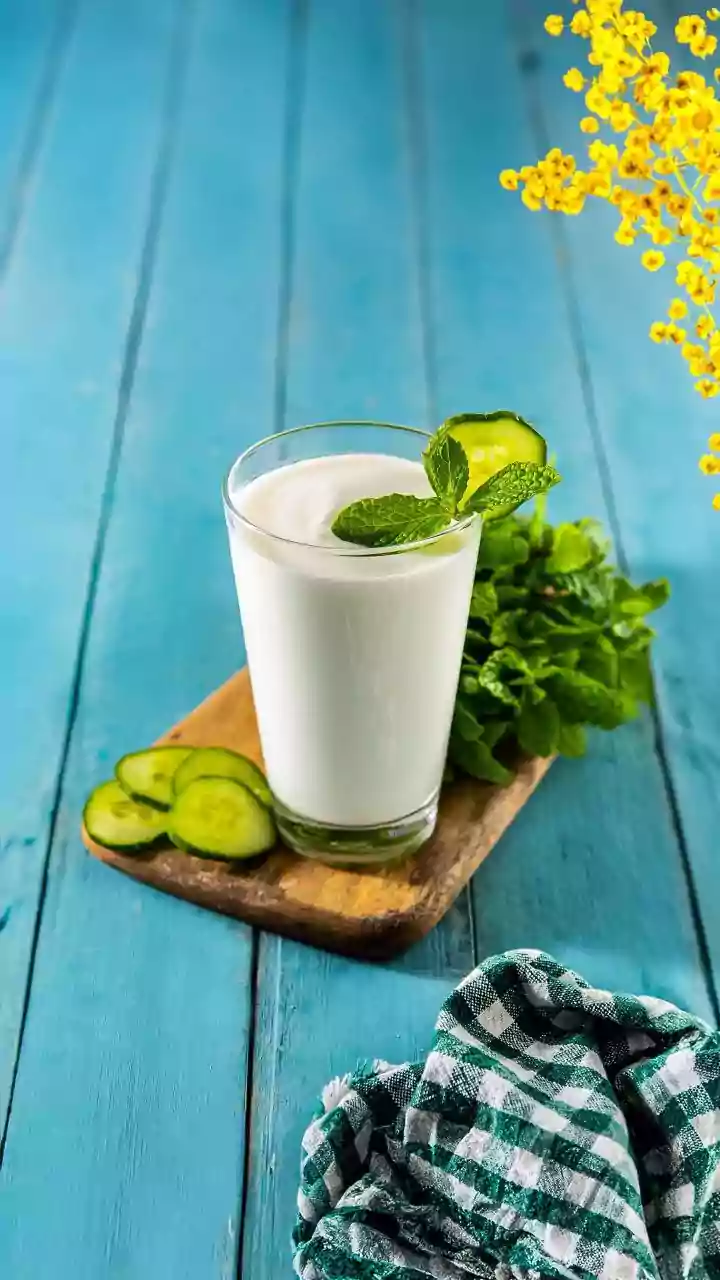
Forget the thick, sweet, smoothie-like drinks you might associate with yogurt. Chaas, also known as spiced buttermilk, is its lighter, savory, and more agile cousin. At its core, it’s a simple blend of yogurt and water, churned until it reaches a thin,
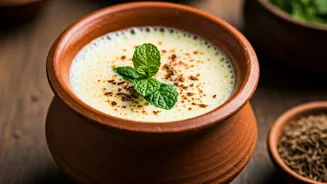
drinkable consistency, much like traditional buttermilk. But the magic lies in the spices. Aromatic ingredients like roasted cumin, fresh cilantro, minced ginger, and a pinch of black salt transform it from a plain dairy drink into a complex and deeply satisfying quencher. It’s a staple in many Indian households, often served alongside or after a meal to cleanse the palate and aid digestion. Unlike a heavy milkshake, Chaas is designed to be light on the stomach, making you feel revitalized, not weighed down.
The 'Cooling' Effect Explained
The “cooling” in the headline isn't just about a low temperature. While Chaas is served chilled, its cooling properties are rooted in Ayurvedic principles. According to this ancient Indian system of medicine, certain foods have an inherent cooling effect on the body, helping to balance internal heat, especially during hot weather. Ingredients like yogurt and mint, often used in Chaas, are considered to have these properties. So while a sugary, ice-filled soda might provide a temporary jolt of cold, it can sometimes lead to a subsequent energy crash. Chaas, on the other hand, is believed to provide a more sustained, gentle cooling from the inside out, helping to pacify the digestive system and rehydrate the body without the shock of extreme cold.
A Gut-Friendly Powerhouse
The benefits of Chaas go far beyond simple refreshment. It's a natural source of probiotics, the beneficial bacteria that support a healthy gut microbiome. The fermentation process in yogurt creates these live cultures, which can help improve digestion and fortify your gut lining. Furthermore, the spices traditionally used in Chaas are digestive aids in their own right. Ginger is well-known for its ability to soothe an upset stomach, while cumin is believed to stimulate digestive enzymes. A pinch of asafoetida (hing), another common ingredient, is used to combat gas and bloating. When combined, these elements make Chaas an excellent post-meal beverage to help your body process food more efficiently and comfortably.
Chaas vs. Lassi: An Important Distinction
For many Americans, the most familiar Indian yogurt drink is lassi. It’s important to understand that Chaas and lassi serve very different purposes. Lassi is typically thick, rich, and often sweet, blended with fruit like mango or sweetened with sugar. It's more of a dessert, a treat, or a filling snack—a delicious drinkable meal in itself. Chaas is the opposite. It is always thin, light, and predominantly savory. While lassi is a luxurious indulgence, Chaas is a functional, everyday digestive. Think of it this way: lassi is the decadent milkshake you have on a special occasion, while Chaas is the smart, hydrating electrolyte drink you sip to feel good every day.
How to Make Your Own Simple Chaas
You don't need to visit an Indian restaurant to enjoy Chaas; it’s incredibly easy to make at home. The basic recipe is forgiving and can be adjusted to your taste.
Start with the basics: In a blender or a large bowl, combine one part plain, unsweetened yogurt (full-fat or low-fat both work) with two to three parts cold water. The more water you add, the thinner the drink will be. Add a pinch of salt (black salt, or *kala namak*, if you can find it, adds a unique sulfuric tang) and blend until smooth and slightly frothy.
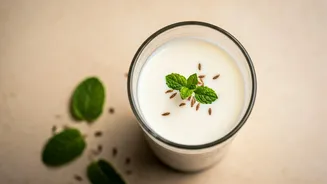
To spice it up: Add about a half-teaspoon of roasted cumin powder—you can make this by toasting cumin seeds in a dry pan until fragrant and grinding them. For extra flavor and digestive benefits, toss in a small piece of fresh ginger, a few fresh mint leaves, or a handful of cilantro before blending. Taste and adjust the salt and spices as needed. Serve immediately in a tall glass, garnished with a final sprinkle of cumin or a fresh mint leaf.