

Beyond the Side Dish
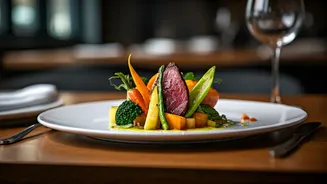
For decades, the American dinner plate has followed a predictable script: a large piece of animal protein sits center stage, flanked by a starch and a vegetable. Legumes, if they appeared at all, were usually relegated to a supporting role—a scoop of three-bean
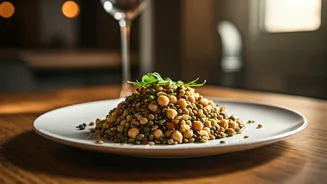
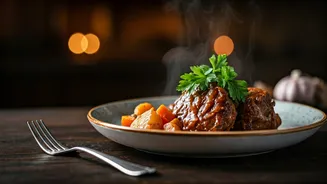
salad at a potluck, a base for chili, or puréed into a dip. But a significant shift is underway. In buzzy bistros and neighborhood cafes across the country, chefs are reimagining the possibilities of beans, lentils, and chickpeas. They are no longer filler but the feature. We're seeing hearty cassoulets with heritage beans, crispy chickpea 'steaks' with savory sauces, and elegant lentil dishes layered with complex spices and textures. This isn't about simply removing the meat; it's about building a delicious, satisfying, and complete dish where the legume is the undeniable star.
A Perfect Storm for the Humble Bean
So, why now? The rise of the legume is driven by a confluence of powerful cultural and economic forces. First, there's the economic reality. As grocery and restaurant costs continue to climb, both chefs and home cooks are looking for affordable, high-quality sources of protein. Legumes are a budget-friendly powerhouse of nutrition. Second, the plant-based movement has gone mainstream. More Americans are actively trying to eat less meat for health and environmental reasons. Legumes offer a sustainable, fiber-rich, and incredibly versatile alternative that satisfies without the heavy feeling of a meat-centric meal. Finally, there's a growing appreciation for global cuisines where legumes have always been central. Chefs are drawing inspiration from Mediterranean, Indian, Middle Eastern, and Latin American traditions, introducing diners to the sophisticated flavors and techniques that have celebrated beans and lentils for centuries.
The Chef's New Canvas
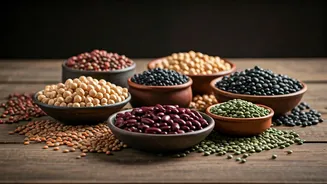
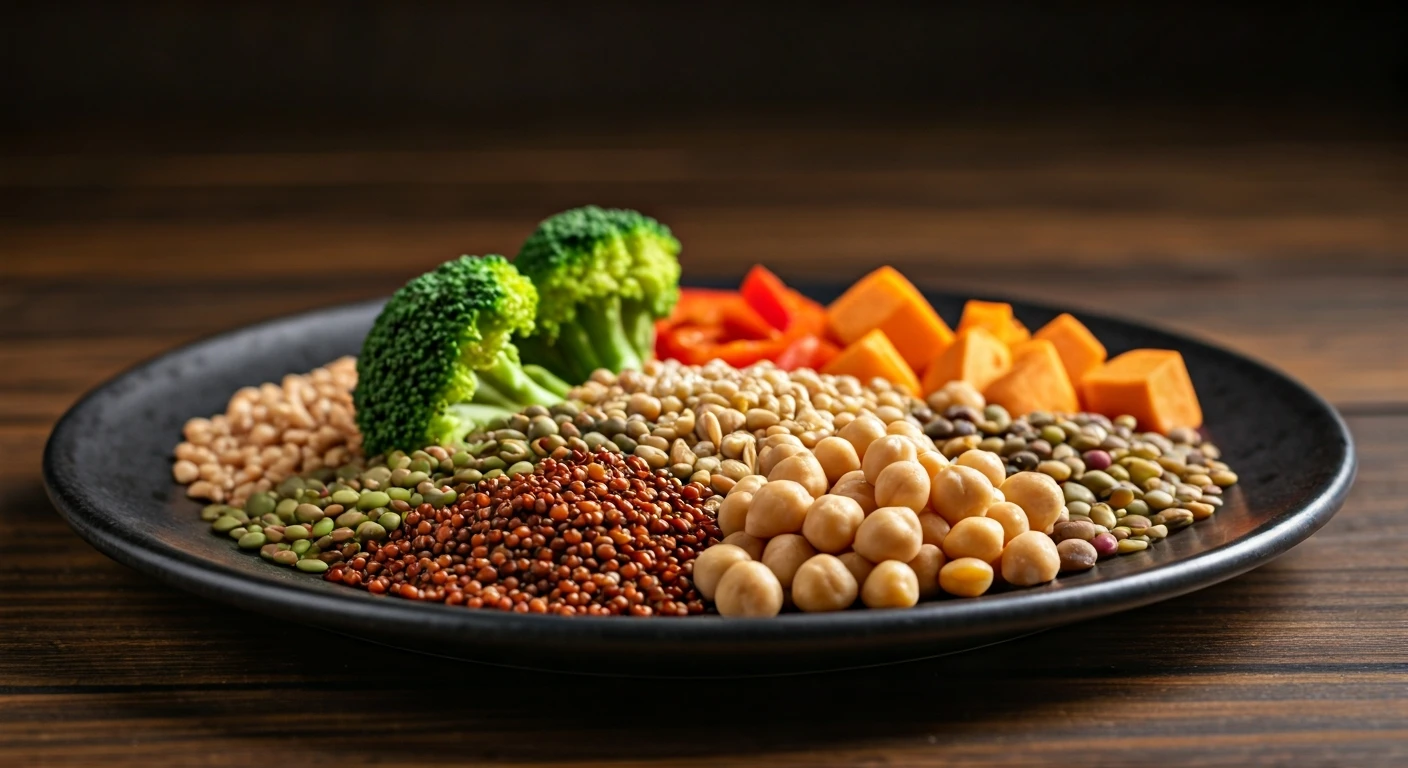
For creative chefs, legumes are a blank canvas with endless potential. The focus has shifted from the generic canned bean to a wide world of heirloom varieties, each with its own unique flavor, texture, and color. You might find a creamy, buttery Corona bean served with olive oil and herbs, a firm and nutty French lentil as the base for a warm salad, or a tiny, caviar-like Beluga lentil adding elegance to a seafood dish. Chefs are treating these ingredients with the same reverence once reserved for prime cuts of beef or rare fish. They're using advanced techniques—crisping, frying, braising, and puréeing—to coax out surprising new dimensions. Think of gigante beans slow-cooked in a savory tomato broth until they are impossibly creamy, or black bean burgers so well-crafted they satisfy even the most ardent carnivore. It’s a culinary glow-up that proves that with enough skill and imagination, even the most modest ingredient can be extraordinary.
Bringing the Trend Home
This movement isn't confined to restaurant kitchens. The renewed interest in legumes has made it easier than ever for home cooks to experiment. Specialty food purveyors are offering a dazzling array of dried heirloom beans online, while even local supermarkets have expanded their selections beyond the basic pinto and kidney. High-quality canned beans from brands that prioritize flavor and texture are also gaining popularity, offering a convenient shortcut to a delicious meal. The lesson from the pros is to stop thinking of beans as just an ingredient *in* something, and start thinking of them as the *thing* itself. Try making a big pot of flavorful beans at the start of the week. You can toss them with a bright vinaigrette for a lunch salad, mash them onto toast with a drizzle of good olive oil, or serve them warm with a fried egg on top for a simple, satisfying dinner.