





A Bridge Taller Than The Eiffel Tower
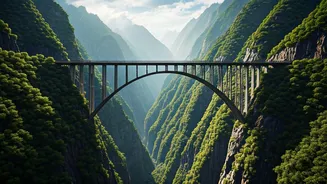
The centerpiece of the new Udhampur-Srinagar-Baramulla Rail Link (USBRL) is the Chenab Rail Bridge, an astonishing feat of engineering. Standing 1,178 feet above the riverbed, it is the highest single-arch railway bridge in the world—surpassing the height
of the Eiffel Tower by over 100 feet. Constructed from 28,000 tons of steel, it's designed to withstand extreme winds, high-magnitude earthquakes, and the harsh Himalayan climate. The bridge spans a deep, treacherous gorge, a challenge that engineers had to overcome with cutting-edge construction techniques, including using helicopters and one of the world's longest cable cranes. This single structure represents the sheer ambition of the project: to conquer geography that was once considered impassable by rail.
Connecting an Isolated Valley
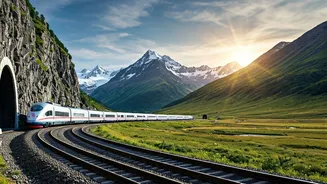
For decades, the Kashmir Valley has been physically and psychologically isolated from the rest of India for much of the year. The primary land route, the Jammu-Srinagar National Highway, is a winding, precarious road that is frequently shut down for days or weeks at a time by heavy snowfall, landslides, and avalanches in winter. This unreliability cripples the region's economy, disrupts supply chains for essential goods like food and medicine, and makes travel a dangerous gamble for residents. The new railway provides, for the first time, a dependable, all-weather alternative. It cuts through the Pir Panjal mountain range with a series of long tunnels and high bridges, creating a reliable 'lifeline' that will keep the valley connected regardless of the season. The journey time between major points will be slashed by more than half, turning a grueling all-day road trip into a few hours by train.
More Than Just a Train
While the project has immense practical benefits, its strategic importance cannot be overstated. The Kashmir region has been a flashpoint between India and Pakistan since 1947, with both nations claiming it in full but ruling it in part. For the Indian government, physically integrating Kashmir more tightly with the rest of the country is a core national security and political objective. This railway is a powerful symbol of that intent. It facilitates faster movement of military personnel and equipment to a sensitive border area. Politically, it's a statement of development and permanence, aimed at bolstering India's claim and fostering a sense of national unity. By investing billions into conquering the terrain, Delhi is signaling that its commitment to the region is literally set in steel and concrete.
The Impact on Daily Life
Beyond geopolitics, the railway is set to be a game-changer for the people of Kashmir. The influx of reliable, year-round transport is expected to boost the region's beleaguered economy. Farmers can get their famous apples, saffron, and other produce to markets across India without fearing spoilage on a blocked highway. Tourism, a vital source of income, could see a significant surge as travel becomes safer and more accessible. For students seeking education and patients needing specialized medical care outside the valley, the train offers a lifeline of opportunity and health. The recently inaugurated 30-mile electric train service on a new section of the line is the first taste of this new reality, offering residents a modern, efficient mode of transport that was previously unimaginable in their mountainous homeland.