

Beyond the Usual Probiotics
For years, the U.S. wellness aisle has been dominated by a familiar cast of characters: tangy kombucha, spicy kimchi, and artisanal sourdough. We’ve been told to feed our gut microbiome with these fermented heroes to improve digestion, boost immunity,
and even enhance our mood. But as the market for gut-friendly products continues to boom, a culinary shift is underway. The next frontier in digestive wellness isn’t a new lab-grown supplement; it’s a vibrant, centuries-old tradition from the Indian subcontinent. From the tangy, yogurt-based drink lassi to the fluffy, fermented goodness of idli and dosa, Desi (a term for the people and cultures of India, Pakistan, and Bangladesh) cuisine has always been intrinsically gut-friendly. What’s new is the packaging and the narrative. A new generation of South Asian American entrepreneurs is reclaiming their culinary heritage, reframing it for a modern wellness audience, and proving that the path to a happy gut might just run through their grandmother’s kitchen.
The Original Gut-Health Kitchen
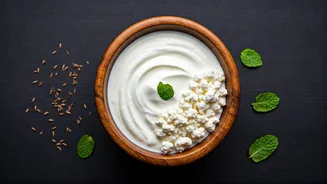
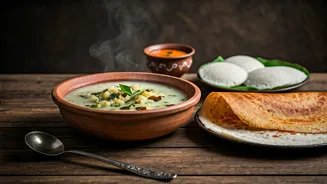
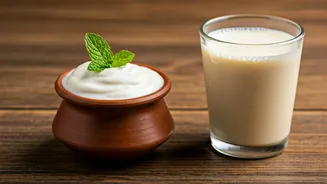
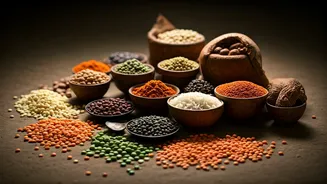
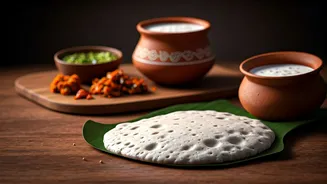
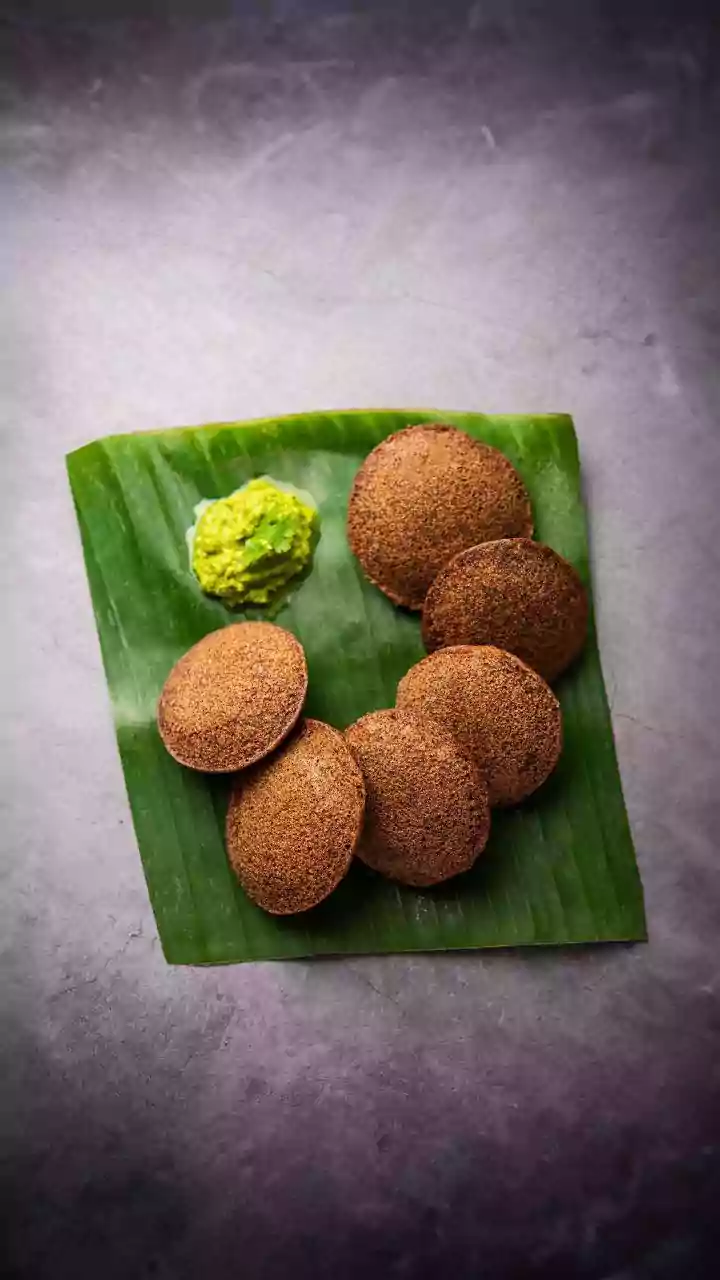
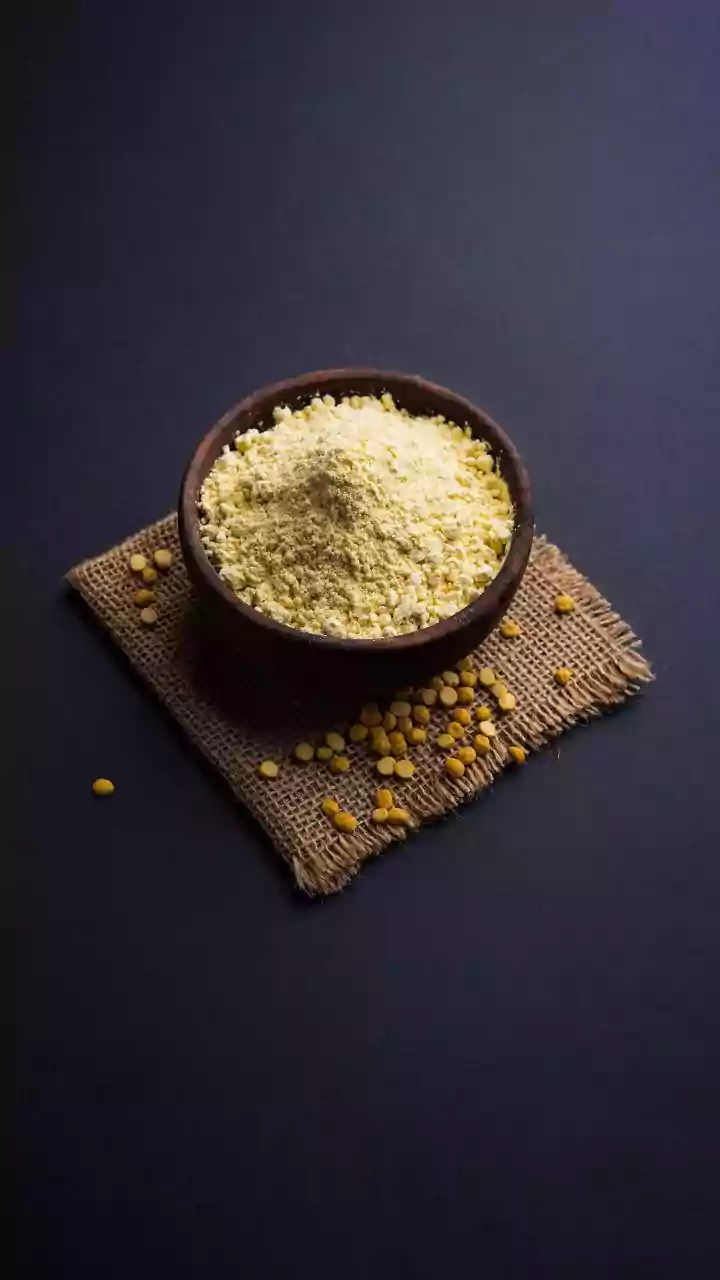
Long before “probiotic” was a buzzword, South Asian households were mastering the art of fermentation and using spices for their digestive benefits. The foundation of this gut-friendly approach lies in several key areas. First is the widespread use of dahi (yogurt). It’s not just a side dish; it’s the base for cooling raitas, refreshing lassis and chaas (buttermilk), and countless marinades. These are natural sources of live and active cultures. Then there’s the world of fermented batters. South Indian staples like dosa (a savory crêpe) and idli (a steamed cake) are made from a batter of rice and lentils that is left to ferment overnight. This process not only creates their signature light texture and tangy flavor but also pre-digests some of the starches, making them easier on the stomach and increasing the bioavailability of nutrients. Spices, too, play a crucial role. Turmeric is celebrated for its anti-inflammatory properties, ginger is a classic remedy for nausea, and cumin and fennel seeds are traditionally chewed after meals to aid digestion. This isn't a fad; it's a holistic food philosophy honed over millennia.
The Second-Generation Rebrand
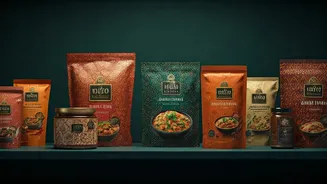
The “upgrade” isn’t in the food itself, but in its presentation. Second-generation immigrants are launching brands that bridge the gap between authentic tradition and modern consumer demands. You can now find beautifully packaged, low-sugar mango lassis marketed as “probiotic smoothies.” Artisanal companies are selling fresh paneer (a type of cheese) highlighting its high protein and natural fats, a world away from the rubbery blocks in specialty stores. Brands are creating ready-to-use dosa and idli batters, explicitly calling out “fermented” and “gut-friendly” on the label for an audience that understands the value of those terms. This is more than just savvy marketing. For many of these founders, it’s a deeply personal mission. It’s about taking the foods that may have been a source of school lunchroom embarrassment and turning them into a point of pride. They are translating the inherent wisdom of their culture into a language—wellness, clean ingredients, convenience—that resonates with today’s American consumer, including fellow diaspora kids eager to reconnect with their roots.
A Celebration of Flavor and Function
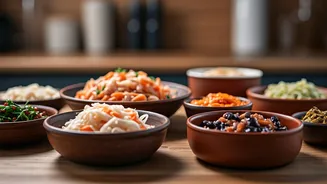
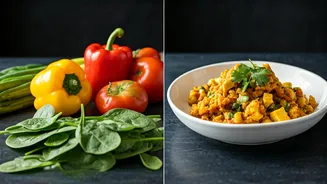
What makes this trend so compelling is that it doesn’t ask consumers to sacrifice flavor for function. Unlike choking down a bland fiber supplement, this approach to gut health is a feast for the senses. It’s the complex spice of a vegetable curry, the cooling comfort of a cucumber raita, and the satisfying tang of a freshly made dosa. This movement rejects the sterile, often restrictive, nature of modern diet culture and instead invites a joyful, inclusive, and delicious form of well-being. By spotlighting the digestive benefits of Desi food, these brands and influencers are also correcting a common misconception in the West that often reduces Indian food to just heavy, restaurant-style curries. They are showcasing the lighter, fresher, and deeply nourishing side of home-style cooking that has sustained millions for centuries. It's a powerful reminder that sometimes the most innovative health trends are the ones that have been with us all along, just waiting to be rediscovered.