





The Perfect Storm for Germs
First, let’s talk about the weather. Monsoon season isn’t just rain; it’s a blanket of heat and humidity that settles over everything. For humans, it’s sticky and uncomfortable. For bacteria, it’s paradise. Think of the warm, damp air as a luxury resort
for microbes like E. coli, Salmonella, and Listeria. These pathogens thrive in temperatures between 40°F and 140°F—a range easily met and exceeded on a humid afternoon. The moisture in the air doesn't just make things feel muggy; it provides the water that bacteria need to multiply at an exponential rate. An uncovered bowl of food left out in these conditions is not just sitting there; it's actively hosting a rapidly growing party of unwelcome microscopic guests.
Why Chutneys Are a Prime Target
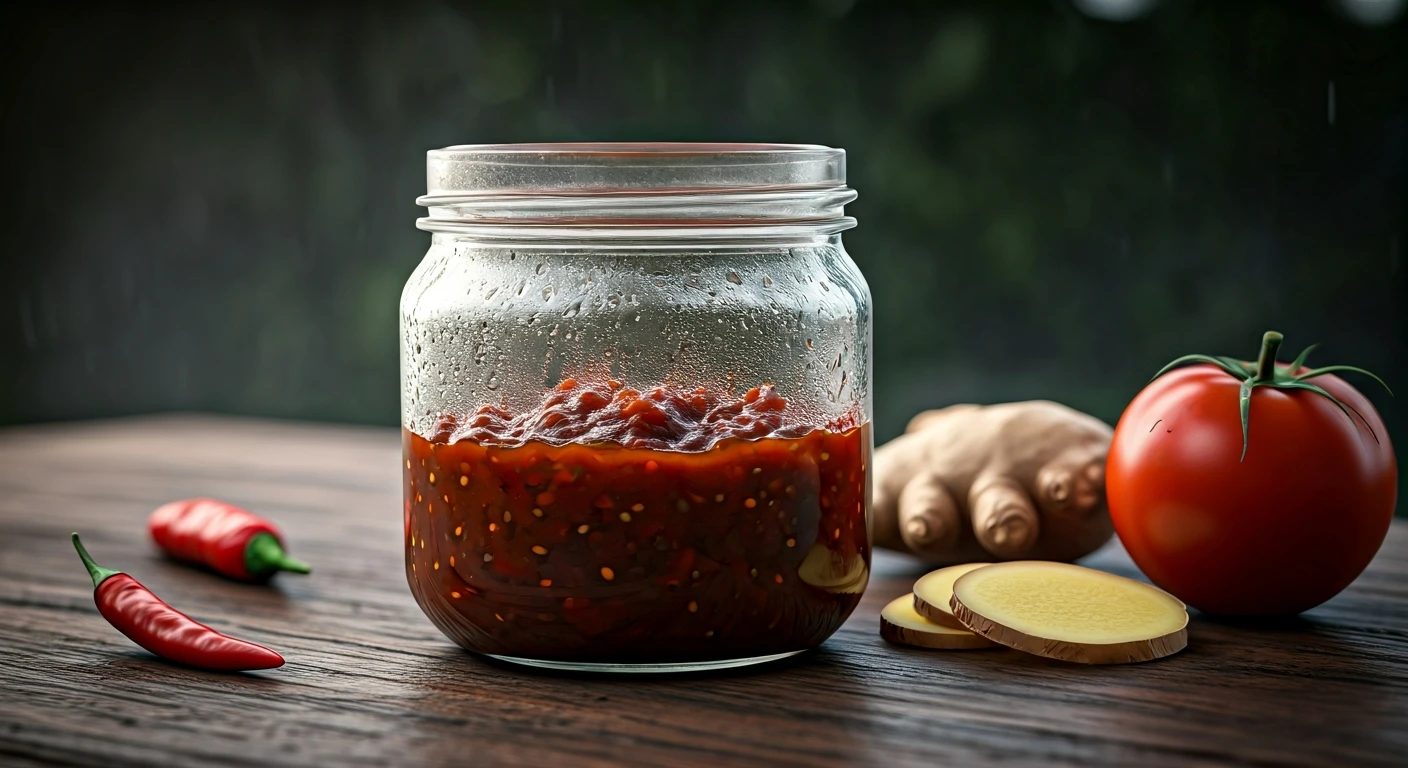
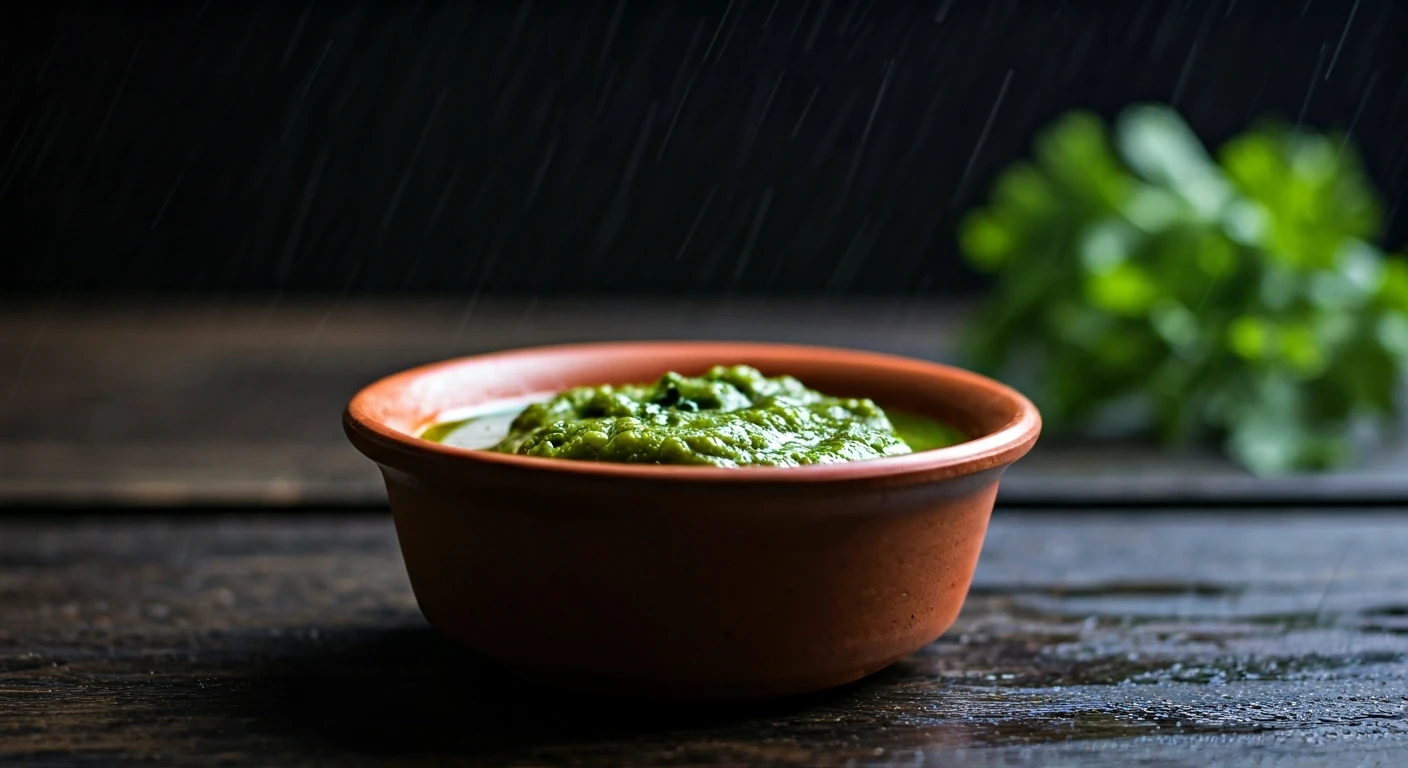
So why single out chutneys? It comes down to their composition. Many popular chutneys, like mint-coriander or tamarind, are water-based and often made with raw, uncooked ingredients. Unlike a deep-fried samosa, which is cooked at a temperature high enough to kill most pathogens, the ingredients in chutney are simply blended. This means any bacteria present on the raw herbs, spices, or in the water used to make it are still there. The high water content creates the perfect liquid medium for these germs to swim around and multiply. Furthermore, while some chutneys are acidic due to tamarind or lemon juice, which can inhibit some bacterial growth, many also contain sugar—a perfect food source for yeast and bacteria. An uncovered bowl is also a magnet for flies, which are notorious carriers of disease, transferring filth to food with every landing.
The 'Gut Gamble' Explained
This is where the headline's 'gut gamble' comes in. Consuming food contaminated with these pathogens can lead to a host of unpleasant gastrointestinal issues, collectively known as food poisoning or, more technically, gastroenteritis. Symptoms can range from mild discomfort, cramping, and diarrhea to more severe cases involving vomiting, fever, and dehydration that require medical attention. During the monsoon, hospitals often report a spike in cases of water-borne and food-borne diseases like typhoid, cholera, and dysentery. That innocent-looking spoonful of green chutney might be the highlight of your snack, but if it's been sitting out, it could also be a ticket to spending the next few days feeling absolutely miserable. It's a game of chance where the stakes are your own health and well-being.
A Lesson for Every Food Lover
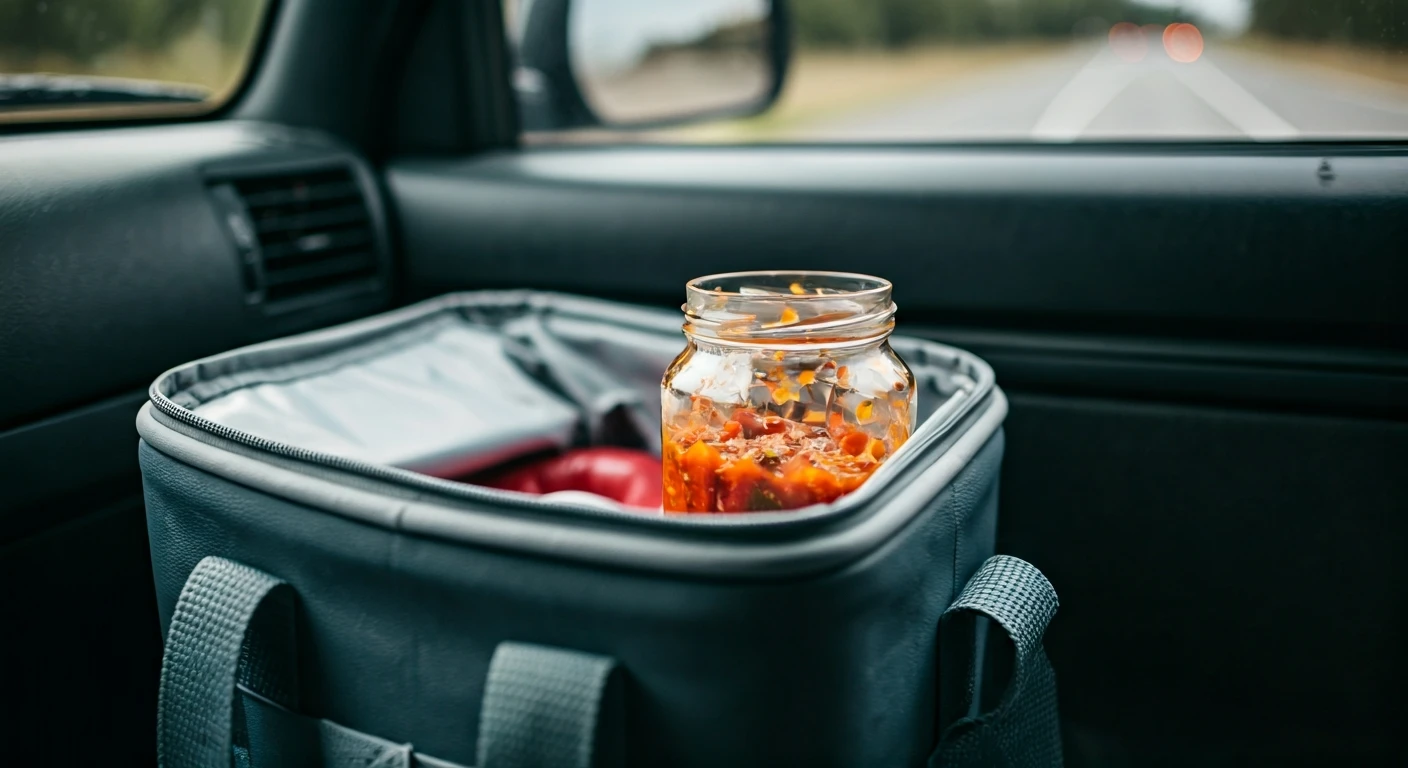
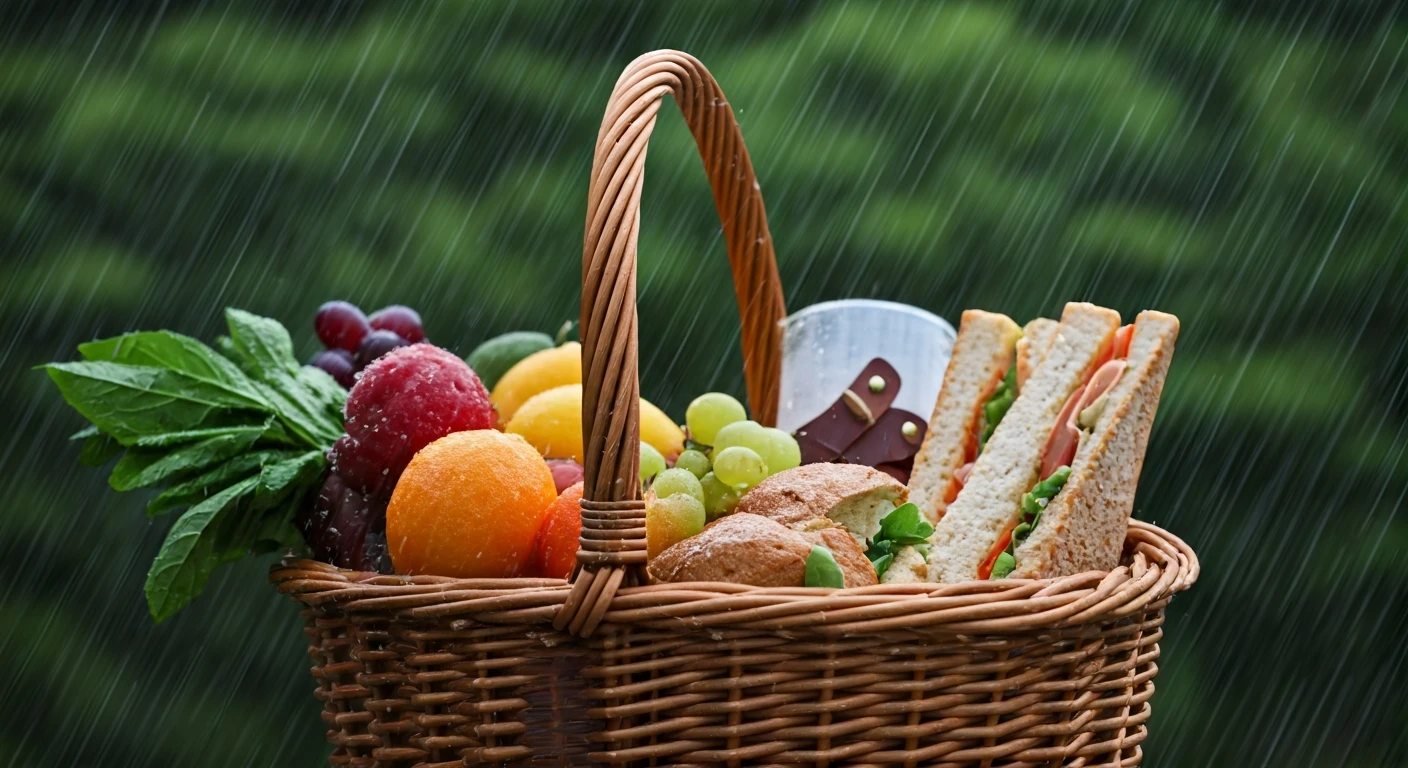
While the monsoon context is specific, the lesson is universal. This isn't about fearing street food, which is often a vibrant and essential part of a culture's culinary identity. It's about food intelligence. The same principles apply to a summer barbecue in Ohio or a potluck in California. Is the potato salad with its mayonnaise base sitting out in the sun? Are the dips and sauces covered to protect them from insects and airborne contaminants? Food safety is all about managing risk by controlling temperature and exposure. The rule of thumb is simple: hot foods should be kept hot (above 140°F) and cold foods kept cold (below 40°F). Anything left lingering in the 'danger zone' for more than a couple of hours becomes a gamble, regardless of the continent you're on.