





The Dawn of the Pavement Pats
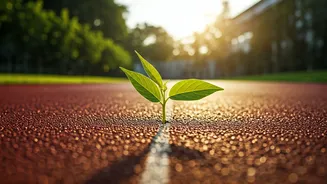
Just a decade ago, recreational long-distance running was a niche activity in India, reserved for elite athletes or a handful of eccentrics. Today, it’s a full-blown cultural phenomenon. In major metropolitan hubs like Delhi, Mumbai, and Bengaluru, parks
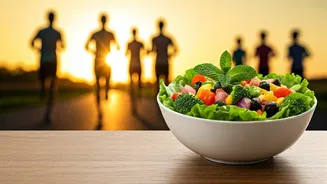
and waterfronts are flooded with running groups before the city's notorious traffic chokes the streets. These aren't just loose collections of joggers; they are organized communities with names, WhatsApp groups, matching t-shirts, and structured training plans. The boom in marathons and half-marathons, which saw participation numbers skyrocket in the years before 2020 and are now rebounding, created the initial spark. But what keeps the fire going is the community. Running in a group provides motivation, safety, and, crucially, a powerful social identity for a growing urban middle class with disposable income and a new-found focus on personal health.
From Shared Miles to Shared Meals
The real story unfolds after the run. As sweaty, triumphant runners gather for post-workout stretches and chai, the conversation inevitably turns to fuel. What did you eat last night? Are you carbo-loading for the big race? Have you tried that new protein powder? This social reinforcement is where the fitness trend transforms into a consumer movement. The shared goal of running a faster 10K or finishing a marathon creates a powerful in-group effect. Recommendations from a trusted running buddy carry more weight than any advertisement. This peer-to-peer influence has created a hyper-specific consumer demographic: active, informed urbanites who are suddenly scrutinizing food labels and seeking out nutrition that supports their lifestyle. They aren't just dieting; they're performance-tuning their bodies, and they're doing it together.
The New Indian Pantry
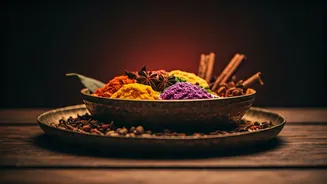
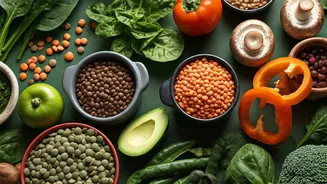
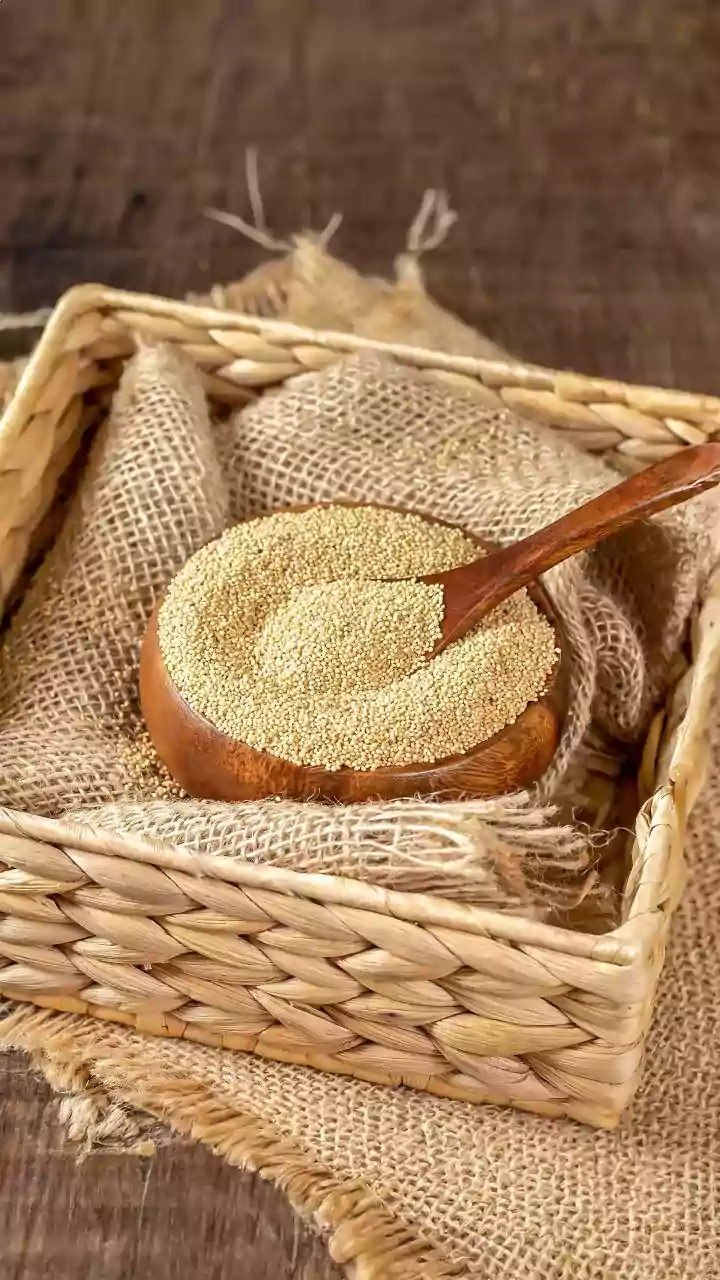
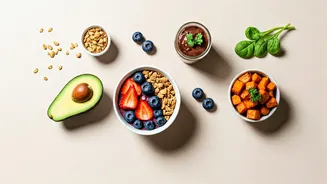
So, what does this new “wellness food” look like? It's a fascinating blend of global trends and Indian tradition. While protein bars, whey supplements, and quinoa have found a firm footing, the real innovation is happening with local ingredients. Startups are reimagining ancient Indian superfoods for the modern runner. Ragi (finger millet), once considered a humble rural staple, is now the hero ingredient in high-protein pancake mixes and breakfast cereals. Muesli and granola are being packed with roasted Makhana (fox nuts). Turmeric, a pillar of Indian cooking, is being marketed in lattes and recovery drinks for its anti-inflammatory properties. The focus isn't on replacing the Indian diet but on optimizing it. It’s less about salads and smoothies and more about convenient, packaged versions of healthy, traditional foods that fit into a busy, fitness-oriented life. Cold-pressed juice companies and healthy meal-delivery services now specifically market “marathon prep” packages to these running communities.
Startups Race to the Finish Line
This shift in consumer behavior has created a gold rush for entrepreneurs. A wave of new food startups, often founded by runners themselves, has emerged to cater directly to this market. Brands like The Whole Truth, which champions clean-label protein bars, and Slurrp Farm, focusing on millet-based products, have gained cult followings. They use social media to speak the language of their customers, sponsoring running events and collaborating with fitness influencers. They aren't just selling products; they're selling an identity that aligns perfectly with the aspirations of the urban runner. This isn't just a niche market anymore. Major legacy food companies are taking notice, either acquiring these nimble startups or launching their own health-focused product lines to compete. The group run, an act of simple community and movement, has inadvertently become a powerful engine of economic change, carving out a multi-billion dollar wellness food category that is redefining how India eats.