



Lantana: The Unstoppable Bloomer
If you want a plant that seems to laugh in the face of a heatwave, look no further than lantana. This powerhouse producer offers clusters of small, vibrant flowers that often change color as they age, creating a beautiful multicolored effect on a single
plant. Available in trailing and upright varieties, it’s perfect for spilling over the edge of a pot or filling out a container with bushy foliage. Lantanas are famously drought-tolerant once established and attract butterflies and hummingbirds, adding life and movement to your balcony. They thrive in six or more hours of direct sun and prefer their soil to dry out between waterings, making them a forgiving choice for busy or forgetful gardeners.
Portulaca (Moss Rose): The Succulent Groundcover
For a carpet of brilliant, jewel-toned color, portulaca is a must-have. Also known as moss rose, this low-growing succulent features fleshy leaves and rose-like flowers in shades of hot pink, yellow, orange, and white that open in the sunshine. Because its leaves store water, it’s incredibly resilient against drought and heat, making it ideal for the hottest, most exposed parts of your balcony. It works beautifully as a “spiller” in mixed containers, trailing over the sides. The only thing it demands is full sun and well-draining soil; it actively dislikes being overwatered. It’s a true set-it-and-forget-it annual that rewards you with a stunning display all summer long.
Bougainvillea: The Tropical Showstopper
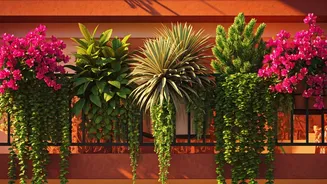
Nothing says “sun-drenched paradise” quite like bougainvillea. Known for its breathtaking display of paper-like bracts (the colorful leaves that surround the tiny white flowers), this vining plant can be trained up a trellis or allowed to cascade dramatically from a hanging basket. It adores heat and thrives in conditions that would scorch more delicate plants. To get the best bloom, give it as much direct sun as possible and keep it on the dry side—bougainvillea flowers best when its roots are slightly pot-bound and its soil isn't consistently moist. It brings a touch of the Mediterranean or tropics to any American balcony, offering architectural structure and an explosion of long-lasting color.
Zinnia: The Cheerful Cutting Flower
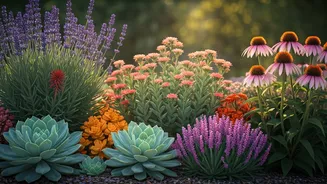
For a classic, cottage-garden feel, zinnias are an unbeatable choice. They are incredibly easy to grow from seed, come in nearly every color imaginable, and stand up remarkably well to heat and sun. Dwarf varieties like the 'Profusion' or 'Zahara' series are perfectly suited for containers, offering a non-stop parade of daisy-like flowers from early summer until the first frost. They aren't picky about soil and, while they appreciate consistent watering, can tolerate short dry spells. As a bonus, they make excellent cutting flowers, so you can bring the beauty of your balcony garden indoors.
Pentas: The Pollinator Magnet
Often called Egyptian starcluster, pentas are prized for their dense, star-shaped flower clusters that bloom continuously through the hottest months. These plants are a favorite of butterflies and hummingbirds, turning your balcony into a lively ecosystem. Pentas are exceptionally heat-tolerant and perform best in full to partial sun. They have a neat, mounding habit that works well in pots on their own or as a taller “thriller” element in a mixed arrangement. While they prefer consistent moisture, they won’t wilt at the first sign of a dry afternoon. Their rich green foliage provides a lush backdrop for the red, pink, lavender, or white flowers.
Key Tips for Hot Balcony Success
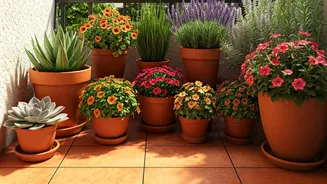
Choosing the right plants is half the battle. The other half is creating the right environment. First, consider your containers. Light-colored pots will absorb less heat than dark ones, keeping roots cooler. Terracotta is porous and dries out quickly, which many of these plants prefer, but plastic or glazed ceramic pots retain moisture longer. Second, water deeply but less frequently. A thorough soaking that reaches the bottom of the pot encourages deep root growth, making plants more resilient. Always check if the top inch or two of soil is dry before watering again. Finally, use a high-quality potting mix designed for containers; it will provide the right balance of drainage and aeration.