







Become a Tactical Weather Watcher
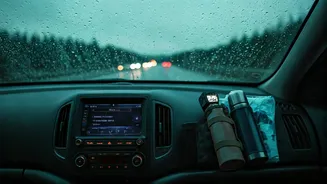
The “brains” part of a rainy road trip starts before you even leave. Don’t just glance at the forecast; interrogate it. Use reliable weather apps (like those from NOAA or The Weather Channel) to look at the hourly and radar predictions for your entire
route. Are you facing a passing afternoon shower or a three-day deluge? Knowing the difference helps you decide whether to power through, delay your start, or reroute entirely. This isn’t about avoiding all rain, but understanding its timing and intensity. A little strategic planning can be the difference between a minor inconvenience and a major trip-ruiner.
Prep Your Car for a Downpour
Your vehicle is your primary shelter on a road trip, so treat it like one. Before you go, ensure your car is rain-ready. This is non-negotiable. Check your tire tread and pressure; worn tires are a serious hazard on wet roads, significantly increasing braking distances and the risk of hydroplaning. Test your windshield wipers and top off your wiper fluid—streaky, ineffective blades are a nightmare in a storm. Finally, make sure your headlights, taillights, and brake lights are all working. In heavy rain, visibility drops for everyone, and being seen is just as important as seeing.
Build a Digital and Analog 'Go-Bag'
Your backup plan lives in your go-bag. On the digital side, pre-load your phone with apps that help you pivot. Download offline maps for areas where you might lose service. Use apps like Roadside America or Atlas Obscura to find quirky indoor attractions—think giant balls of twine or niche museums—that are often more memorable than the planned stop. On the analog side, pack a dedicated 'rainy day' kit. This could include a deck of cards, a travel board game, a riveting book, or a downloaded queue of podcasts and audiobooks. When you're stuck in a motel waiting out a storm, you’ll be glad you have entertainment that doesn’t rely on spotty Wi-Fi.
Embrace the 'Cozy Detour'
Sometimes the best move is to lean into the rain. Instead of lamenting the canceled hike, reframe the day around finding the perfect 'cozy detour.' This is your chance to explore the small-town fabric you'd normally drive right past. Hunt down the best local coffee shop and spend a few hours reading. Find a beloved local diner and have a long, unhurried lunch. Check out an independent bookstore or a small-town movie theater showing a single film. These unplanned stops often become the most cherished memories of a trip, providing a genuine sense of place that a packed, minute-by-minute itinerary can't deliver.
Pack Gear for the Pivot
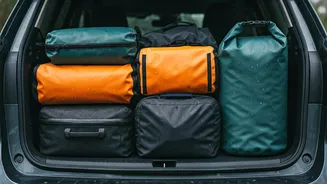
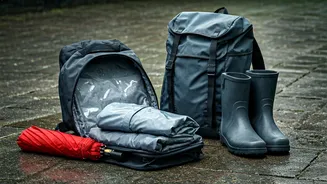
Smart packing for a potentially rainy trip goes beyond a single umbrella. Think in layers. A waterproof outer shell is essential, but so are quick-drying fabrics (like merino wool or synthetics) for your base layers. Cotton gets wet and stays wet, leaving you cold and miserable. Bring at least two pairs of shoes so one can dry while you wear the other; walking around in damp sneakers is a guaranteed mood killer. A few extra pairs of wool socks are worth their weight in gold. Also consider waterproof bags or cases for your electronics and a few absorbent microfiber towels for quick cleanups inside the car or on your gear.
Adjust Your Driving, Not Just Your Plans
Finally, the most critical piece of intelligence is knowing how to drive safely in bad weather. The number one rule: slow down. Your car needs more distance to stop on wet pavement. Avoid cruise control, as it can prevent you from sensing when your car begins to hydroplane. Increase your following distance from other vehicles to at least five or six seconds. If the rain becomes so heavy that you can't see the edges of the road or the vehicles in front of you, it's time to pull over. Find a safe spot like a rest stop or a well-lit parking lot—avoid stopping on the shoulder if possible—and wait for the worst of it to pass. Arriving late is infinitely better than not arriving at all.