





The War on Waiting
For decades, international travel for Americans often came with a bureaucratic prequel: the visa application. It was a world of non-refundable fees, confusing forms, and mailing your passport into the void, hoping it returned in time. But a major shift
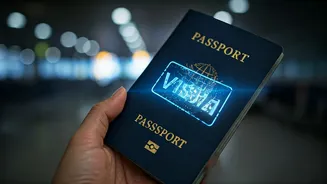
is underway. In a fierce global competition for tourism dollars, nations are realizing that the biggest barrier to entry isn’t flight costs or language—it’s paperwork. From Southeast Asia to Africa, countries are simplifying, streamlining, or scrapping visa requirements altogether. They are trading tedious security theater for a straightforward economic calculation: the easier you make it to visit, the more people will come. This has given rise to the expansion of e-visas, visa-on-arrival programs, and, in the boldest cases, completely visa-free travel.
Post-Pandemic Gold Rush
So, why is this happening now? The primary driver is the global tourism industry’s scramble to recover from the pandemic. With tourism accounting for a huge slice of GDP for many nations, the lost years of lockdown created a massive economic hole. Governments are now using every tool at their disposal to lure travelers back, and visa facilitation is one of the cheapest and fastest ways to do it. Unlike building new airports or funding massive marketing campaigns, changing a visa policy is a relatively quick legislative or administrative act. It sends an immediate, powerful message to the world: “We are open for business.” Furthermore, the rise of the “digital nomad” and the flexible “work-from-anywhere” culture has created a new, lucrative class of long-stay travelers who are highly sensitive to administrative friction. A three-month visa-free stay is far more appealing than a 30-day tourist visa that requires constant extensions.
Case Study: The Kenya Experiment
Perhaps the most dramatic example of this trend is Kenya. In January 2024, the East African nation eliminated visa requirements for all foreign nationals, regardless of their country of origin. Instead of a traditional visa, visitors now apply for a simple electronic travel authorization (ETA) online, which is typically approved within days for a small fee. President William Ruto declared the move was designed to encourage a “visa-free globe.” The goal is to double tourism numbers and make Kenya a more accessible hub for both leisure and business. While it’s still early, the strategy is a clear bet that the economic benefits of a massive influx of tourists will far outweigh the old security concerns and administrative revenue associated with a cumbersome visa system. It’s a bold experiment that the rest of the world is watching closely.
Asia's Open Invitation
This isn’t just an African phenomenon. Southeast Asia, a region heavily reliant on tourism, has been a hotbed of visa simplification. Thailand, for example, has repeatedly extended its visa-free stay periods for dozens of nationalities, including Americans, to encourage longer trips. In late 2023, Malaysia announced 30-day visa-free entry for citizens of China and India, two of the world’s largest outbound travel markets. Indonesia has floated plans to expand its visa-on-arrival program to more countries to boost tourism beyond Bali. These countries are in direct competition, and when one simplifies its rules, its neighbors often feel pressure to follow suit, creating a domino effect that benefits travelers. They've learned that in a world of infinite choice, convenience is king.
What This Means for American Travelers
For U.S. passport holders, who already enjoy visa-free access to 189 destinations, this trend might seem incremental. But it’s more significant than it appears. It’s opening up destinations that were previously considered “difficult” or required extensive pre-planning, making spontaneous trips to places like Kenya or longer stays in Thailand much more feasible. It reduces the hidden costs of travel (visa fees can run into hundreds of dollars) and eliminates a major source of pre-trip anxiety. This shift empowers a more flexible, last-minute style of travel. Instead of planning a big trip six months out, you can now see a cheap flight to a newly visa-free country and just go. It fundamentally changes the mental calculation, transforming a destination from a logistical challenge into a simple possibility.