



The Heart of the Matter: Rath Yatra
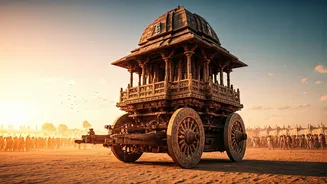
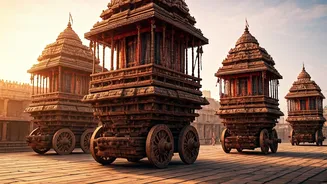
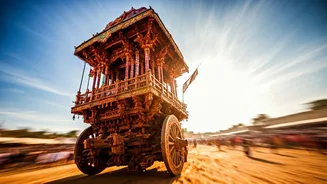
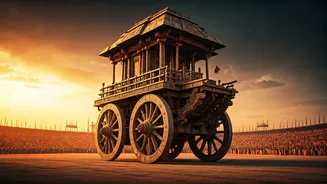
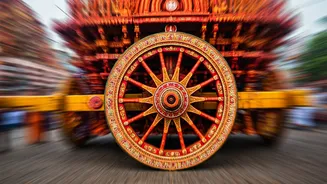
Each year, the city of Puri, on the coast of the Bay of Bengal in eastern India, becomes the stage for one of the world's most staggering religious spectacles: the Rath Yatra, or Festival of Chariots. While the exact dates are determined by the lunar
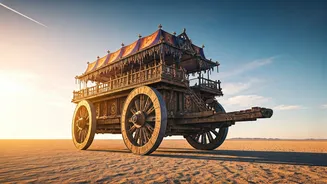
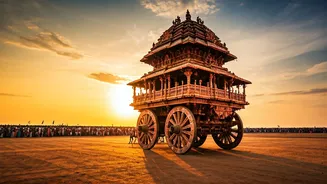
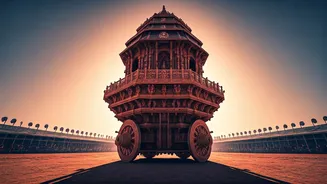
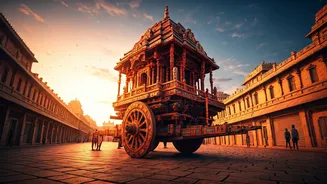
calendar, the festival often falls in late June or early July, marking the peak season for visitors. The event celebrates the annual journey of Lord Jagannath, his brother Balabhadra, and sister Subhadra from their home in the main temple to their aunt's temple about two miles away. What makes this procession extraordinary is its scale. The deities are placed on three towering, brightly decorated chariots, which are then pulled by hand using long, thick ropes by thousands of pilgrims. It’s a powerful, primal display of faith and community effort, with the belief that even touching the ropes can bring spiritual merit. For any traveler seeking cultural immersion, witnessing the sheer energy, color, and devotion of Rath Yatra is a once-in-a-lifetime experience.
The Abode of the Lord: Jagannath Temple
At the center of Puri's spiritual life is the magnificent Jagannath Temple, a towering 12th-century architectural marvel that is one of the four most sacred pilgrimage sites (Char Dham) for Hindus. Its main tower, or *shikhara*, dominates the city skyline. While the temple complex is a fascinating universe of shrines, kitchens, and ancient traditions, there's a crucial point for international travelers: non-Hindus are not permitted to enter the main temple sanctum. However, the Rath Yatra festival beautifully subverts this rule. It is the one time of year that the deities emerge from the temple, allowing everyone—regardless of caste or creed—to see them up close. This democratic and inclusive aspect of the festival is part of what makes it so special, turning the entire city into a moving temple accessible to all.
Beyond the Festival: Puri's Golden Beach
The incredible intensity of Rath Yatra finds its perfect counterbalance in the serene expanse of Puri’s Golden Beach. This long, wide stretch of sand is known for its beautiful sunrises and relatively gentle surf, offering a place for quiet contemplation after the stimulating chaos of the festival. The beach is a hub of local life, where fishermen mend their nets and sell their daily catch. It is also famous for its connection to Sudarsan Pattnaik, an internationally renowned sand artist. You can often find incredible, intricate sand sculptures along the shore, depicting mythological scenes or contemporary messages. A walk along the beach provides a completely different, yet equally essential, perspective on the city's character.
A Taste of Odisha
No visit to Puri is complete without experiencing its unique culinary landscape. The Jagannath Temple boasts one of the largest kitchens in the world, where a massive vegetarian feast known as *Mahaprasad* (the great offering) is prepared daily for thousands. This sacred food is cooked in clay pots over wood fires according to ancient recipes and is considered a great blessing. While accessing the temple prasad can be part of the pilgrimage, visitors can also explore the city’s many eateries. Don't miss out on trying local Odia specialties like *Dalma* (a lentil and vegetable stew), *Pakhala* (fermented rice), and a variety of seafood dishes available along the beachside.
Know Before You Go
Traveling to Puri for Rath Yatra requires planning. The city swells with millions of visitors, so booking accommodations months in advance is essential. Be prepared for immense crowds, humidity, and the onset of the monsoon season, which usually begins in June. Pack light, breathable clothing, comfortable footwear, and rain gear. It's a sensory overload in the best way possible, but it can be overwhelming. Embrace the chaos, stay hydrated, and be respectful of the deeply religious nature of the event. While the festival is the main draw, Puri offers a profound glimpse into a side of India that is ancient, deeply spiritual, and vibrantly alive.