

Meet the 'Miracle Tree'
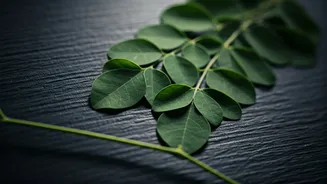
Before it was a green powder in a health food store, moringa was simply a tree in the backyard. Native to the Indian subcontinent, Moringa oleifera—often called the “drumstick tree” for its long, slender seed pods—is a fast-growing, drought-resistant
plant that has been a reliable source of nutrition for generations. Almost every part of the tree is edible, from the peppery leaves and floral blossoms to the tender pods and protein-rich seeds. In many parts of India and Africa, it’s not a luxury wellness product; it’s a foundational part of daily life, a workhorse plant that thrives where others might fail, providing shade, sustenance, and medicine all in one.
A True Nutritional Powerhouse
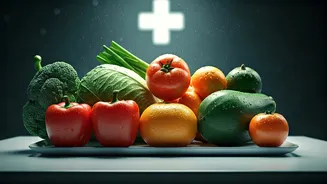
The term “superfood” is often marketing fluff, but moringa’s nutritional resume is genuinely impressive. The leaves are packed with an astonishing array of vitamins and minerals. Gram for gram, fresh moringa leaves contain more vitamin C than oranges, more potassium than bananas, and significant amounts of vitamin A, iron, calcium, and protein. The leaves also boast a complete amino acid profile, a rarity in the plant world, making it an excellent source of plant-based protein. It’s also rich in antioxidants like quercetin and chlorogenic acid, which are compounds known for their anti-inflammatory properties. This potent combination is why it has been used in traditional Ayurvedic and folk medicine for centuries to combat malnutrition and boost vitality.
A Taste of Tradition in Indian Kitchens
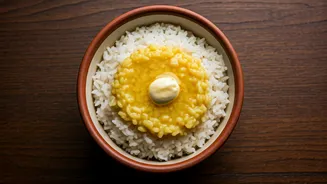
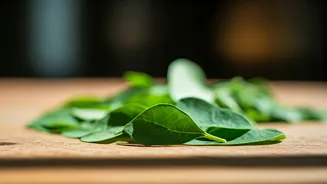
In the U.S., we mostly see moringa as a fine green powder. But in India, it's a dynamic, textural ingredient. The most common uses involve the leaves and the drumsticks. The leaves, which have a flavor reminiscent of spinach with a slightly peppery, horseradish-like kick, are often stir-fried with coconut and spices to make a 'thoran' or 'poriyal' in South India. They're also blended into lentil dishes like dal, giving the comforting staple a vibrant green hue and a nutritional upgrade. The drumsticks themselves aren't eaten whole but are chopped into segments and added to soups and curries, like the famous South Indian sambar. You chew on the fibrous segments to release the soft, flavorful pulp inside—a culinary experience that is both delicious and interactive. This deep integration into regional cuisines shows that moringa is valued not just for health, but for its unique flavor and versatility.
Bringing Moringa into Your Own Meals
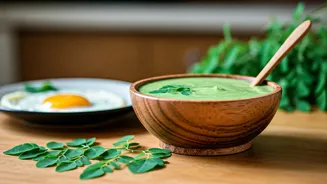
While finding fresh moringa leaves and drumsticks might require a trip to an Indian or international grocery store, the powder is now widely available and incredibly easy to use. Its earthy, matcha-like flavor blends seamlessly into many dishes. The easiest entry point is a smoothie; a teaspoon of moringa powder adds a huge nutritional boost without drastically altering the taste. You can also whisk it into scrambled eggs or oatmeal, stir it into soups and stews just before serving, or even bake it into muffins and energy bars. Think of it as a greener, more nutrient-dense alternative to wheatgrass or spirulina. Start with a small amount (about half a teaspoon) to get used to the taste, and remember that a little goes a long way in terms of both flavor and nutritional impact.