






From Niche Import to Mainstream Buzz
Just a decade ago, Pilates was a foreign concept in India, known only to a handful of globetrotting elites. The fitness landscape was dominated by traditional gyms, high-intensity cardio, and of course, yoga. Today, sleek, minimalist Pilates studios are
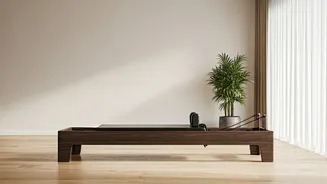
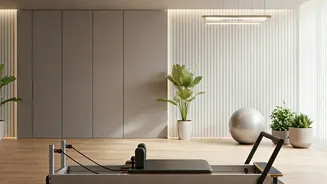
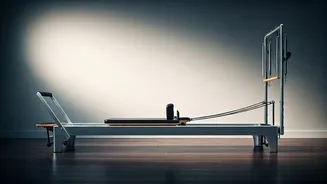
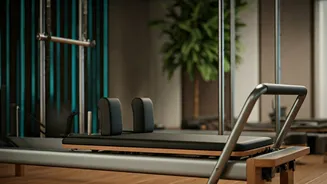
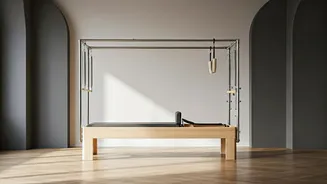
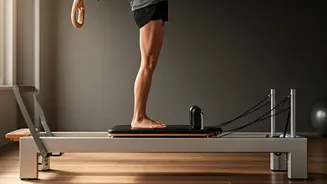
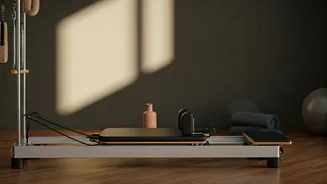
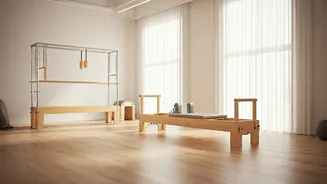
a common sight in the affluent neighborhoods of Mumbai, Delhi, and Bangalore. The signature piece of equipment, the Reformer—a spring-loaded sliding carriage that looks like a medieval training device—has become a status symbol, popping up constantly on the Instagram feeds of actors, athletes, and influencers. So what changed? The shift wasn't a grassroots movement but a top-down phenomenon. A few pioneering instructors, often trained abroad, saw an opportunity to introduce a workout focused on core strength, posture, and mindful movement to a market that was starting to look beyond just burning calories. They found their perfect ambassadors in the one place that truly shapes Indian popular culture: Bollywood.
The Bollywood Seal of Approval
In the United States, a celebrity endorsing a workout is good for business. In India, it can create an entire industry. When stars like Deepika Padukone, Alia Bhatt, and Katrina Kaif began crediting their famously fit physiques to Pilates, the nation took notice. These weren't just casual mentions; their social media became a showcase for grueling sessions on the Reformer, guided by celebrity trainers like Yasmin Karachiwala and Namrata Purohit, who have become stars in their own right. This association transformed Pilates from a mere exercise into an aspirational lifestyle choice. It became the secret behind the preternatural poise and strength seen on screen. For millions of fans, the logic was simple: if Pilates is responsible for the grace and power of their favorite stars, it must be something special. This celebrity halo effect provided the initial spark, making Pilates seem less like a clinical corrective exercise and more like a glamorous path to self-improvement.
An Antidote to Modern Urban Life
While Bollywood opened the door, the reason Pilates has stayed and grown is because it perfectly addresses the pains of modern Indian urban life. As millions join the white-collar workforce, they also inherit its physical toll: long hours hunched over laptops, stressful commutes, and the chronic back and neck pain of a sedentary lifestyle. Pilates, with its intense focus on strengthening the deep abdominal and back muscles, is a direct remedy for this “desk-job posture.” Unlike high-impact workouts that can be punishing on the joints, Pilates is rehabilitative. It builds strength from the inside out, improving flexibility, balance, and body awareness. For a generation grappling with unprecedented levels of stress, the methodical, controlled nature of the practice offers a form of moving meditation—a way to disconnect from the chaos of city life and reconnect with one’s own body. It bridges the gap between a hard-core gym session and a purely spiritual practice like yoga.
The New Language of Wellness and Status
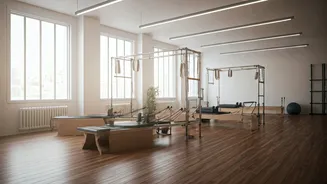
Attending a Pilates class in a major Indian city is about more than just fitness; it’s a cultural statement. The boutique studios are often exclusive, with high price points that place them firmly in the realm of luxury goods. Classes are small, the instruction is personalized, and the environment is curated to feel like a wellness sanctuary, not a sweaty gym. This positions Pilates as a marker of social status. It signals that you are not only health-conscious but also part of a globalized, affluent class that invests in self-care. It’s a quiet form of conspicuous consumption. The trend also reflects a broader shift in India's wellness philosophy. The conversation is moving away from purely aesthetic goals (losing weight, building muscle) and toward a more holistic vision of health that includes mental well-being, injury prevention, and sustainable, long-term fitness—a language that Pilates speaks fluently.