





The Obvious Use, Perfected
Let’s get the classic scenario out of the way first. You’re on a scenic detour, maybe hiking to a waterfall in the Blue Ridge Mountains or exploring a misty cove on the Oregon coast. Your phone is your camera, your GPS, and your connection to the world.
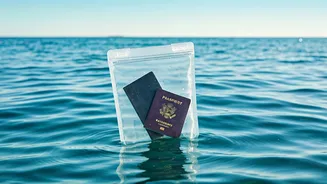
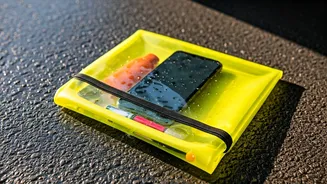
A sudden rainstorm, an errant splash, or a clumsy drop near water can turn a magical moment into a thousand-dollar mistake. A quality transparent waterproof pouch allows you to keep using your phone—taking photos, checking maps—while it remains completely sealed from the elements. But thinking of it just for your phone is selling it short. This is about weatherproofing your spontaneity. It means you can say yes to the impromptu kayak rental or the walk on the beach without a second thought about sand or water damage to your keys, wallet, and phone.
The Anti-Spill Containment Unit
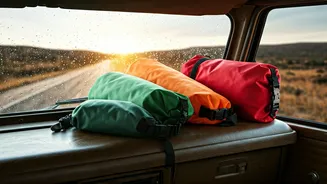
We often think of waterproof pouches as a way to keep water *out*. On a road trip, their real genius is keeping messes *in*. Your bag is a minefield of potential disasters: a tube of sunscreen with a loose cap, a half-eaten bag of sticky fruit snacks, a leaky bottle of hand sanitizer, or the condensation from a cold drink sweating all over your car’s registration. Instead of letting these minor annoyances become a sticky, car-wide crisis, use pouches as containment fields. Designate one for toiletries, another for potentially messy snacks, and a third for wet wipes or a damp swimsuit after a lake swim. By containing the potential for spills and stickiness, you’re not just protecting your gear; you’re preserving your sanity on day five of a cross-country drive.
Your Mobile Safe and Organizer
A road trip involves countless transitions. You’re moving from the car to a gas station, a diner, a hotel, or a hiking trail. Each time, you do the familiar pocket-pat dance: “Phone? Wallet? Keys?” A waterproof pouch streamlines this entire process. It becomes your grab-and-go “essentials pod.” When you leave the car for a two-hour exploration, you don’t need your entire backpack. Just grab the pouch containing your driver’s license, a credit card, your phone, and your car key, and you’re set. It’s more secure than leaving valuables in the glove compartment and less cumbersome than carrying a full bag. In a pinch, it can even serve as a discreet, low-profile way to keep important documents like passports or reservation printouts organized and safe from the inevitable coffee spill in the center console.
The Modular Emergency Kit
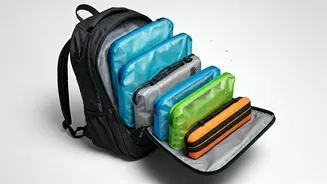
The problem with most pre-packaged first-aid kits is that they’re bulky and full of things you don’t need. A waterproof pouch allows you to build your own modular, trip-specific kits. For a hiking-heavy trip through national parks, one pouch can become your blister-and-bug-bite kit, containing band-aids, antiseptic wipes, pain relievers, and hydrocortisone cream. Another can be the dedicated tech kit, holding a power bank, a short charging cable, and a wall adapter—everything you need to revive a dead phone, all in one place. A third can be the official car document holder, keeping your registration and insurance card pristine and easy to find if you get pulled over. The transparency of most pouches means you can see what’s inside at a glance, ending the frantic rummaging through your duffel bag in a moment of need.