



From Hobby to Civic Good
The simple act of growing your own food has always come with rewards: fresher flavors, lower grocery bills, and the satisfaction of watching a seed become a meal. But now, there’s a new potential benefit to add to the list: cash back. From city halls
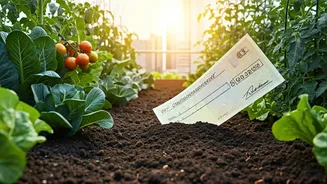
to the U.S. Department of Agriculture (USDA), governments are recognizing the value of local food production. Urban gardens improve access to healthy food, create green spaces, manage stormwater runoff, and build community resilience. To encourage these outcomes, a growing number of programs are offering financial perks to citizens who are willing to get their hands dirty. The “cheque” might not always be a literal paper check, but it can come in the form of rebates, grants, free supplies, or significant discounts that put real money back in your pocket.
Your City Might Pay You to Plant
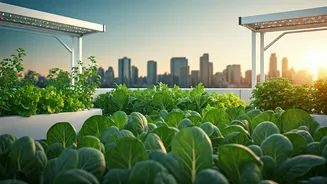
The most accessible incentives for individual gardeners are often found at the municipal level. Many cities, especially those focused on sustainability and water conservation, are actively encouraging residents to transform their urban spaces. A common example is the “lawn-to-garden” or “turf replacement” program. Cities in arid regions, like Los Angeles or Las Vegas, have long offered rebates per square foot for homeowners who tear out thirsty grass lawns and replace them with drought-tolerant plants—a category that can absolutely include vegetable gardens. Other cities may offer free compost from municipal yard waste programs, provide free saplings, or offer stipends to residents who join a community garden. Your best first step is to search your city or county’s official website, specifically looking at the departments of Public Works, Water, or Sustainability for programs related to gardening, water-wise landscaping, or waste reduction.
State-Level Sprouts and Subsidies
Moving up the chain, state governments also play a role in promoting local agriculture, though their programs may be aimed at slightly larger projects. State Departments of Agriculture or Environmental Protection often administer grants for establishing community gardens, school gardens, or urban farms. While a grant for $10,000 might not be for your personal terrace patch, these initiatives create opportunities. You could partner with neighbors to apply for a grant to start a garden on a vacant lot, or your existing community garden could secure funding for new tools, soil, and irrigation systems that directly benefit you. These programs signal a broader commitment to local food, and the resources they provide often trickle down. Check your state's Department of Agriculture website for grant opportunities under headings like “urban agriculture,” “specialty crops,” or “community food projects.”
Federal Support for Urban Farms
On the federal level, the USDA’s Office of Urban Agriculture and Innovative Production (OUAIP) is the main driver of this movement. Established in the 2018 Farm Bill, its mission is to support agriculture in and around cities. Most of its funding, through programs like the Urban Agriculture and Innovative Production Grants, is directed toward non-profits, local governments, and larger-scale urban farms. So, while you probably can’t get a federal grant for a few pots of basil, the existence of this office is a game-changer. It funds the very local organizations—the city-level non-profits and university extension programs—that provide direct support, education, and resources to home gardeners like you. In effect, federal dollars are increasingly being used to build the local infrastructure that helps your garden thrive.
Beyond Cash: Rebates on Essential Gear
Finally, don’t forget to look for incentives that aren’t directly labeled for “gardening” but are essential to it. Water utility rebates are a prime example. Many water districts offer significant rebates for purchasing high-efficiency sprinkler nozzles, smart irrigation controllers that adjust to the weather, or rain barrels that allow you to capture and use free, non-chlorinated water for your plants. Similarly, some sanitation departments offer free or heavily subsidized compost bins to encourage residents to recycle food scraps and yard waste. This not only reduces landfill waste but also provides you with a constant source of nutrient-rich “black gold” for your vegetable beds, saving you money on bagged soil and fertilizers. These small, targeted rebates can add up, reducing the overall cost of maintaining a productive and sustainable veggie patch.