



The Unsung Drama of the Monsoon
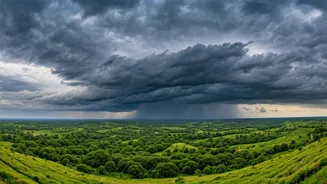
In the southern Indian state of Andhra Pradesh, the sky is a storyteller. Particularly during the monsoon season, which sweeps in from the Bay of Bengal from roughly June to October, the atmosphere is charged with anticipation. The air grows heavy, thick
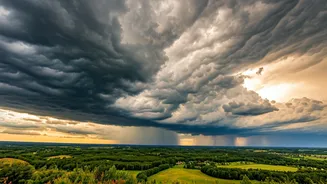
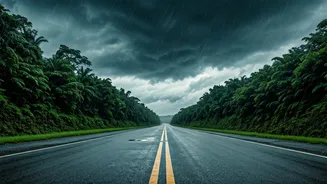
with the scent of petrichor—that earthy perfume of rain hitting dry soil. This isn't the oppressive gray of a dreary winter day in the West; it's a dynamic, pregnant stillness. The clouds are not a flat ceiling but a textured canvas of deep blues and shifting grays, promising relief from the preceding months of blistering heat. For a traveler, arriving during this time means stepping into the first act of a grand drama. The landscape holds its breath, and the world feels poised on the edge of a powerful release. Every gust of wind feels like a directorial cue, signaling the next movement in nature’s symphony.
A Landscape Redrawn in Soft Light
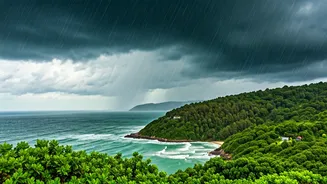
When the sun is blotted out, the world is redrawn. The harsh, high-contrast light that can bleach landscapes and flatten details is replaced by a giant, natural softbox. This is a photographer’s and a filmmaker’s dream. In Andhra Pradesh, this effect is transformative. The jagged peaks of the Eastern Ghats lose their sharp edges, instead receding into the mist in layered, painterly silhouettes. The intricate carvings on ancient temple walls, like those found in Lepakshi or Srikalahasti, are rendered in subtle gradients rather than stark shadows, allowing the eye to appreciate the artisan’s skill without distraction. Even the vibrant chaos of a city like Visakhapatnam, with its bustling port and sprawling beaches, takes on a new quality. The fluorescent glare of storefronts reflects off damp pavement, and the endless colors of saris and auto-rickshaws seem to glow with an inner luminescence against the muted backdrop. It’s a visual feast, but one served with an entirely different flavor profile than the usual sun-drenched fare.
Life Through a Director's Lens
This cinematic quality extends beyond the landscape to the human moments that define travel. A sudden downpour sends a crowd scurrying for cover under the awning of a tiny chai stall. Strangers are pressed together, sharing a laugh and a small, steaming cup of spiced tea as they wait out the storm. This is not an inconvenience; it is a scene. A lone fisherman casting his net into the gray, choppy waters of the Godavari River becomes a figure of stark, quiet determination. A group of schoolchildren, their brightly colored uniforms a splash of life against a wet, gray street, huddle under a single, enormous umbrella. The cloudy sky frames these vignettes, isolating them and giving them weight. It forces you to notice the small, intimate details of daily life that might otherwise be lost in the bright wash of a sunny day. You stop being just a tourist taking pictures and start becoming an observer, watching a series of beautiful, unscripted short films unfold before your eyes.
Echoes of an Epic Screen
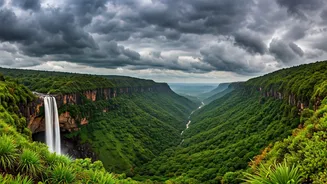
It’s no wonder that this region’s dramatic atmosphere has found its way onto the actual silver screen. The grand, sweeping vistas of Andhra Pradesh and its neighboring states have provided the backdrop for some of India’s most epic films, including parts of the globally successful *Baahubali* series, whose fantastical landscapes feel rooted in the very real drama of the region's monsoonal geography. The rolling hills shrouded in fog and the powerful waterfalls swollen with rain are not CGI creations but an amplification of reality. When you travel through Andhra under a cloudy sky, you feel this connection instinctively. You feel like you’ve wandered onto a film set where the production designer is Mother Nature herself, and she’s in the mood for an epic. The world doesn't just look cinematic; it feels imbued with a sense of story, of history and myth hanging in the very air you breathe.