


The Post-Monsoon Transformation
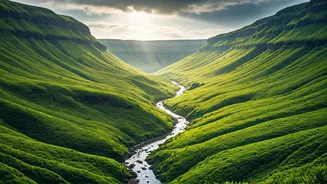
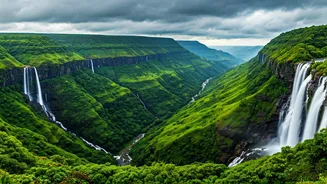
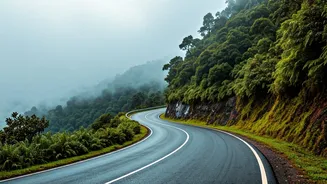
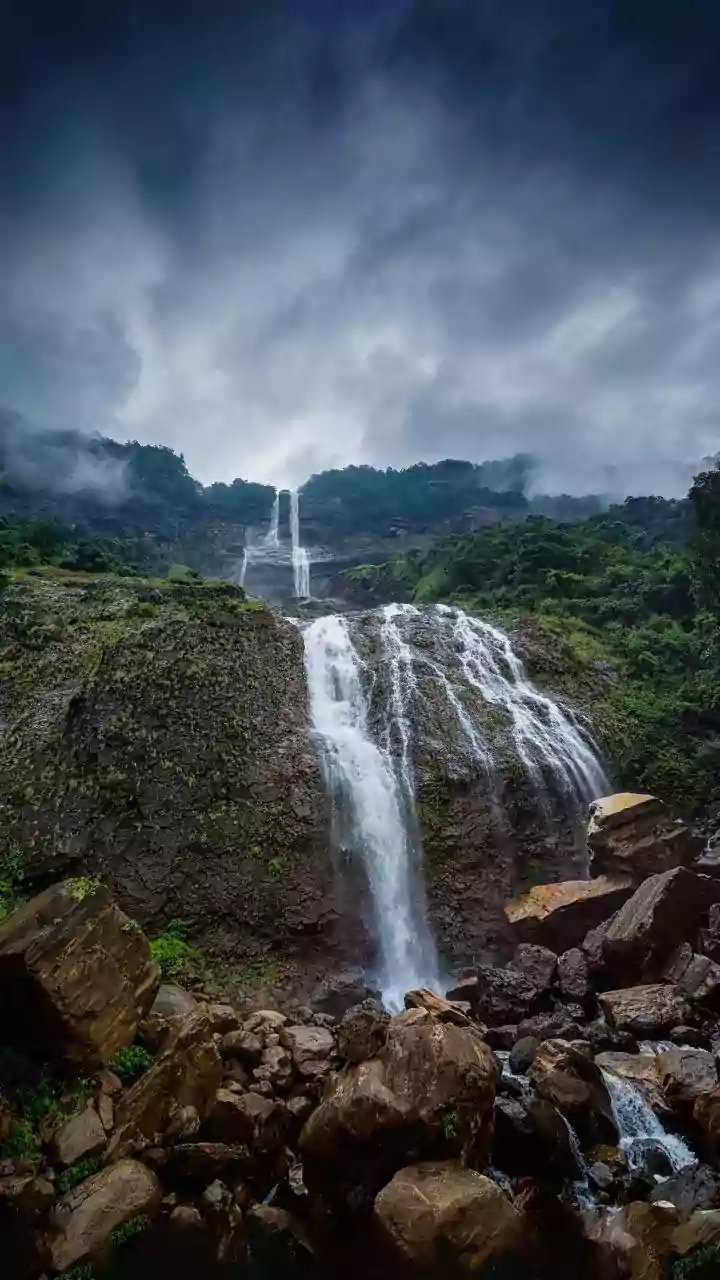
For Americans, seasons are marked by falling leaves or the first snowfall. But in specific regions of India, the most dramatic seasonal shift happens right after the monsoon. From June to September, heavy rains saturate the land, turning everything a deep,
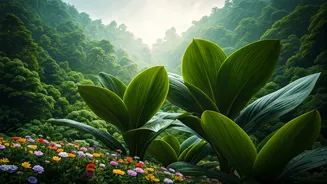
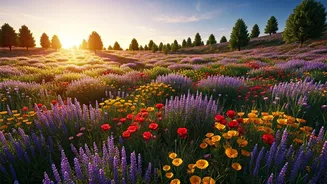
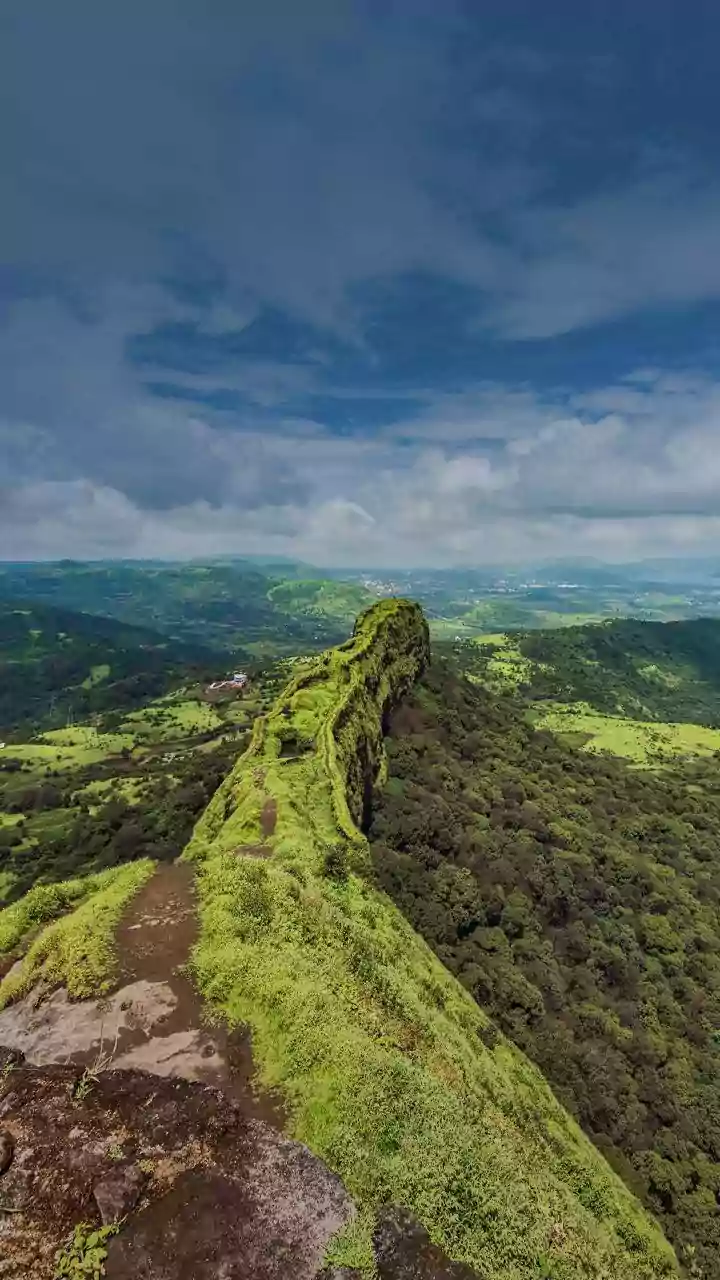
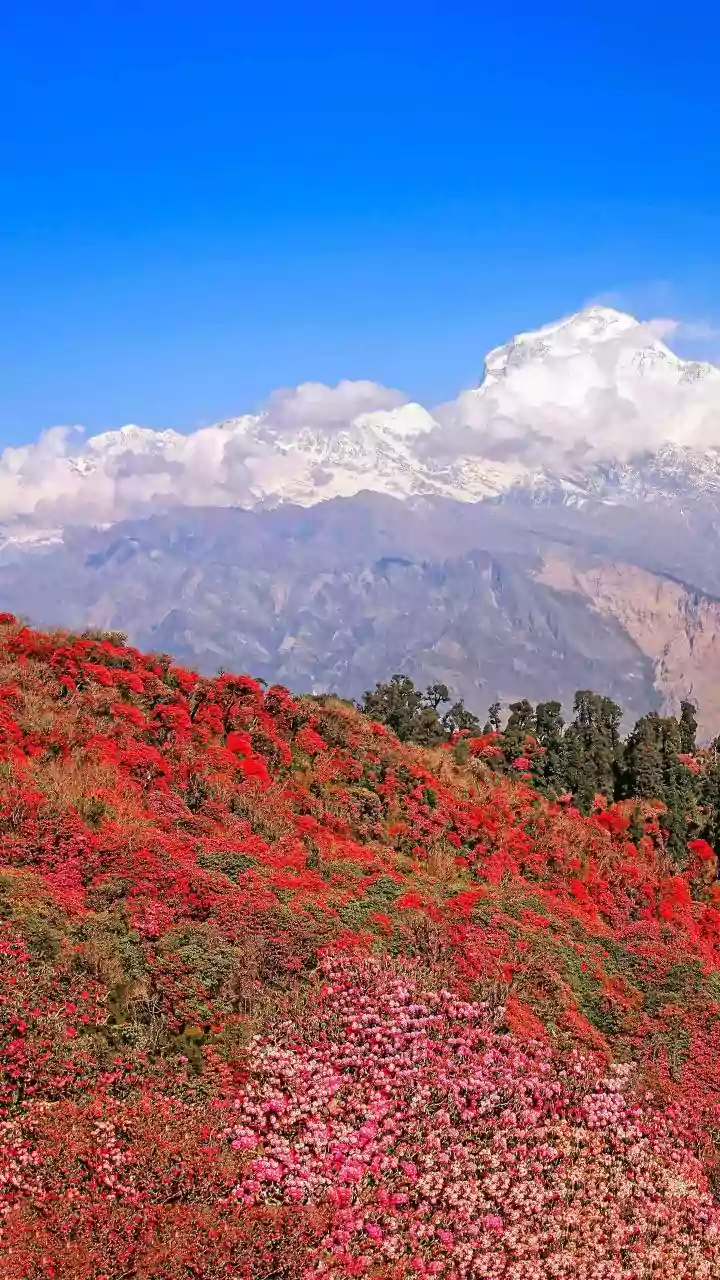
lush green. But as the downpours subside in late August and September, something magical occurs. Seemingly overnight, vast plateaus and hillsides, particularly in the Western Ghats mountain range, burst into a riot of color. Millions of tiny, ephemeral wildflowers, their seeds lying dormant through the dry season and the deluge, all bloom in a synchronized, breathtaking spectacle. This is India’s “flower surprise”—a fleeting window of unbelievable beauty painted across the landscape.
The Crown Jewel: Kas Pathar
The most famous stage for this annual show is the Kas Pathar, or Kaas Plateau, in the state of Maharashtra. A UNESCO World Natural Heritage site, this volcanic plateau transforms into what’s locally known as a “valley of flowers.” It’s not about a few big, showy blossoms. Instead, it’s about the sheer, overwhelming number of tiny flowers—over 850 different species—creating a tapestry of pink, purple, yellow, and white. Think of a pointillist painting come to life. The ground becomes a mosaic of Smithia, a tiny yellow flower, and Karvi, a purple-blue bloom, among countless others. Because the bloom only lasts for a few short weeks before the flowers wilt and set their seeds for the next year, its arrival is a hotly anticipated event, drawing nature lovers and photographers from across the country.
The Once-in-a-Dozen-Years Legend
While Kas Pathar offers an annual delight, another monsoon flower holds a near-mythical status. This is the Neelakurinji (Strobilanthes kunthiana), a shrub that blooms spectacularly only once every 12 years. When it does, it blankets the hills of Kerala and Tamil Nadu in a sea of purplish-blue flowers, giving the Nilgiri Mountains—literally, the “Blue Mountains”—their name. The last major bloom in 2018 was a massive event, attracting hundreds of thousands of visitors who wanted to witness the once-in-a-generation spectacle. The next one isn’t expected until 2030. This long, patient cycle adds a layer of profound significance to the bloom, a powerful reminder of nature’s patient, deep rhythms that operate on a timescale far beyond our own.
A Fragile and Fleeting Wonder
This explosion of life is as delicate as it is beautiful. These unique ecosystems are highly sensitive. The flowers of Kas Pathar, for instance, are endemic, meaning they grow here and almost nowhere else on Earth. To protect them, authorities have fenced off core areas and created pathways to manage the influx of tourists who might otherwise trample the delicate blooms. The biggest threats, however, are more systemic: climate change, which can disrupt the precise timing of the rains and sun required for the bloom, and land use changes in the surrounding areas. Conservationists work tirelessly to preserve these plateaus, ensuring that future generations can witness this incredible post-monsoon gift. It’s a powerful lesson in how the world’s most stunning displays are often its most fragile.