




Escaping the Great Indian Summer
To understand the June travel tradition, you first have to understand the Indian summer. By May, much of the country is baking in oppressive, triple-digit heat. It’s not just uncomfortable; it’s a relentless, draining force that makes daily life a slog.
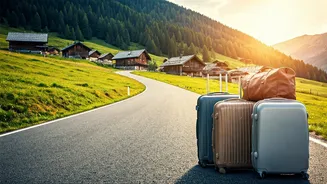
Before the widespread availability of air conditioning, the only real solution was to escape. This ingrained a powerful cultural instinct: when the heat becomes unbearable, you go somewhere cooler. This 'push' factor is the primary engine behind the annual family exodus. It’s less a desire for a casual vacation and more a strategic retreat from the elements, a collective sigh of relief sought in the mountains or by the sea.
The School Calendar's Crucial Role
Unlike the U.S. system where school lets out in late May or June, most Indian schools begin their long summer break in April or May. This holiday period typically lasts for about six to eight weeks, with classes resuming in mid-to-late June. This calendar quirk is the single most important logistical piece of the puzzle. The entire country’s domestic tourism industry is built around this academic cycle. Families with school-aged children are locked into this window. For them, summer vacation isn’t a sprawling, three-month affair; it’s a concentrated period that climaxes just as June begins, creating a nationwide, synchronized dash to make the most of the final weeks of freedom.
The 'Goldilocks' Window Before the Monsoon
If the heat is the 'push' and the school calendar is the 'when,' the monsoon is the deadline. India’s life-giving monsoon season, a period of heavy, sustained rainfall, typically sweeps across the country starting in June. While it brings welcome relief from the heat, it also makes travel difficult, grounding flights, washing out roads, and turning scenic vistas into gray, foggy blankets. This creates a precious ‘Goldilocks’ window for travel: late May and early June. During this time, the worst of the pre-monsoon heat may have started to break, but the full force of the rains has yet to arrive in most popular tourist destinations. It’s the perfect, fleeting moment to be on the move—not too hot, not yet too wet.
To the Hills We Go
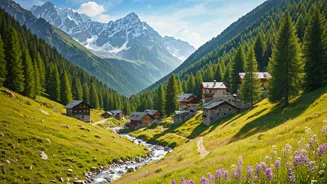
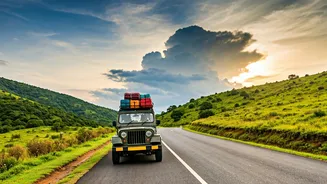
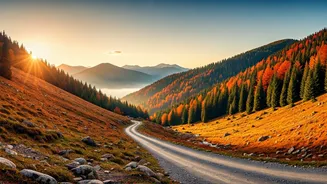
So where does everyone go? The classic destination is a 'hill station.' These are high-altitude towns, many originally developed by the British as summer capitals to escape the heat of the plains. Places like Shimla in the north, Darjeeling in the east, and Ooty or Kodaikanal in the south become magnets for families. The appeal is simple: cool mountain air, lush green landscapes, and a slower pace of life. These trips are often multi-generational affairs, with grandparents, parents, and children all traveling together. Another cornerstone of this tradition is visiting the 'native place'—the ancestral village or hometown where extended family, especially grandparents, reside. For many city dwellers, this is the one time of year they reconnect with their roots, reinforcing family bonds across generations.
A Tradition Woven into Memory
Ultimately, the June outing is more than just a trip; it's a core cultural institution. It’s the source of countless childhood memories: the thrill of a long train journey, the taste of hot corn-on-the-cob in the mountain mist, the joy of seeing cousins you only meet once a year. For many Indian adults, the nostalgia associated with these summer trips is profound. It represents a time of family togetherness, adventure, and a brief, idyllic escape from the pressures of city life. Even as travel patterns change and international destinations become more accessible, this foundational tradition of a domestic June holiday remains deeply woven into the fabric of Indian middle-class life, passed down as a treasured rite of passage.