
From the Cart to Your Cart
Not long ago, tasting authentic, vibrant street food meant finding the right truck, cart, or hole-in-the-wall spot. It was an experience tied to a specific place and time. Now, that experience is being deconstructed, packaged, and sold in the grocery
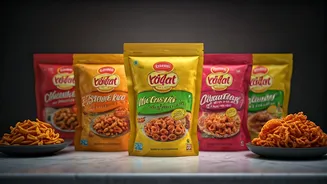
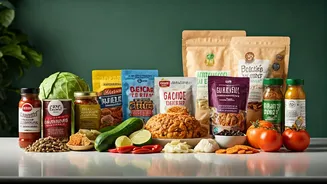
aisle. This is the new frontier of consumer packaged goods (CPG), where the fiery, complex, and deeply regional flavors of global street vendors are becoming pantry staples. Brands like Omsom, co-founded by Vietnamese-American sisters Vanessa and Kim Pham, lead the charge. They offer “starters” for dishes like Thai Krapow and Korean Bulgogi, providing the hard-to-find sauces and aromatics that are the soul of the dish. Similarly, Fly By Jing’s Sichuan Chili Crisp, born from founder Jing Gao’s desire to capture the flavors of her hometown of Chengdu, went from a cult favorite to a staple in stores like Whole Foods and Target. These aren't watered-down approximations; they are concentrated packets of authenticity, designed to empower home cooks to replicate complex flavors with ease.
The Hunger for Adventure and Authenticity
So, why now? The trend is fueled by a perfect storm of cultural and consumer shifts. Firstly, American palates are more adventurous than ever. Social media platforms like TikTok and Instagram have become virtual food tours, exposing millions to dishes like birria tacos, elote, and lumpia. When a food trend goes viral, it creates immediate, widespread demand. People don't just want to see it; they want to taste it. The pandemic acted as a powerful accelerant. With travel and restaurant dining restricted, home kitchens became the sole source of culinary adventure. Consumers, bored with their usual repertoire, sought out new flavors to break the monotony. This created a massive market for products that could deliver a novel, restaurant-quality experience without requiring a culinary degree or a trip to a specialty Asian market. These shelf-ready products promise a shortcut to authenticity, a way to satisfy a craving for travel and discovery from the comfort of home.
The Business of Bottling a Vibe
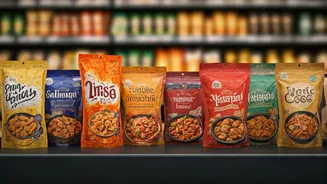
Translating the magic of a street food stall into a shelf-stable product is a massive business challenge. It’s not just about the recipe; it’s about capturing a “vibe.” Authenticity is the main selling point, which means founders often have deep personal connections to the food. Their stories are part of the brand, assuring customers that this isn’t a soulless corporate imitation. Then comes the operational nightmare of scaling. A recipe that works in a small kitchen needs to be adapted for mass production without losing its character. Ingredients must be sourced reliably and consistently. The packaging has to be vibrant and compelling enough to stand out in a crowded aisle, often educating the consumer about what the product is and how to use it. Brands like Momofuku, which leveraged the fame of its restaurant empire to launch a line of chili crunch, soy sauce, and noodles, show how a trusted name can bridge the gap between a dining experience and a retail product. But for smaller startups, building that trust from scratch is the entire game.
Big Food Is Taking Notes
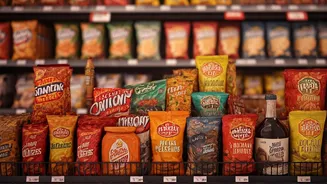
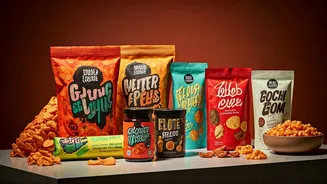
When a trend becomes this big, the major players always follow. Legacy food giants are now racing to get in on the action, validating the market that the smaller, founder-led brands pioneered. You can now find street-taco-flavored chips from massive snack companies and seasoning blends for Nashville hot chicken from McCormick. While these large-scale versions sometimes sand down the spicier, funkier, or more unfamiliar edges of a flavor to appeal to the broadest possible audience, their presence signals a permanent shift. This mainstream adoption means the street food trend isn't just a niche phenomenon for urban foodies. It’s fundamentally changing the American flavor landscape. The “ethnic” food aisle is slowly being dismantled as these global flavors integrate into the main shelves, sitting right alongside Italian pasta sauce and American BBQ. The message is clear: these tastes are no longer foreign, but an integral part of the modern American diet.