






1. Start Before You Shampoo
Fighting frizz begins before water even touches your hair. Frizz-prone hair is often dry and porous, meaning it’s desperate for moisture. A pre-shampoo treatment, or “pre-poo,” provides a protective, hydrating barrier. About 20-30 minutes before you plan
to wash, apply a hair oil (like coconut, argan, or jojoba) or a dedicated pre-wash mask from your mid-lengths to your ends. This step does two things: it prevents your shampoo from stripping away too many natural oils, and it gives your hair a deep dose of moisture that water alone can’t provide. Think of it as priming a canvas—you’re setting your hair up for success.
2. Choose Your Cleanser Wisely
Many shampoos contain sulfates, which are powerful detergents that create a satisfying lather but can be overly harsh on dry, frizz-prone hair. They strip the hair cuticle of its natural oils, leaving it rough and exposed. When the cuticle is raised, it’s more likely to absorb moisture from the air and swell, creating frizz. Switch to a sulfate-free, hydrating shampoo. Look for ingredients like glycerin, which attracts moisture, and other nourishing components. And don't scrub aggressively; use the pads of your fingers to gently massage the scalp, and let the suds rinse down the lengths of your hair. The goal is a clean scalp, not squeaky, stripped strands.
3. Condition with Intention
Conditioner is your primary tool for smoothing the hair cuticle. But how you apply it matters. After rinsing out your shampoo, gently squeeze excess water from your hair. Applying conditioner to sopping wet hair just dilutes it. Work a generous amount through your mid-lengths and ends, avoiding the roots if your hair gets greasy easily. Don't just rake it through and rinse. Use your fingers to detangle and ensure every strand is coated. For extra benefit, try the “squish to condish” method: as you rinse, cup your hair in your hands and scrunch upwards, “squishing” the water and conditioner into the hair shaft. This helps the cuticle absorb the product and form smoother clumps.
4. Ditch Your Terrycloth Towel
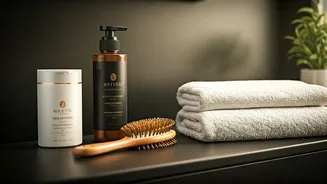
That rough, fluffy towel you’ve been using? It’s a major source of frizz-inducing friction. The coarse loops of a terrycloth towel rough up the hair cuticle and disrupt your natural wave or curl pattern. The solution is to switch to a gentler alternative. A microfiber towel is a great option, as its fine fibers absorb excess water without causing friction. An old, soft cotton t-shirt works just as well. Instead of rubbing your hair dry, gently squeeze and blot the water out. For wavy and curly types, “plopping” your hair into the t-shirt or towel on a flat surface can help encourage definition while it dries.
5. Layer Products on Damp Hair
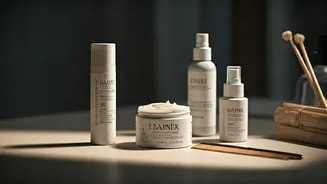
This is arguably the most critical step. Applying styling products to damp—not soaking, but not dry—hair is the secret to locking in moisture and defining your style. The order often follows the LOC (Leave-in, Oil, Cream) or LCO method. Start with a lightweight leave-in conditioner to provide a base layer of hydration. Follow up with a styling cream to encourage smoothness and clumping. Finally, seal it all in with a gel for hold or a few drops of a lightweight hair oil to lock the cuticle down. Distribute the products evenly using your fingers or a wide-tooth comb. The goal is to trap the water inside the hair shaft before it can evaporate and before humidity can get in.
6. Hands Off While Drying
Once your products are in, resist the urge to touch your hair. Whether you’re air-drying or using a diffuser on a low-heat, low-speed setting, touching your hair while it’s drying will break up the product “cast” that’s holding your style together. This interference creates frizz and disrupts the smooth clumps you worked so hard to create. Let your hair dry at least 80% of the way before you touch it. If you used a gel that created a crunchy cast, you can then gently “scrunch out the crunch” with your hands (sometimes with a drop of oil on them) to release soft, defined, frizz-free hair.
7. Protect Your Hair While You Sleep
Don't let eight hours of sleep undo all your hard work. Tossing and turning on a cotton pillowcase creates friction that can rough up your hair cuticle and lead to morning frizz and tangles. The simple fix is to switch to a silk or satin pillowcase. The smooth surface allows your hair to glide over it with minimal friction. If a new pillowcase isn't an option, you can achieve the same effect by wrapping your hair in a silk or satin scarf or bonnet. This small change not only preserves your style for the next day but also protects your hair from breakage in the long run.