
The Tradition Behind the Trend
Before “gut health” became a wellness buzzword, ancient traditions like Ayurveda were already focused on it. In India, the monsoon or rainy season is a time when the digestive system is believed to be weaker and more sluggish. The cool, damp air can slow
things down, making us more susceptible to feeling bloated or unwell. The solution? A diet rich in warm, easily digestible, and fermented foods. These foods introduce beneficial bacteria (probiotics) into the gut, helping to support digestion and immunity when you need it most. So, eating these dishes isn't just about delicious flavors; it's a time-honored practice of seasonal self-care.
Dahi: The Probiotic Powerhouse
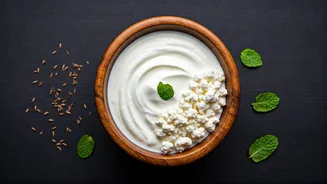
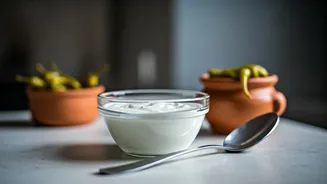
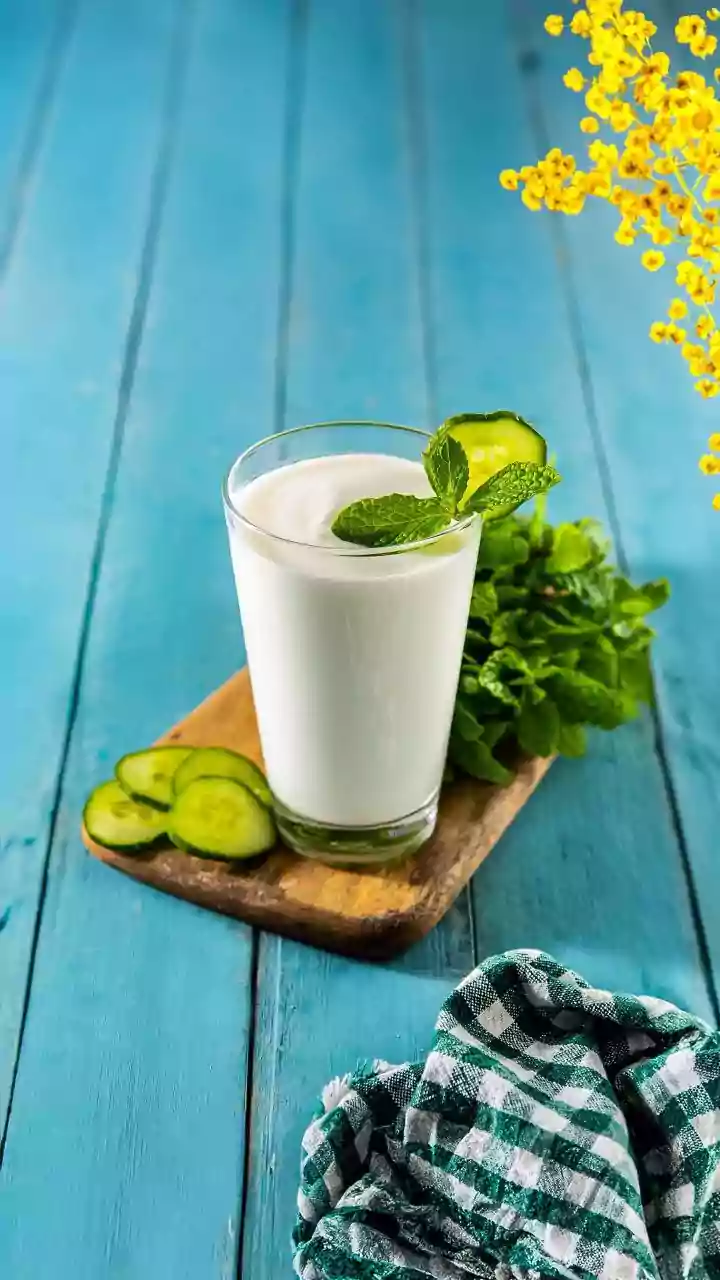
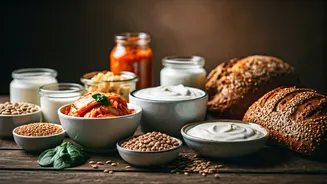
Let’s start with the cornerstone of Indian probiotics: dahi, or homemade yogurt. Far from the sugary fruit-on-the-bottom cups, traditional dahi is made by introducing a live starter culture to warm milk and letting it ferment for hours. The result is a tangy, creamy, and profoundly probiotic food. It's eaten on its own, whipped into a refreshing lassi (a yogurt-based drink), or used to make raita, a cooling cucumber and yogurt side dish. During the rainy season, a savory lassi, known as chaas or buttermilk, spiced with roasted cumin and ginger, is particularly popular. It’s light, aids digestion, and provides a direct dose of gut-friendly bacteria to keep your system humming.
Idli & Dosa: Fermented Batter Bliss
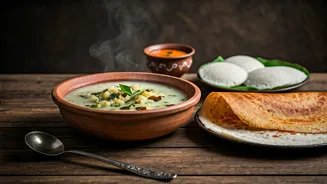
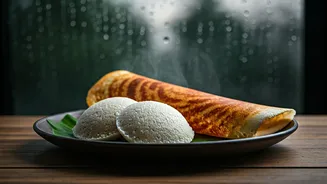
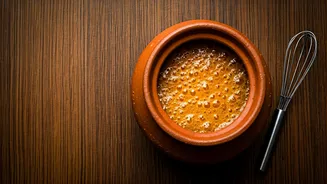
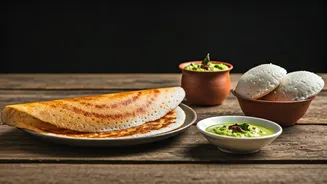
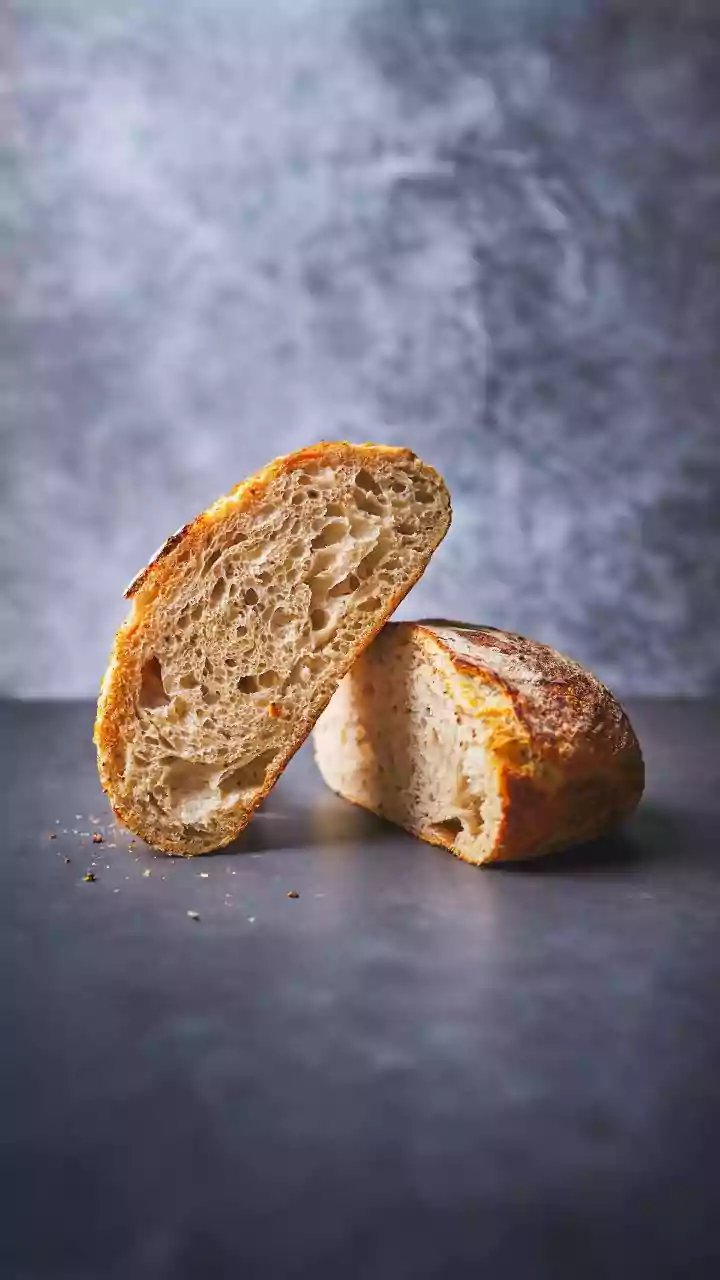
If you’ve ever had the pleasure of eating at a South Indian restaurant, you’ve encountered the magic of fermented rice and lentil batter. This simple mixture is the base for idli (soft, steamed cakes) and dosa (crispy, savory crepes). The batter is left to ferment overnight, a process where wild yeasts and bacteria break down the starches and proteins. This not only creates the batter’s signature sour tang and light texture but also makes the nutrients more bioavailable and easier to digest. These light, airy dishes are considered ideal rainy-season fare because they nourish without weighing you down, giving your digestive system a helping hand.
Dhokla: The Spongy, Steamed Snack
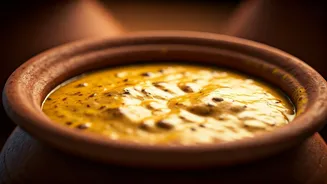
Hailing from the state of Gujarat, dhokla is a savory, spongy cake made from a fermented batter of chickpea flour (besan) or rice and split chickpeas. Like idli and dosa, the fermentation process is key to its identity. The batter is left to sit for several hours, allowing it to become bubbly and alive with beneficial microbes. It's then steamed, resulting in a feather-light texture. Topped with tempered mustard seeds, curry leaves, and fresh cilantro, dhokla is a perfect light meal or snack. Its probiotic qualities and easy digestibility make it a go-to choice when you want something satisfying yet gentle on the stomach during damp weather.
Kanji: The Funky Fermented Drink
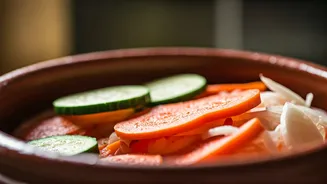
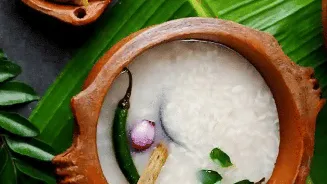
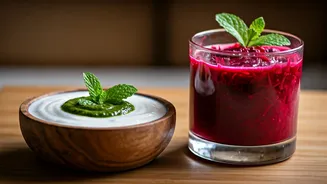
For the truly adventurous, there’s kanji. This traditional North Indian fermented drink is the epitome of a functional beverage. It’s typically made in the winter and early spring using black carrots, but beetroots are a common substitute. The vegetables are chopped and submerged in water with salt and ground mustard seeds, then left in a glass or ceramic jar to ferment in the sun for several days. The resulting liquid is a tangy, salty, and slightly pungent probiotic tonic with a stunning purple hue. It's known as a 'blood cleanser' in folk medicine and is prized for its digestive benefits, making it the ultimate old-school flex for anyone serious about traditional fermentation.