
So, What Is This 'Puff'?
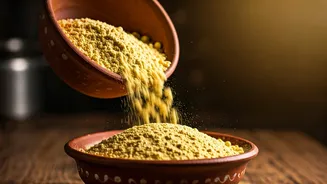
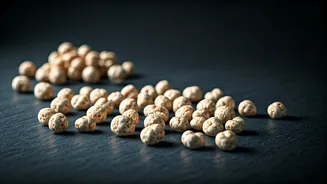
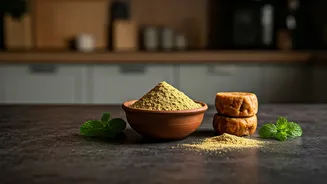
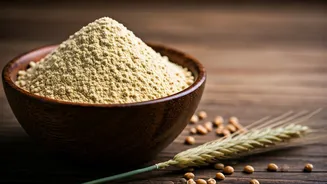
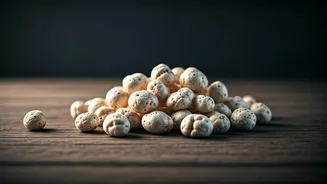
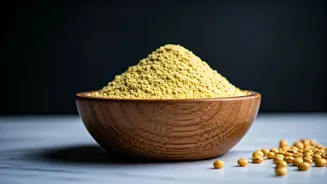
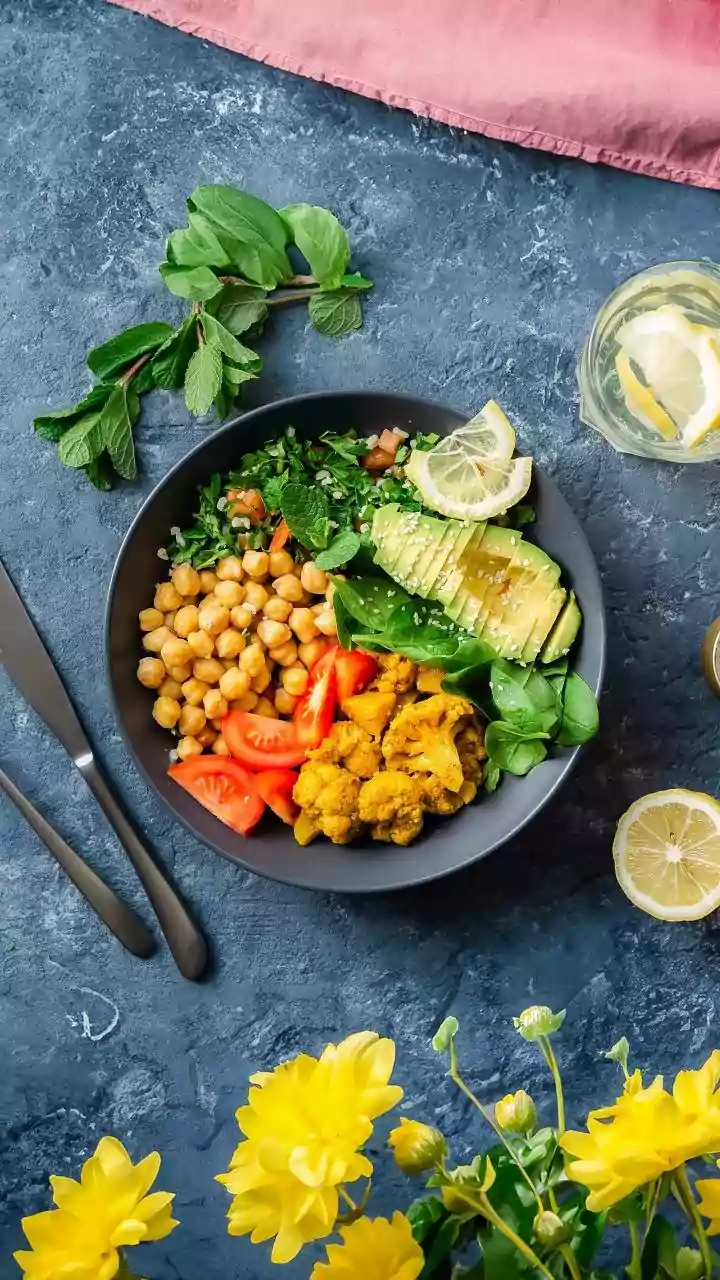
First, let's clear up the name. While the headline calls it a 'puff,' the food in question isn't a pastry or a piece of popcorn. It’s sattu, a flour made from roasted chickpeas (or gram). The name might be a nod to its light, powdery texture or its ability
to be mixed into airy doughs. For centuries, sattu has been the lifeblood of Bihar, one of India's most populous and historic states. Known as the 'poor man’s protein,' it's a super-satiating, shelf-stable, and incredibly versatile ingredient that requires no cooking. Workers heading out for a long day in the fields would simply mix it with water, salt, and spices to create a filling, instant meal. This wasn't a choice of convenience; it was a means of survival, providing sustained energy in the most demanding conditions.
A Cooler, a Drink, a Meal
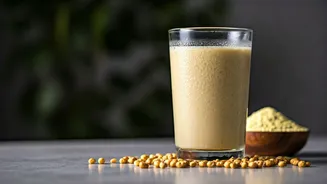
Before it was a wellness trend, sattu was a cornerstone of daily life, consumed in ways that might surprise a Western palate accustomed to whey protein shakes. The most iconic preparation is sattu sharbat, a savory, cooling drink perfect for beating the intense Indian summer heat. It's a simple concoction of sattu, cold water, lemon juice, black salt, and roasted cumin powder. The result is a refreshing, earthy, and surprisingly filling beverage that hydrates and nourishes simultaneously. Sattu is also the key ingredient in litti, a rustic whole-wheat dough ball stuffed with a spiced sattu mixture, which is then roasted over an open fire or cow-dung cakes and dipped in ghee. It's the region's equivalent of a power bar and a hearty meal all in one, a testament to its cultural and culinary importance.
The Nutrition Behind the Hype
This is where the story pivots from a regional staple to a global 'wellness flex.' The nutritional profile of sattu reads like a checklist for the modern health-conscious consumer. It’s packed with plant-based protein, making it an ideal supplement for vegetarians, vegans, and anyone looking to cut back on meat. It's also rich in insoluble fiber, which aids digestion and promotes a feeling of fullness, helping with weight management. Crucially, it has a low glycemic index, meaning it releases sugar into the bloodstream slowly, preventing energy spikes and crashes. For diabetics or anyone monitoring blood sugar, this is a game-changer. Add in a healthy dose of iron, manganese, and magnesium, and you have a completely natural, unprocessed food that outperforms many of the expensive, lab-engineered powders lining health food store shelves.
From Village Staple to Urban Flex
The rediscovery of sattu is part of a larger global trend: the search for authenticity and wisdom in traditional foodways. Just as turmeric became the star of the 'golden latte' and chia seeds became a pudding staple, sattu is being embraced by a new generation. In India's bustling cities, health-conscious millennials and Gen Z are mixing it into their morning smoothies, making protein pancakes, and swapping their usual post-workout shake for a glass of sattu sharbat. Startups are now packaging it in sleek, modern pouches, marketing it as 'India’s Superfood' and exporting it to a curious global market. It’s appearing in health cafes in Mumbai and even finding its way onto Amazon wish lists in the U.S. This isn’t just appropriation; for many, it's a reclamation of heritage—a source of pride that a humble, everyday food from their grandparents' village is now recognized for the powerhouse it always was.