

From Decadence to Discipline
For generations, the food 'flex' was about extravagance. It was the hard-to-get reservation, the imported champagne, the gold-leaf-dusted dessert. This kind of dining signaled wealth, access, and a taste for luxury. But a quiet revolution has been simmering,
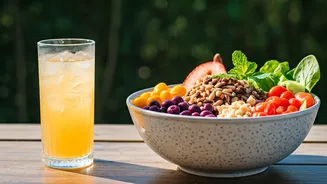
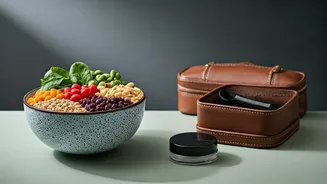
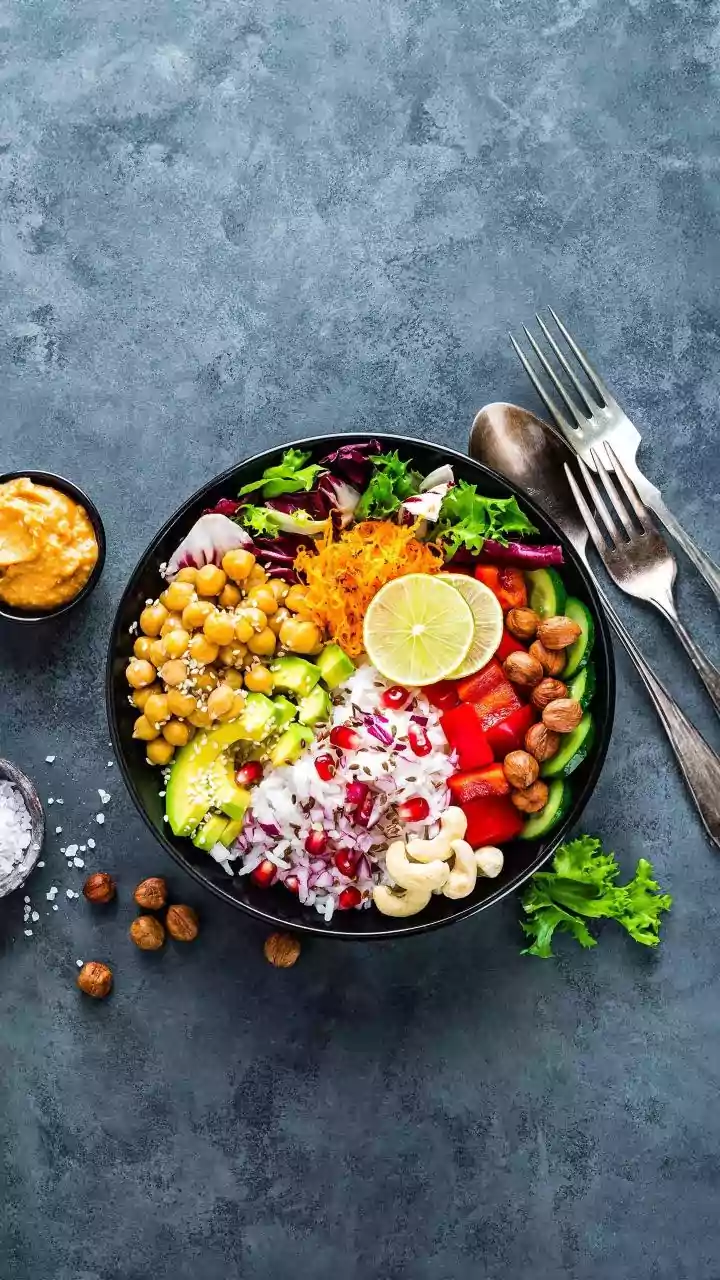
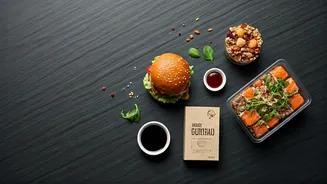
and today, a new kind of social currency is being minted in the checkout lines of fast-casual salad chains and the aisles of health-conscious grocery stores. The new flex isn't about indulgence; it's about discipline. It’s the ability to procure and consume food that is both nutritionally optimized and supremely convenient. A vibrant, macro-counted grain bowl from Sweetgreen, eaten at your desk between Zoom calls, now says more about your status and priorities than a three-hour power lunch ever could. It telegraphs that you are busy, successful, and in control of your health—a trifecta of modern values.
The Business of Healthy Convenience
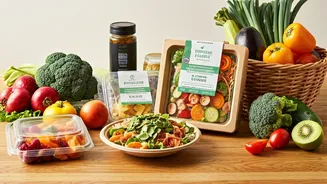
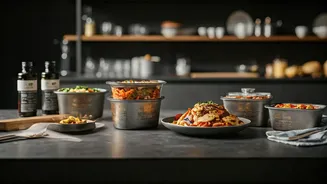
This cultural shift didn't happen in a vacuum. It was fueled by a new wave of businesses that brilliantly identified and catered to the time-poor but health-conscious consumer. Companies like Cava, Chopt, and the aforementioned Sweetgreen transformed the humble salad from a sad side dish into a customizable, desirable meal. They applied the logic of Chipotle—fast, personalized, transparent—to the world of wellness. Their secret was making health effortless. No chopping, no meal prep, no complicated recipes. Just a clean, well-lit assembly line that delivers a virtuous-feeling meal in minutes. This model has proven so successful that it’s now the blueprint for countless other ventures, from smoothie shops to protein-packed snack bars. They are not just selling food; they are selling a solution to the modern dilemma of wanting to be healthy without having a moment to spare.
Your Pantry Is the New Speakeasy
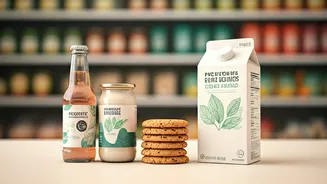
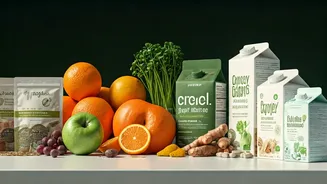
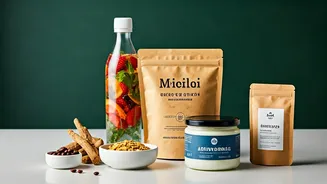
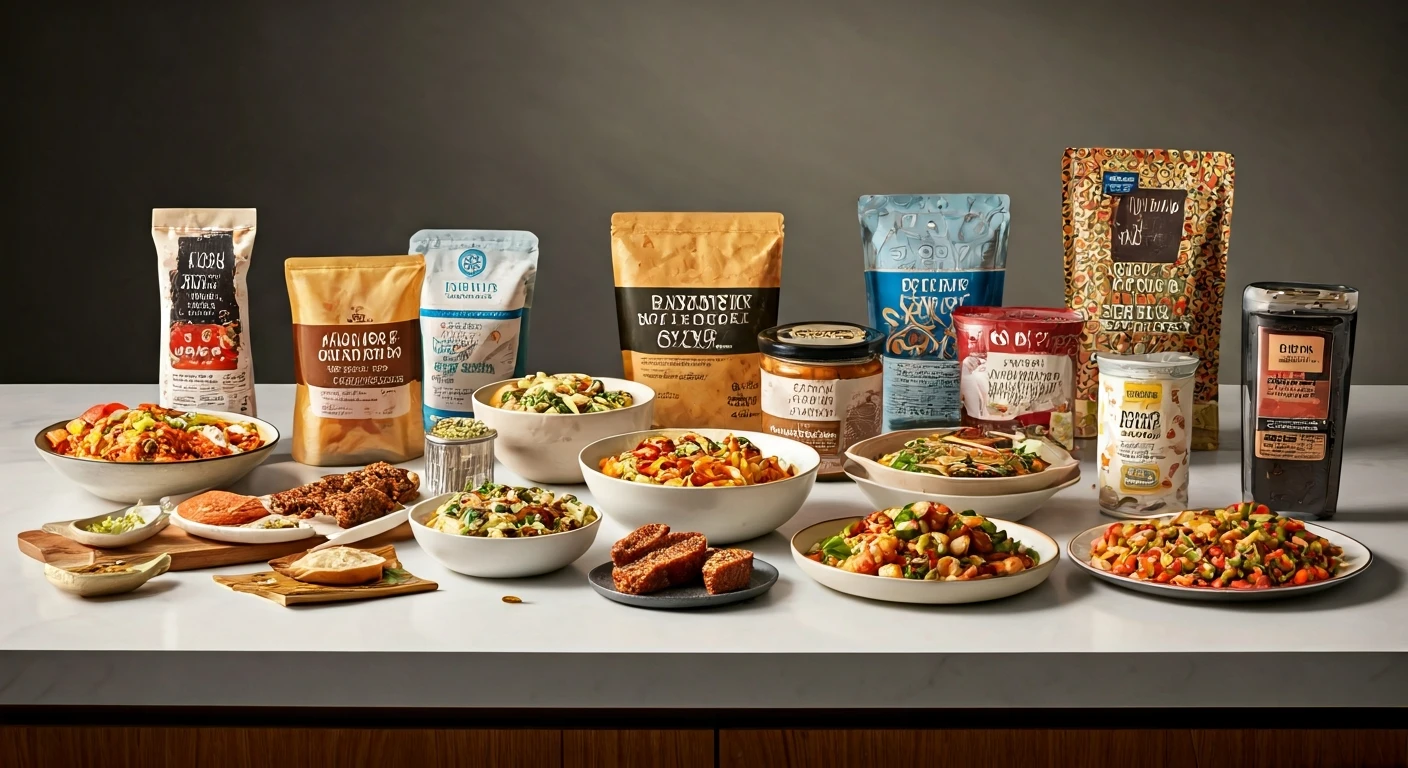
The flex extends far beyond the lunch hour. The modern pantry is becoming a curated gallery of convenient health. Look at the rise of brands that have reinvented staple 'junk' foods into guilt-free alternatives. Magic Spoon offers high-protein, low-carb cereal that mimics childhood favorites. Olipop and Poppi sell prebiotic sodas that promise gut health benefits without the sugar crash. These products are often more expensive than their traditional counterparts, turning the grocery haul itself into a statement. Stocking your fridge with functional beverages and your cupboards with grain-free crackers isn't just about nutrition; it's about participating in a lifestyle. It signals that you are in-the-know, willing to invest in your well-being, and have the disposable income to do so. Your kitchen becomes a showcase of quiet, discerning taste—a speakeasy of curated wellness.
The Performance of Wellness
Ultimately, the rise of the convenient health flex is a story about social signaling. In a digital world, our choices are more visible than ever. Posting a photo of your perfectly balanced meal or a smoothie filled with adaptogens is a form of performance. It communicates, without a single word, a host of desirable traits: you're disciplined, you value self-care, and you have your life together. This isn't necessarily a bad thing. When status is attached to healthier habits, it can create a positive feedback loop, encouraging more people to make better choices and driving companies to create more accessible healthy products. The flex may be performative, but the performance is centered on an arguably positive goal: being well. It's a departure from previous status symbols that often glorified excess and overconsumption, pointing toward a future where what we value most is our own vitality.