




The Penny Test: Your First Defense
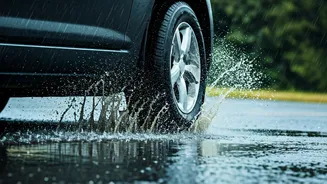
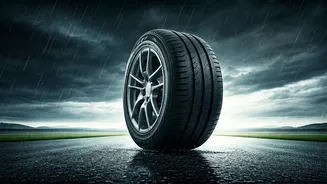
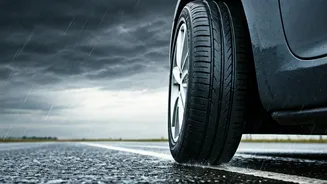
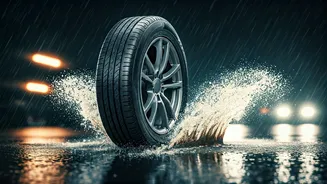
The single most important check before heading into a storm involves your tires and a penny. Your tires are your car's only connection to the road, and in wet conditions, their ability to channel water away is critical. When they can't, your car can hydroplane—skimming
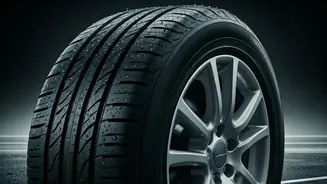
uncontrollably across a thin layer of water. This is where President Lincoln comes in. Take a standard U.S. penny and place it upside down in several of your tire's tread grooves. If you can see the top of Lincoln's head, your tread is worn down to a dangerous level (less than 2/32 of an inch) and it's time to replace your tires. The deeper tread on healthy tires acts like a squeegee, pushing water out from under the tire to maintain grip. A tire with insufficient tread can’t clear water fast enough, dramatically increasing your stopping distance and risk of losing control on slick pavement. Checking all four tires takes less than a minute and is the most effective thing you can do to prepare for wet roads.
The Wiper Test: See and Be Seen
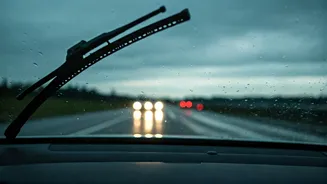
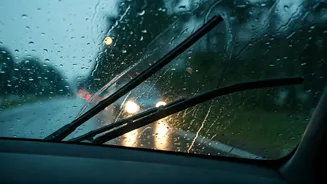
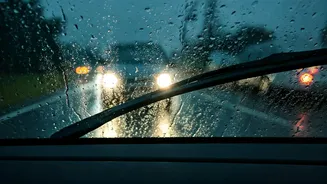
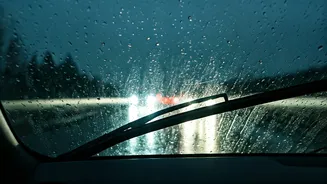
If you can’t see the road, you can’t drive safely. Your windshield wipers are your front line of defense against blinding rain. Yet we often forget about them until they fail us in a downpour. A quick check is easy: Are they streaking, smearing, or skipping across the glass? Do you hear a chattering or squeaking sound as they move? Inspect the rubber blades themselves. Are they cracked, brittle, or peeling away from the arm? If you answer yes to any of these, it’s time for a new pair. Wiper blades are inexpensive and one of the easiest DIY car maintenance jobs. Most auto parts stores will even install them for you for free or a small fee. Don't wait for a storm to discover your wipers are shot. A clear field of vision is non-negotiable, especially when visibility is already compromised by rain and road spray.
Washer Fluid: The Unsung Hero
Rain isn’t the only thing that obstructs your view. The grimy spray kicked up by the cars in front of you can create a film on your windshield that wipers alone can’t clear. This is where your windshield washer fluid comes in. It might seem minor, but running out of fluid during a rainy drive can be instantly blinding and dangerous. Before you head out, make it a habit to pop the hood and check your washer fluid reservoir. It's usually a translucent tank with a windshield/water symbol on the cap. If it’s low, top it off. For an extra edge, consider using a washer fluid with a rain-repellent additive. These formulas, like Rain-X, not only clean your windshield but also leave behind a hydrophobic coating that causes water to bead up and roll right off, significantly improving visibility even before you turn your wipers on.
A Quick Light Check
In a storm, being seen is just as critical as seeing. Heavy rain and spray can dramatically reduce the visibility of your vehicle to other drivers. Before you get in the car, do a quick walk-around. Turn on your headlights (not just your automatic daytime running lights) and check that both are working. Tap your brakes and, if possible, have someone confirm your brake lights are functional, or check their reflection in a garage door or storefront window. Finally, check your turn signals. Properly functioning lights are essential for communicating your intentions—braking, turning, changing lanes—to the drivers around you. This thirty-second routine ensures you remain a visible, predictable presence on the road, reducing the chances of a rear-end collision or a lane-change accident in low-visibility conditions.