


How to Find the Ringed Planet
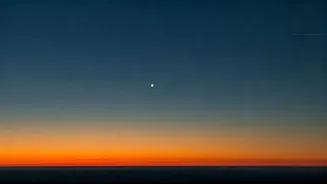
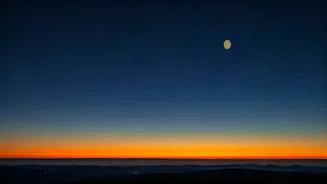
Spotting Saturn is easier than you might think, and you don’t need to be an astronomy buff to do it. The key is timing and direction. For the next several weeks, the gas giant will be visible in the hour or so before sunrise. Your best bet is to find
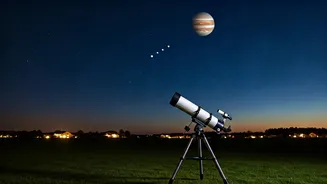
a viewing spot with a clear view of the southeastern horizon, away from the worst of city light pollution if possible. Look for a point of light that shines with a steady, unwavering gleam. Unlike stars, which twinkle because their light is distorted by Earth’s atmosphere, planets tend to shine with a more constant light because they are much closer to us and appear as tiny discs rather than single points. Saturn will look like a moderately bright, yellowish dot. To be absolutely sure, you can use a free stargazing app on your phone (like SkyView Lite or Stellarium). Just point your phone at the sky, and the app will identify everything for you, taking all the guesswork out of your pre-dawn sky safari.
Why the Golden Glow?
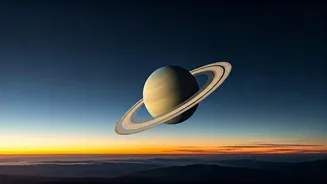
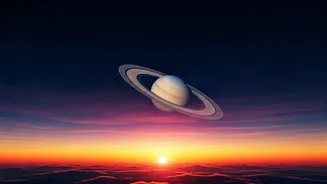
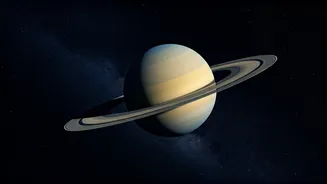
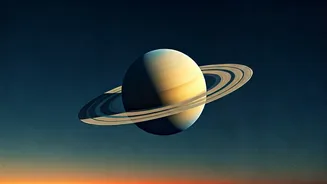
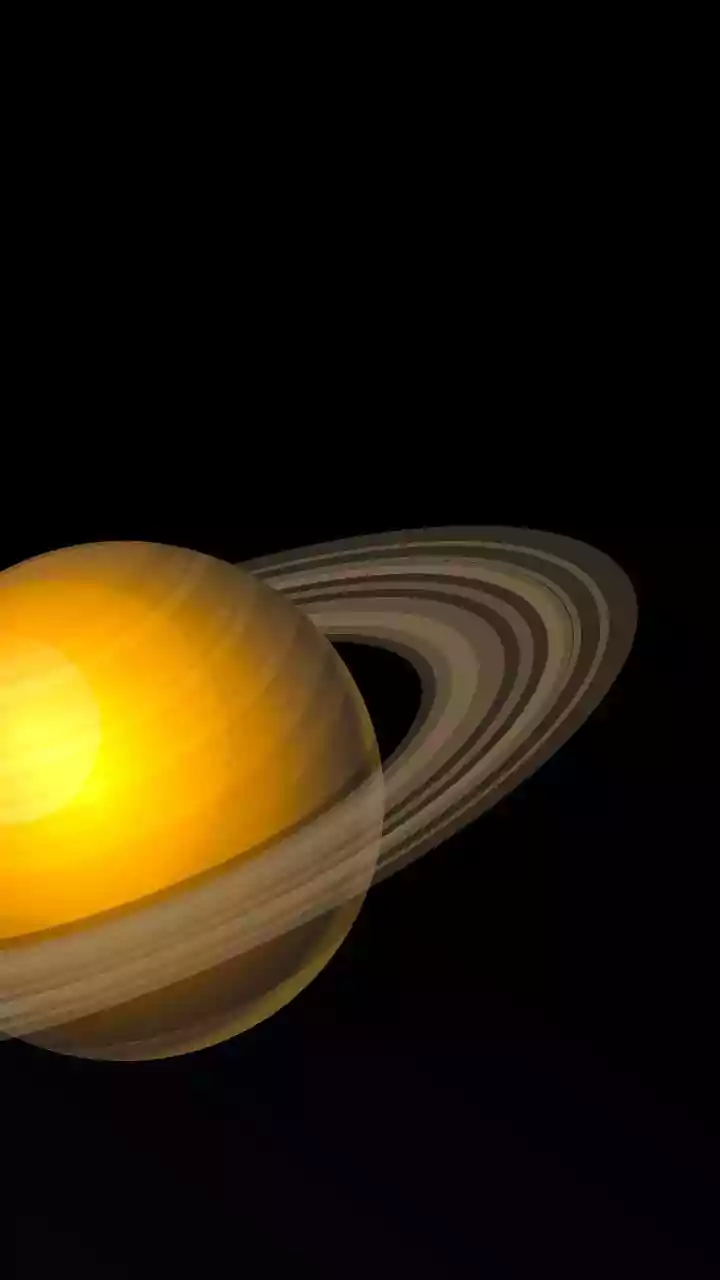
So, why does Saturn have that distinct buttery-yellow color? The answer lies in its atmosphere. The planet is a gas giant, and its upper atmosphere is full of ammonia ice crystals. These crystals are fantastic at reflecting sunlight, but they don't reflect all colors equally. They tend to scatter blue light and reflect yellow and red wavelengths more effectively, giving the planet its overall pale-yellow appearance from our vantage point millions of miles away. Think of it like a cosmic version of why our sunsets are red. As sunlight passes through Earth’s atmosphere, blue light gets scattered away, leaving the warmer colors. A similar, though chemically different, process happens on a planetary scale with Saturn. When you see that golden dot, you’re not just seeing a planet; you’re seeing sunlight that has traveled 93 million miles to Saturn, bounced off its ammonia clouds, and then journeyed another 800 million miles or so to reach your eyes right before your morning coffee.
Do You Need a Telescope?
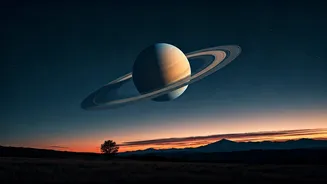
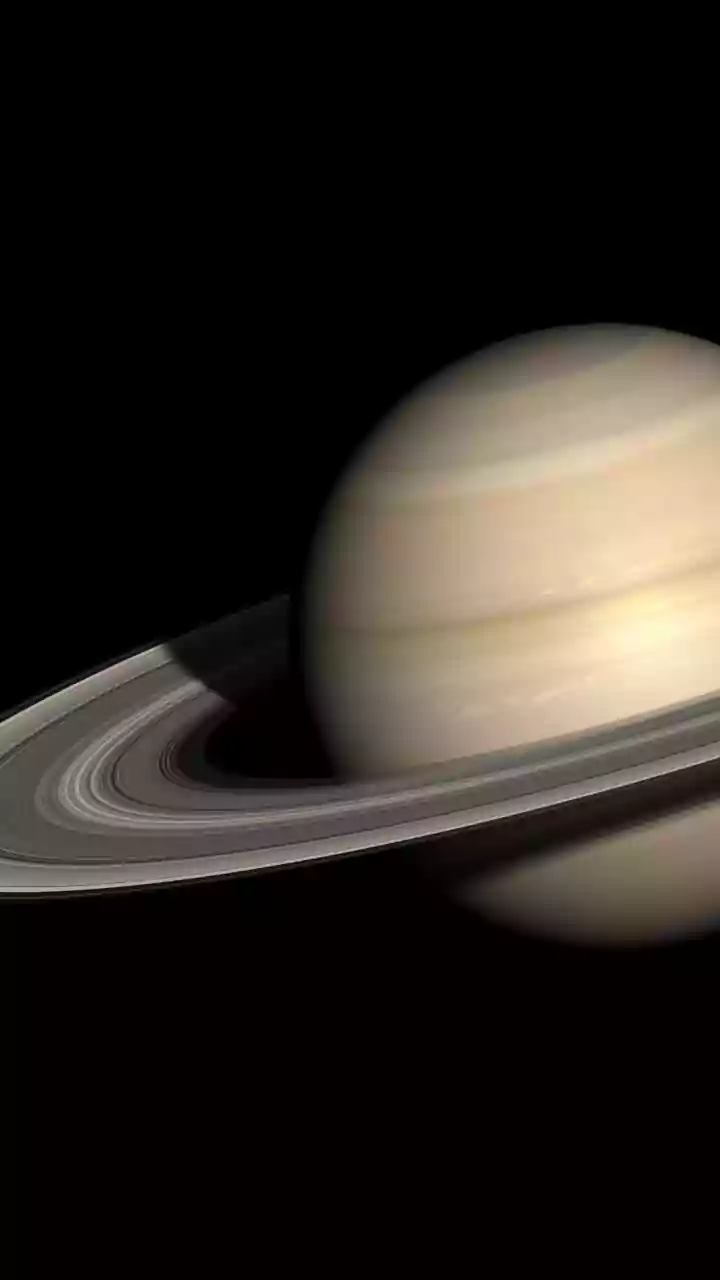
To the naked eye, Saturn will appear as a bright, star-like object. This is a perfectly rewarding experience in itself. But if you have a pair of good binoculars, you can get a slightly better view. While they won't be powerful enough to resolve the famous rings, they will help stabilize the view and might even reveal Saturn’s largest moon, Titan, as a tiny pinprick of light nearby on a very clear night. To see the main event—Saturn's iconic rings—you will need a telescope. But don't be discouraged if you don't own one. Even a small, entry-level telescope with around 50x magnification can reveal the rings as a distinct structure separate from the planet. They might look like tiny “handles” on the side of the planetary disc. It’s a breathtaking sight that transforms Saturn from a simple point of light into a three-dimensional world floating in the blackness of space. Check with local astronomy clubs, as many host public viewing nights with telescopes powerful enough to give you a spectacular view.
Who Else Is in the Neighborhood?
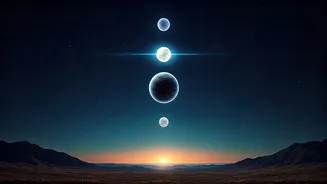
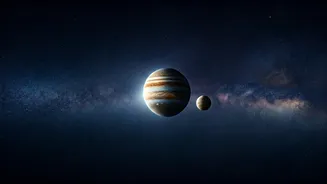
While you’re up early looking for Saturn, you might as well see who else is hanging out in the pre-dawn sky. Depending on the time of year, Saturn often shares the stage with other planets. Currently, you may also be able to spot Mars, which will appear as a distinctly reddish point of light, often not far from Saturn in the same patch of sky. In the coming months, the planetary lineup will shift, with Jupiter eventually joining the morning show. This gathering of planets in one part of the sky isn't a mystical alignment; it's just a matter of orbital mechanics. As the planets orbit the sun at different speeds, our line of sight from Earth causes them to appear to cluster together or drift apart. This ever-changing celestial dance is what makes stargazing so rewarding—the view is a little different every night.