


The Great Fitness Burnout
For years, the wellness world has been dominated by a singular, punishing narrative: go harder, get faster, and look better. Social media feeds became highlight reels of six-pack abs achieved in 30 days, marathons run with minimal training, and grueling
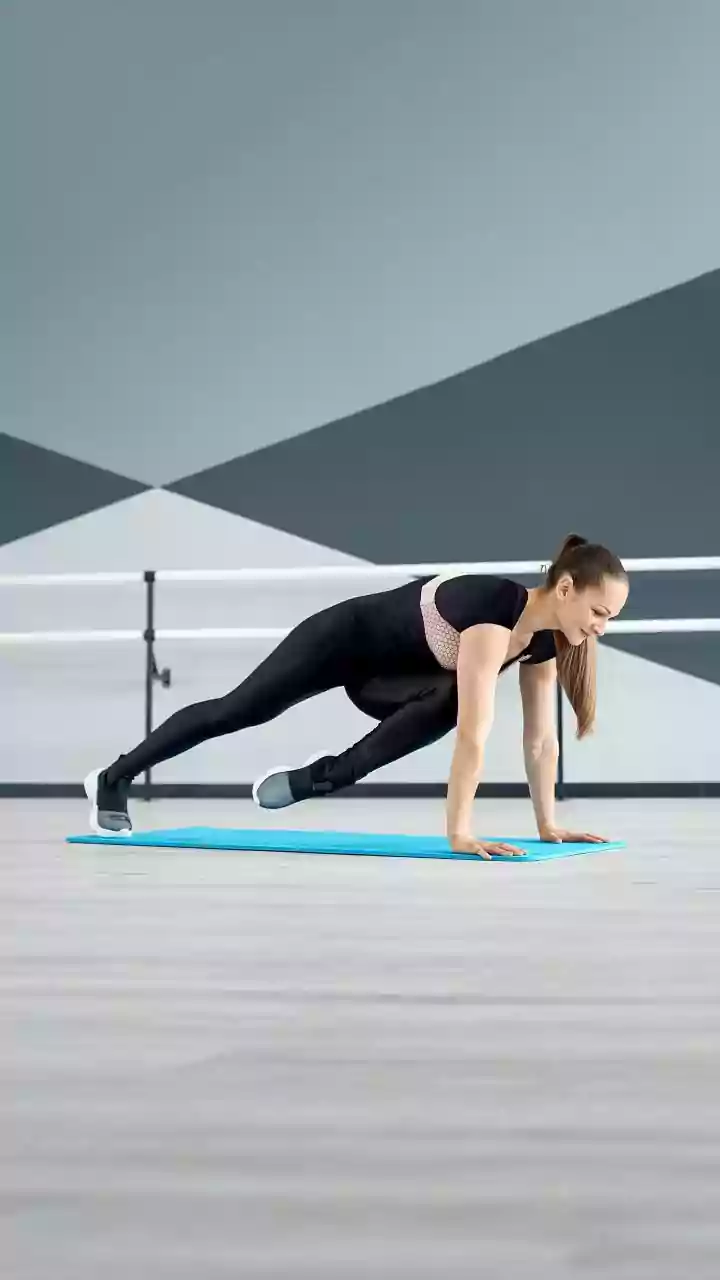
'before-and-after' transformations that set an impossibly high bar. The 'New Year, New You' industrial complex conditioned us to believe that health was a mountain to be conquered, usually through deprivation and exhaustion. The problem? It doesn’t work. For the vast majority of people, these extreme, outcome-based goals lead not to success, but to burnout, injury, and a profound sense of failure. This cycle of intense motivation followed by a crash has left many people feeling like fitness just isn't for them. But the issue was never the person—it was the goal.
From Aesthetics to Longevity
A quiet rebellion has been brewing, and it's finally going mainstream. The new philosophy pivots away from aesthetics and toward something far more meaningful: feeling good. This isn't about giving up; it's about redefining the win. Instead of chasing a specific look, the focus is shifting to function, longevity, and mental health. The new questions are: Can I carry my groceries without my back aching? Do I have the energy to play with my kids? Does this movement reduce my stress? This mindset swaps the fleeting high of hitting a weight on a scale for the durable satisfaction of building a body that serves you well for decades. It acknowledges that physical and mental health are inextricably linked. A 20-minute walk that clears your head is no longer seen as a 'failure' compared to a grueling hour-long HIIT class, but as a victory in its own right. It’s a move from self-punishment to self-care.
Meet 'Cozy Cardio' and Mindful Movement
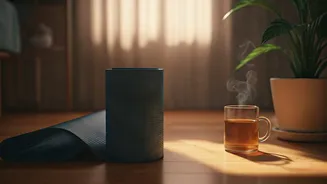
This new ethos has spawned a wave of approachable, even joyful, fitness trends. Enter 'cozy cardio,' a viral concept where people hop on a treadmill or stationary bike in their pajamas, light a candle, and watch their favorite show. It reframes exercise from a chore to a comforting ritual. Similarly, 'soft workouts' or 'mindful movement'—like stretching, tai chi, or gentle yoga—are gaining popularity for their ability to connect mind and body without the high-impact stress. The emphasis is on consistency over intensity. The fitness influencers gaining traction are no longer just the super-shredded athletes but also the relatable creators who talk about 'movement snacks' (short bursts of activity throughout the day) and the power of a simple daily walk. This isn’t laziness; it’s strategy. By lowering the barrier to entry, these approaches make it easier to build a habit that sticks.
How to Set Goals You'll Actually Keep
So, how do you break up with unrealistic goals? The key is to focus on the process, not just the prize. Instead of vowing to 'lose 20 pounds,' try a process-oriented goal like, 'I will go for a 30-minute walk three times this week.' This is a goal you have direct control over, and each time you achieve it, you get a small win that builds momentum. Another powerful technique is habit stacking: link your new fitness habit to an existing one. For example, 'After I brush my teeth in the morning, I will do 10 minutes of stretching.' Make it so easy you can’t say no. Maybe your starting goal is just putting on your workout clothes. That's it. More often than not, once you've taken that tiny first step, the next one feels much more manageable. Celebrate consistency, forgive yourself for missed days, and listen to your body. If you're tired, a rest day is productive, not lazy.