





Aggressively Rubbing with a Bath Towel
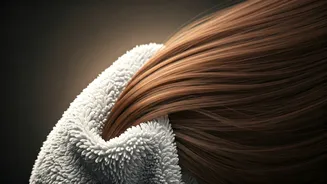
It’s a motion many of us have done since childhood: vigorously rubbing a big, coarse bath towel all over our heads to get the water out fast. Unfortunately, this is probably the most damaging thing you can do to wet hair. When hair is wet, its protective
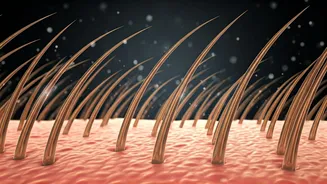
outer layer, the cuticle, is swollen and raised. The friction from a rough towel acts like sandpaper against these vulnerable cuticles, causing them to fray and chip. This leads directly to frizz, split ends, and a dull appearance. Instead of rubbing, gently squeeze or blot the water out of your hair. For an even better approach, swap your plush bath towel for a microfiber hair turban or even an old, soft cotton t-shirt. These materials are smoother and more absorbent, reducing friction and helping to prevent the frizz halo before it starts.
Brushing From Root to Tip
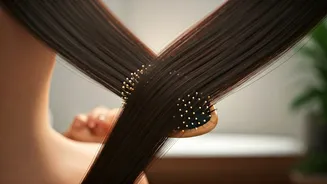
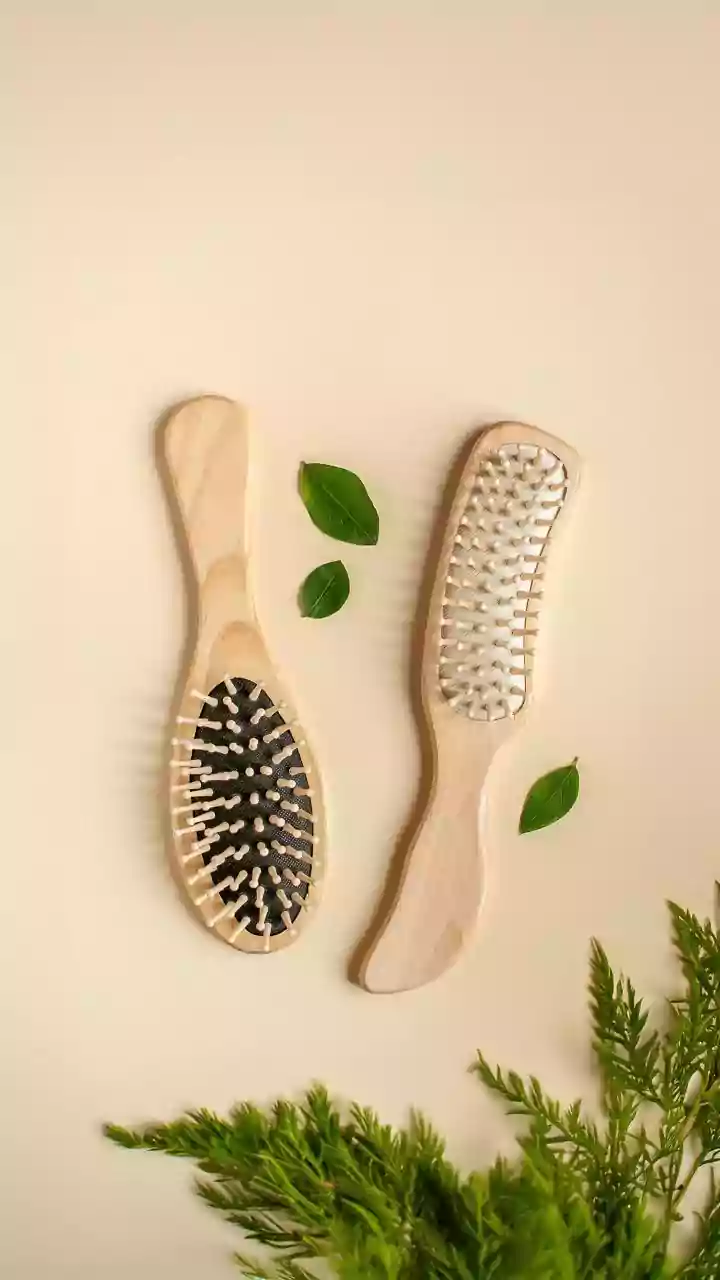
Reaching for a brush and yanking it from your scalp down through tangled ends is a recipe for disaster. Wet hair is incredibly elastic, but that stretchiness has a limit. When you encounter a knot and pull from the root, you put immense tension on the hair shaft, causing it to stretch and snap like a rubber band. This creates breakage mid-strand and can even put stress on the hair follicle itself. To detangle safely, switch to a wide-tooth comb or a brush specifically designed for wet hair. Crucially, change your technique. Start by gently combing through the last few inches of your hair, and once that section is clear, move a few inches higher. Continue this process, working your way up to the roots. This method removes tangles without creating a tug-of-war with your scalp.
Blasting It with High Heat
When you’re in a hurry, it’s tempting to crank your blow-dryer up to its highest heat and speed settings. But applying intense heat to sopping wet hair essentially boils the water within the hair shaft. This can create tiny, damaging bubbles inside the hair fiber, leading to a condition known as “bubble hair,” which makes strands extremely brittle and weak. The golden rule is to never apply high heat to dripping hair. Let it air-dry about 60-70% of the way first, or use the cool setting on your dryer. Always, always apply a heat protectant spray, which creates a barrier between the heat and your hair. When you do use heat, keep the nozzle moving and hold it at least six inches away from your head.
Immediately Tying It Up Tightly
Throwing your wet hair into a tight ponytail or a high bun might get it out of your face, but it puts your strands under serious duress. The combination of the hair’s vulnerable wet state and the tension from the hair tie is a major cause of breakage. The elastic can cut into the swollen hair shaft, and the constant pulling can weaken the hair at the root over time. This is especially true for fine hair, which is more susceptible to this kind of mechanical damage. If you absolutely must put your hair up, wait until it’s at least damp, not soaking wet. Opt for a loose style using a gentle accessory like a silk or satin scrunchie, a spiral hair tie, or a claw clip, which don’t create the same focused tension as a traditional elastic.
Sleeping on Soaking Wet Hair
Hitting the pillow with a head full of wet hair is a bad habit for two key reasons. First, as you toss and turn, the friction between your hair and your pillowcase causes breakage and tangles, just like a rough towel. You'll often wake up with more knots than you went to bed with. Second, a damp scalp pressed against a pillow for hours creates a warm, moist environment—the perfect breeding ground for fungus and bacteria. This can lead to scalp irritation, dandruff, and other unwelcome issues. If you shower at night, try to do it early enough to let your hair air-dry completely. If that’s not possible, at least focus on drying your roots with a blow-dryer on a low setting. For extra protection, sleeping on a silk or satin pillowcase can also reduce friction and be gentler on your hair, whether it’s wet or dry.