





Ignoring Your Wipers and Tires
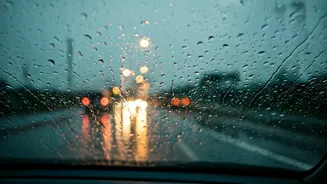
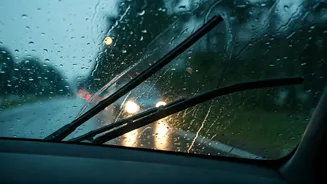
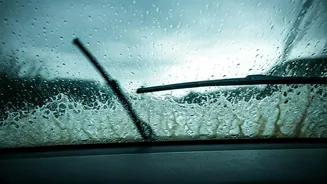
This is the cardinal sin of rainy-season driving. Your tires and wiper blades are your first and last lines of defense against a storm. Worn-out wiper blades don't clear water; they smear it, turning your windshield into a blurry, dangerous mess that
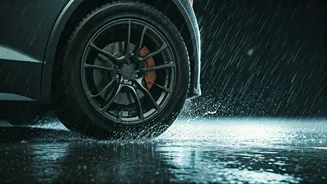
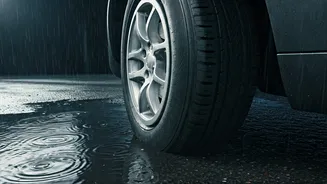
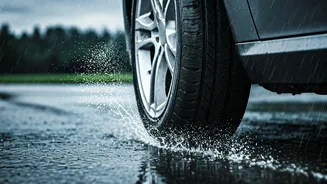
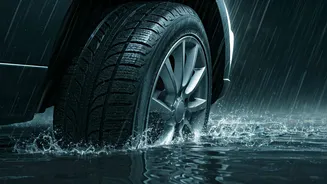
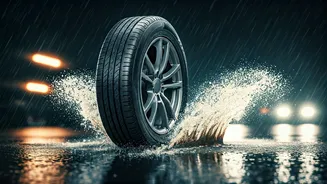
obstructs your view of brake lights and road hazards. Meanwhile, your tires are designed with deep grooves (treads) to channel water away from the contact patch, keeping you connected to the road. When tread is low—below 4/32 of an inch—your tires can’t disperse water fast enough, dramatically increasing your risk of hydroplaning. Before the season starts, check your blades for cracking and replace them if they leave streaks. Use the “penny test” on your tires: if you can see all of Lincoln’s head when a penny is inserted upside down into the tread, it’s time for new rubber.
Using Cruise Control in the Rain
Cruise control is a fantastic feature for long, dry highway stretches, but it becomes a serious liability in wet conditions. The system is designed to maintain a constant speed. If you start to hydroplane—losing contact with the road surface due to a layer of water—your car will technically slow down. Cruise control will interpret this as a need to accelerate to maintain its set speed. This is the absolute last thing you want to happen when your tires have no grip. A sudden burst of power to the wheels during a hydroplane can send your car into an uncontrollable spin. When the skies open up, switch off cruise control and keep your foot in charge of the accelerator. It allows for the subtle, immediate adjustments needed to navigate slick roads safely.
Underestimating Standing Water
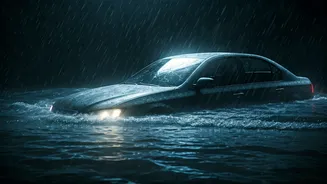
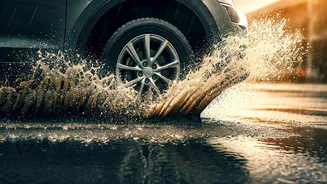
That large puddle might look harmless, but it’s one of the biggest gambles you can take. It’s impossible to know its true depth or what lies beneath the surface. As little as six inches of water is enough to reach the bottom of most passenger cars, causing a loss of control or stalling your engine. A foot of water can float many vehicles, and two feet of rushing water can carry away most vehicles, including SUVs and pickups. Furthermore, driving through deep water at speed can force it into your engine’s air intake, leading to catastrophic and costly engine damage known as hydrolock. The official advice from the National Weather Service is simple and effective: “Turn Around, Don’t Drown.” If you can't see the road, find another route.
Following Other Cars Too Closely
Tailgating is always a bad idea, but it’s especially reckless in the rain. Your car’s stopping distance significantly increases on wet pavement—sometimes by as much as two or three times the normal distance. The spray kicked up by the vehicle in front of you also reduces your visibility, making it harder to react to sudden stops. The standard “three-second rule” for following distance should be doubled to at least five or six seconds in wet weather. To check your distance, watch the car ahead of you pass a fixed object like a signpost or overpass. Then, count the seconds it takes for your car to reach the same spot. If it’s less than five, you’re too close. This buffer zone gives you the time and space needed to brake smoothly and avoid a collision.
Panicking When You Hydroplane
The feeling of your car suddenly gliding on water—disconnected from the road and unresponsive to the steering wheel—is terrifying. The instinctive reaction is to slam on the brakes or jerk the wheel, but both actions can make the situation much worse. Braking hard can lock the wheels, and yanking the wheel can cause you to swerve violently once the tires regain traction. The correct response is counterintuitive: stay calm. Gently ease your foot off the accelerator. Do not brake. Keep the steering wheel pointed straight ahead or make only very slight steering adjustments in the direction you want the car to go. As the car slows down, the tires will regain contact with the pavement, and you will feel control return. The key is to make no sudden moves.
Forgetting About Your Headlights
In many states, it’s the law: if your wipers are on, your headlights should be on, too. This isn't just about helping you see the road; it's about helping other drivers see you. Heavy rain and road spray create a low-visibility environment where a gray or silver car can easily disappear into the background. Turning on your headlights makes your vehicle stand out to oncoming traffic and to drivers checking their mirrors. It’s a simple, passive safety measure that dramatically reduces the risk of a collision. Don't rely on daytime running lights, as they often don't illuminate your tail lights. Switch your headlights to the full “on” position to ensure you are visible from all angles.