

The Closing Window
The scene outside Gir National Park’s reception center is one of organized chaos. A long line of open-topped Maruti Suzuki Gypsys—the official safari vehicle, painted a dusty green—waits for permits. Tourists, armed with telephoto lenses and sun hats,
fan themselves in the humid, pre-monsoon heat. There’s an undeniable urgency in the air, a shared understanding that the clock is ticking. Every year on June 16th, the gates of Gir—the last wild home of the Asiatic lion—swing shut. They won’t reopen until mid-October. This deadline transforms the final weeks of the season into a pilgrimage for wildlife lovers from across India and the world. They are all here for one reason: a chance to lock eyes with royalty before the curtain of rain falls and the kingdom closes to outsiders.
A Kingdom of One
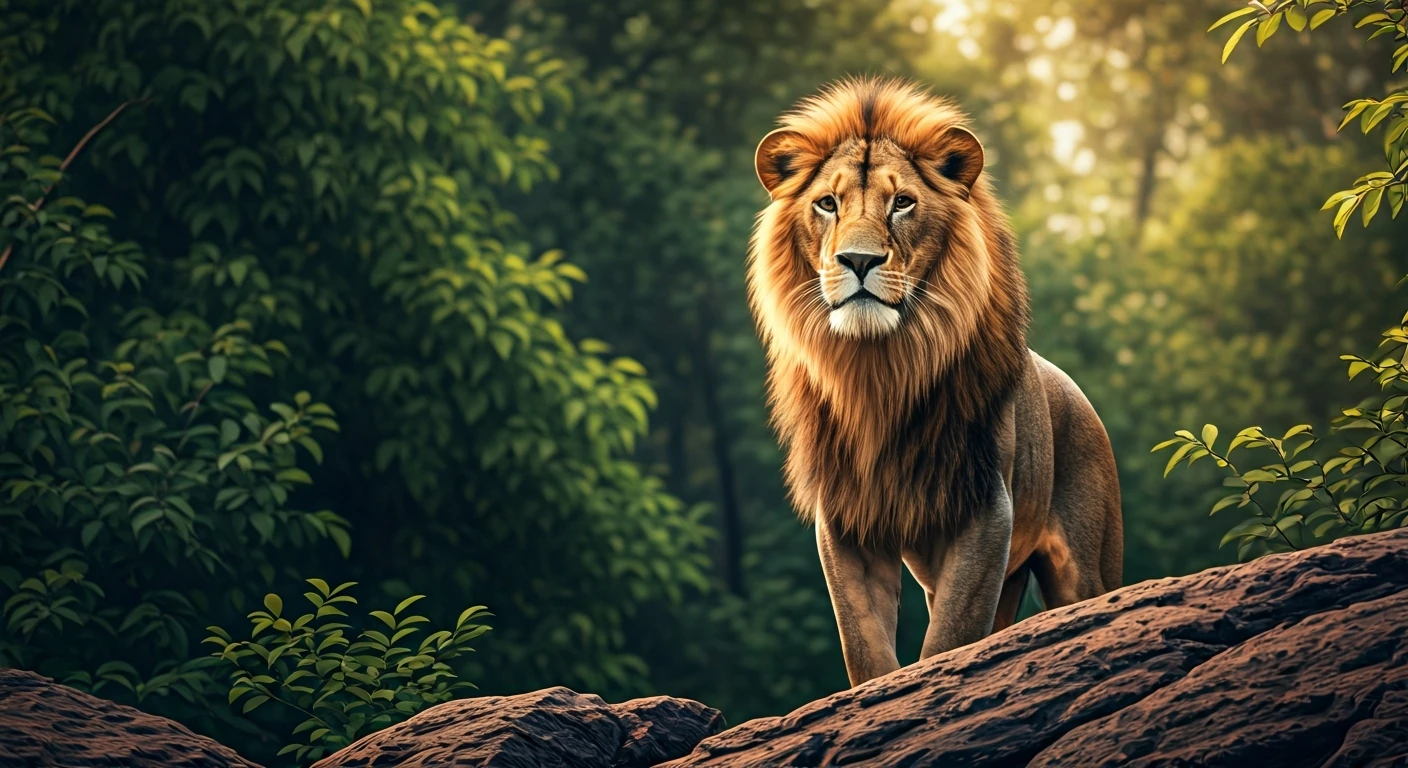
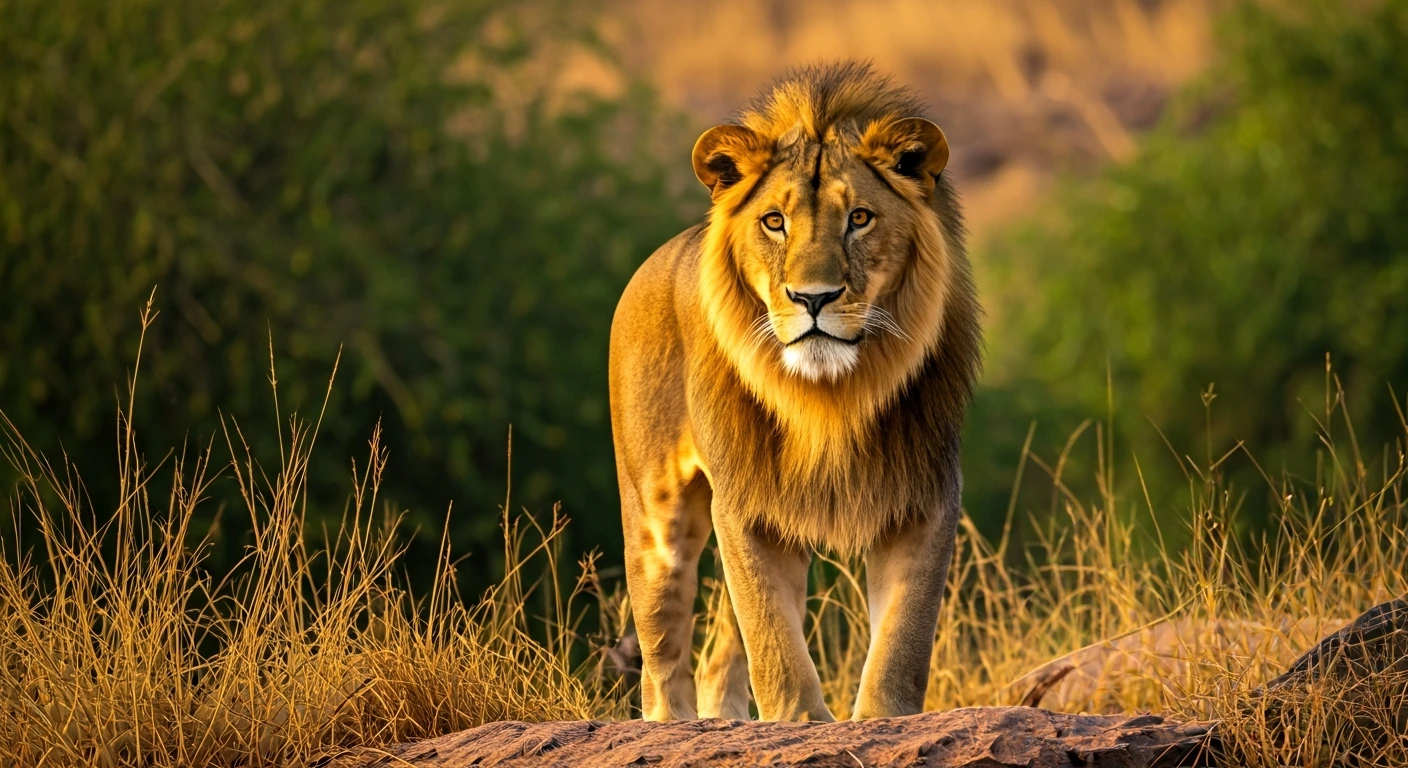
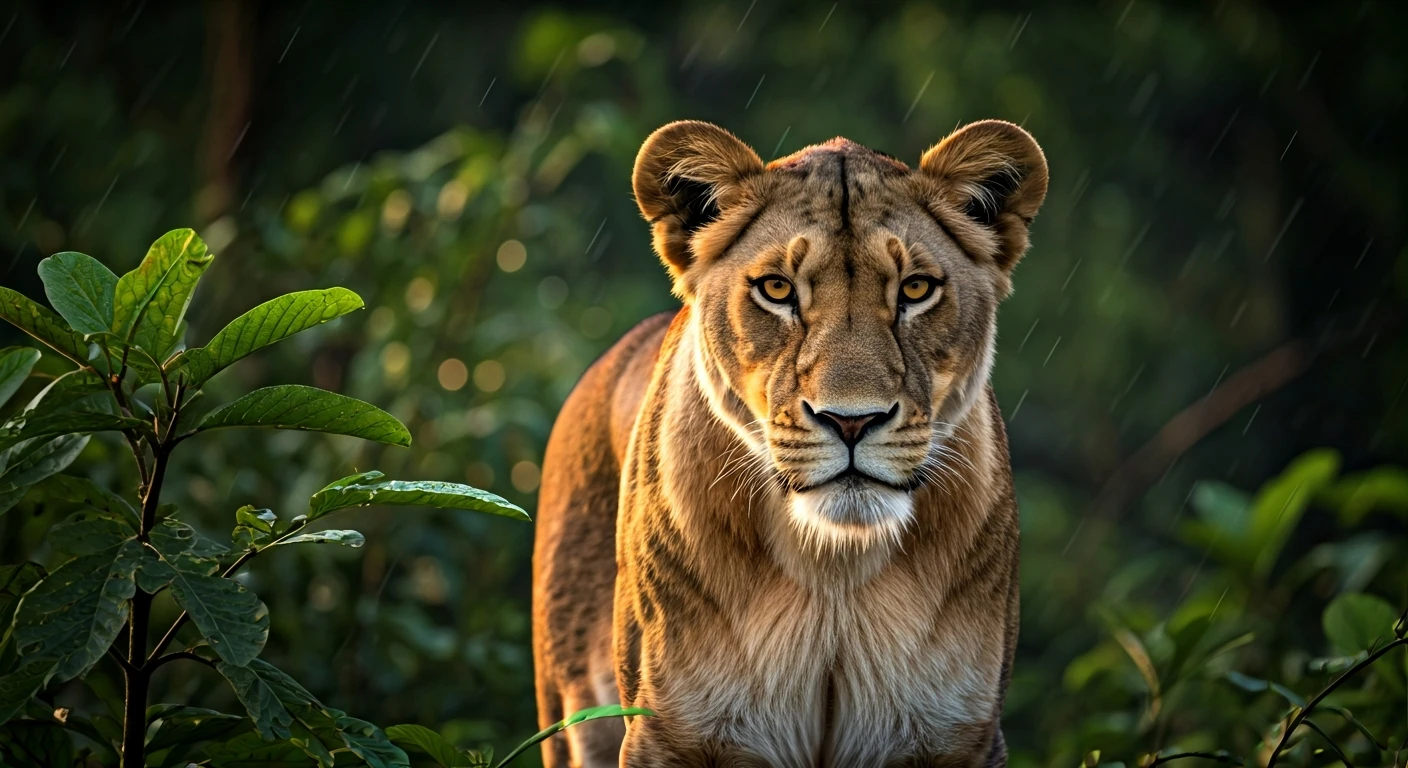
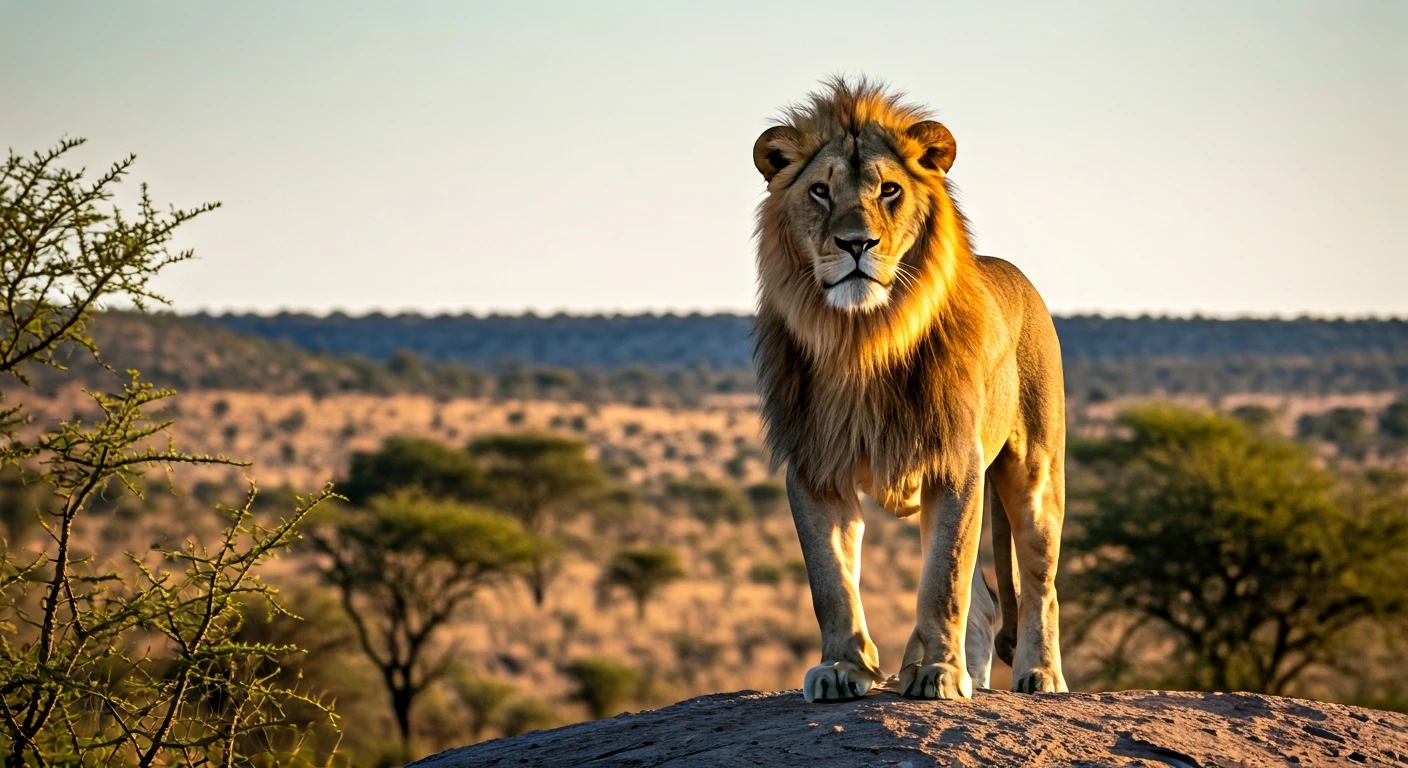
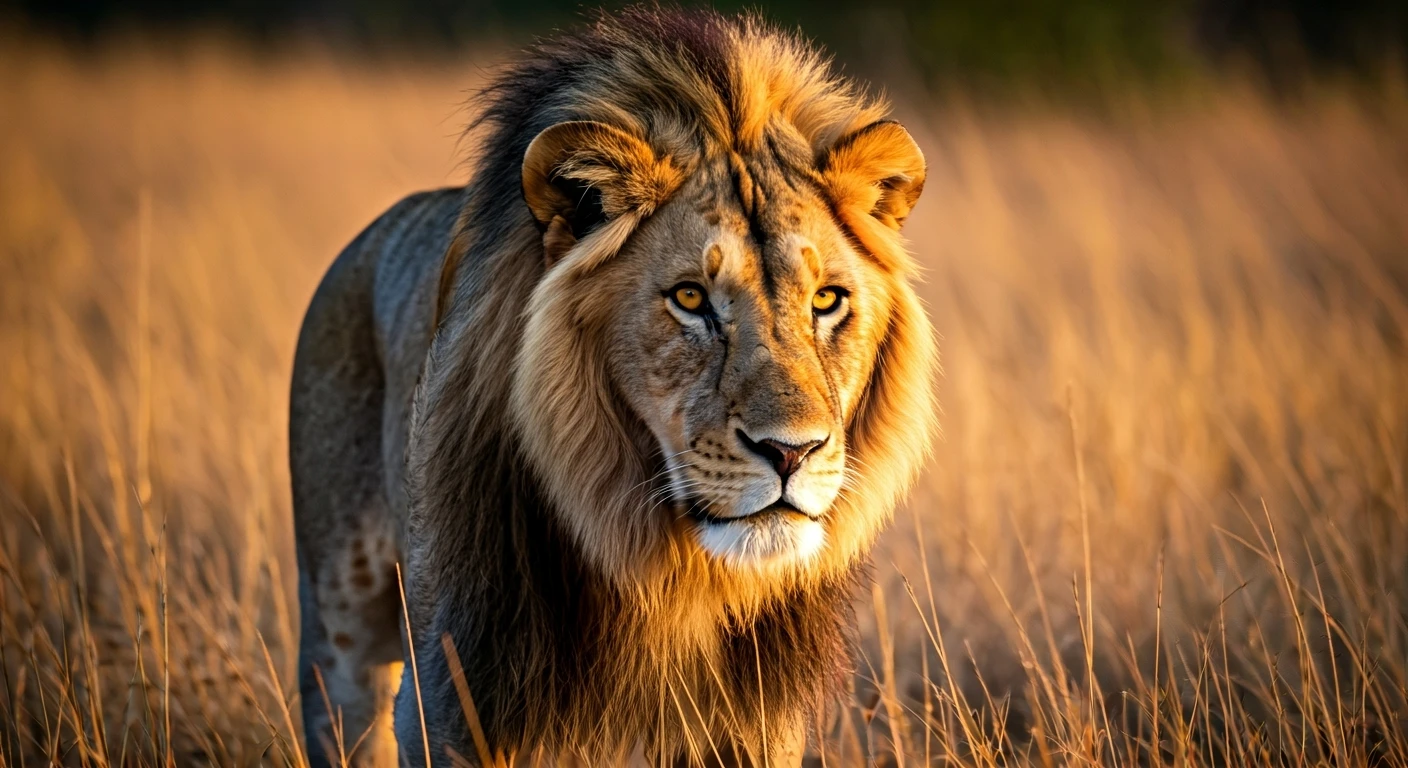
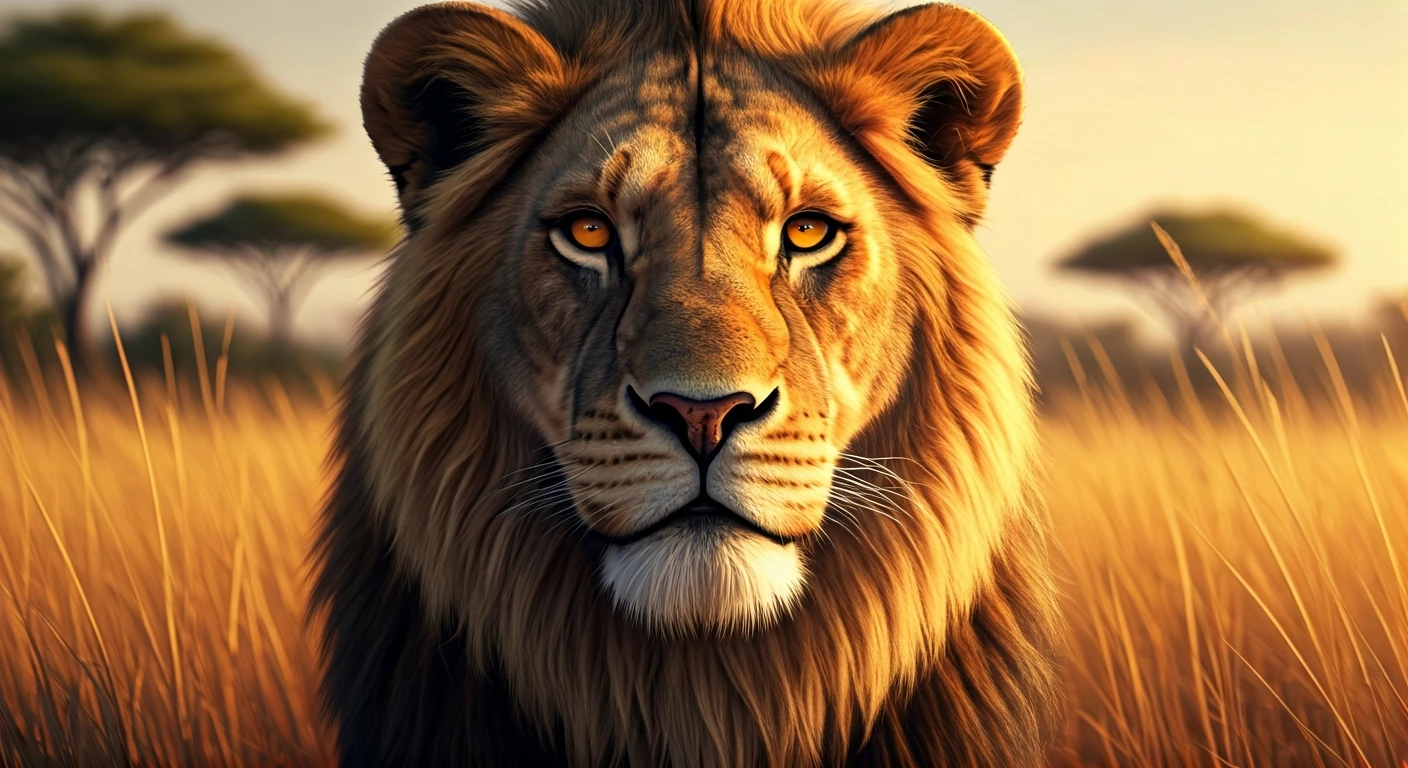
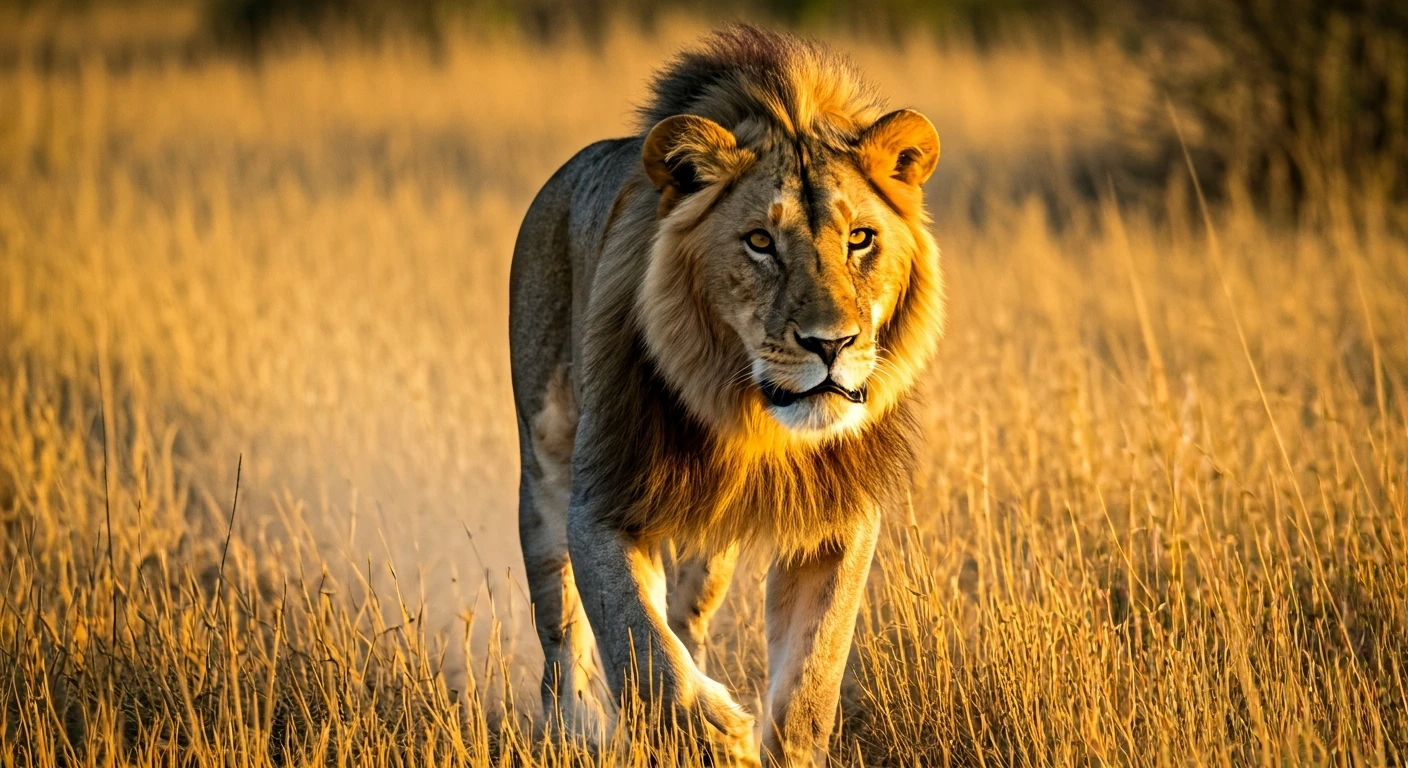
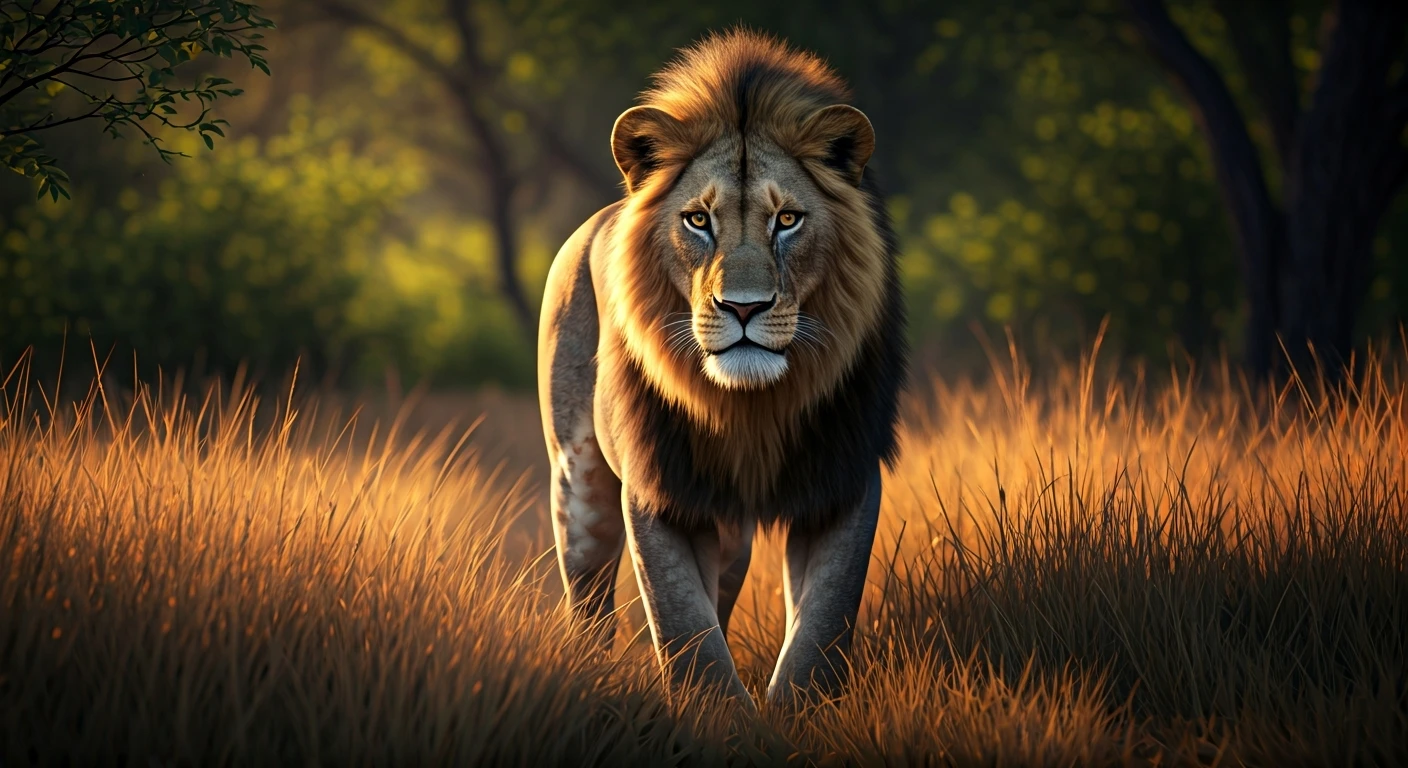
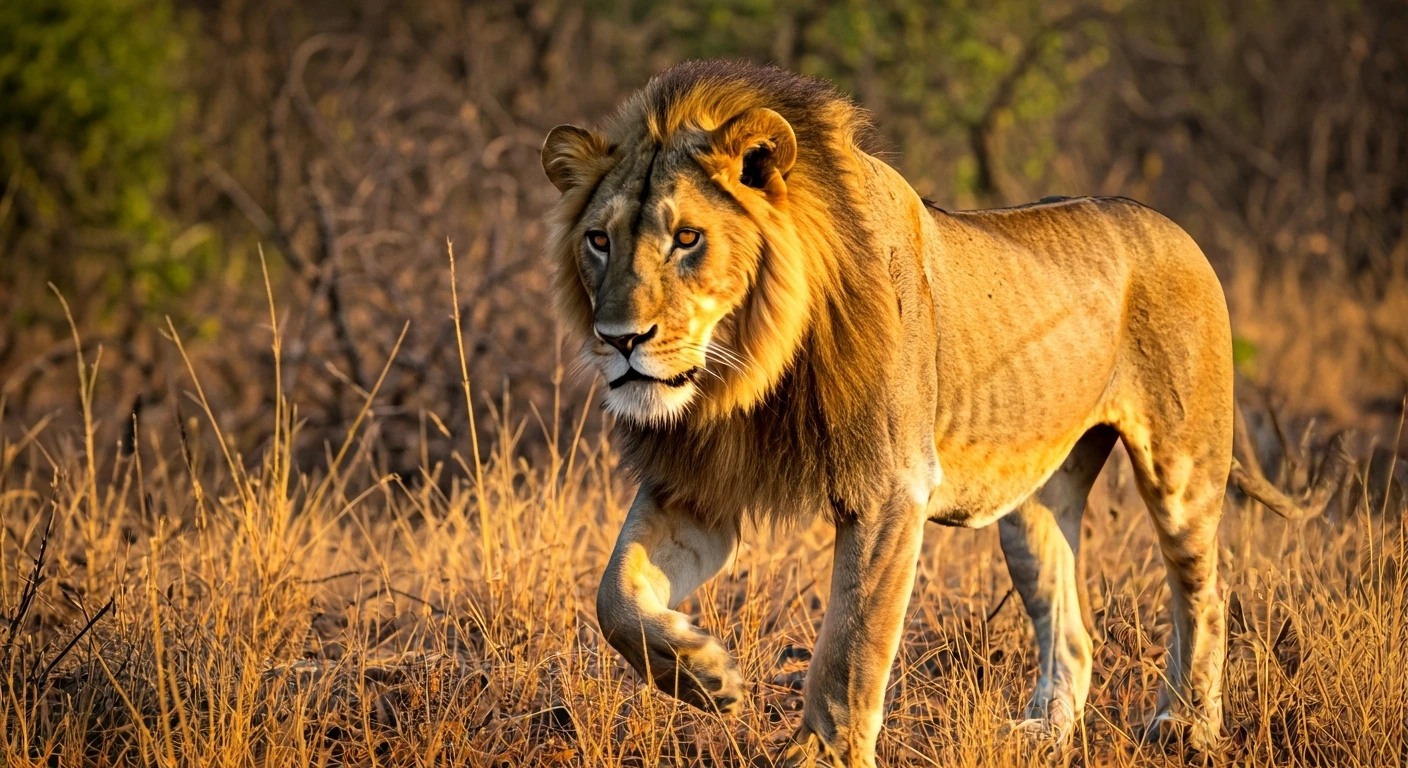
To understand the rush, you must understand the stakes. This isn't just another safari. The lions of Gir are not their more numerous African cousins. These are Asiatic lions (*Panthera leo leo*), a distinct subspecies that once roamed from the Middle East to Eastern India. By the early 20th century, hunting and habitat loss had pushed them to the brink, with fewer than 20 individuals clinging to survival in this single forest, protected by the Nawab of Junagadh. Today, thanks to one of the world's most successful conservation stories, their numbers have rebounded to over 670. But their entire wild population still lives in this one ecosystem. A sighting here is not just a thrill; it’s an encounter with a creature that stared into the abyss of extinction and, against all odds, survived. When a guide’s hushed voice points toward a lioness resting in the shade of a teak tree, the jeeps fall silent. The whir of cameras is the only sound, a modern form of reverence for an ancient predator.
The Monsoon's Mandate
The park’s four-month closure isn’t arbitrary; it’s a biological necessity. The monsoon is the lifeblood of this dry, deciduous forest. The torrential rains will transform the dusty tracks into impassable rivers of mud, cutting off access for vehicles and giving the landscape a much-needed reprieve from human traffic. Waterholes will be replenished, the parched earth will erupt in a carpet of green, and the forest will enter a period of quiet rejuvenation. For the lions and other wildlife, this is a time of peace. It’s the primary breeding season, a chance for mothers to raise cubs in seclusion, away from the rumble of engines and the curious gaze of tourists. The closure ensures the long-term health of the very ecosystem that visitors flock to see, a forced reset that prioritizes the needs of the animals over the demands of tourism.
Guides, Gamblers, and Grace
For the local guides and drivers, many of whom are from the Maldhari community that has coexisted with lions for centuries, this final rush is the busiest time of year. They are masters of this landscape, reading tracks in the dust and listening for the alarm calls of deer that signal a predator’s presence. They manage the expectations of anxious tourists, understanding that the forest offers no guarantees. Every safari is a gamble. Some jeeps return with jubilant occupants, their memory cards filled with images of a majestic male roaring or cubs playfully tumbling. Others return with only stories of near-misses and the haunting beauty of the forest itself. Yet even an unsuccessful trip carries a certain grace. It’s a reminder that this is a wild place, not a zoo. The lions are on their own schedule, and the privilege lies not in the sighting, but in the chance to enter their world, however briefly.