

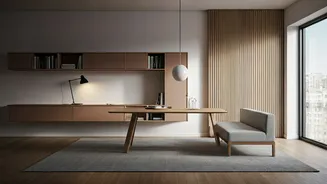
The 9-to-5 Corner Office
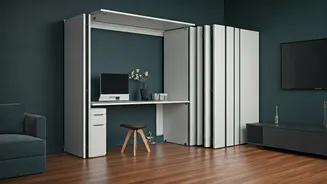
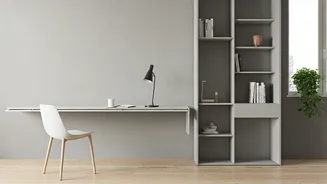
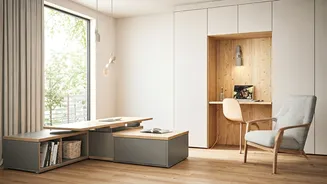
The most significant new job for our multi-purpose rooms is, without a doubt, the full-time office. The commute from the bedroom to the living room couch or dining table became a national punchline, but it also became a permanent reality for a huge portion
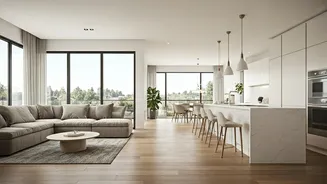
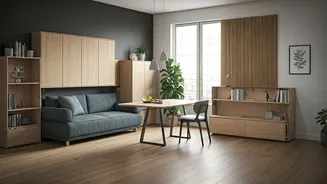
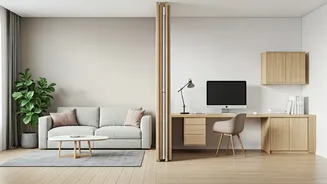
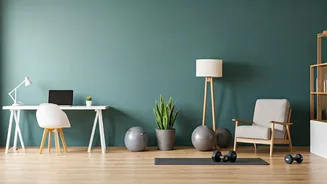
of the workforce. This isn't just about propping a laptop on a stack of books anymore. We’ve seen a boom in sales for space-saving standing desks, ergonomic chairs that don’t scream “corporate cubicle,” and elegant room dividers. Designers and architects report a massive increase in clients asking for a “Zoom-ready” corner, a space with good lighting and an interesting, non-distracting background. The open-concept floor plan, once the pinnacle of modern design, is suddenly being questioned. Why? Because when one person is on a critical video call, the other person can’t exactly run the blender for a smoothie ten feet away. The need for defined zones, even within a single room, has become paramount.
The In-House Fitness Studio
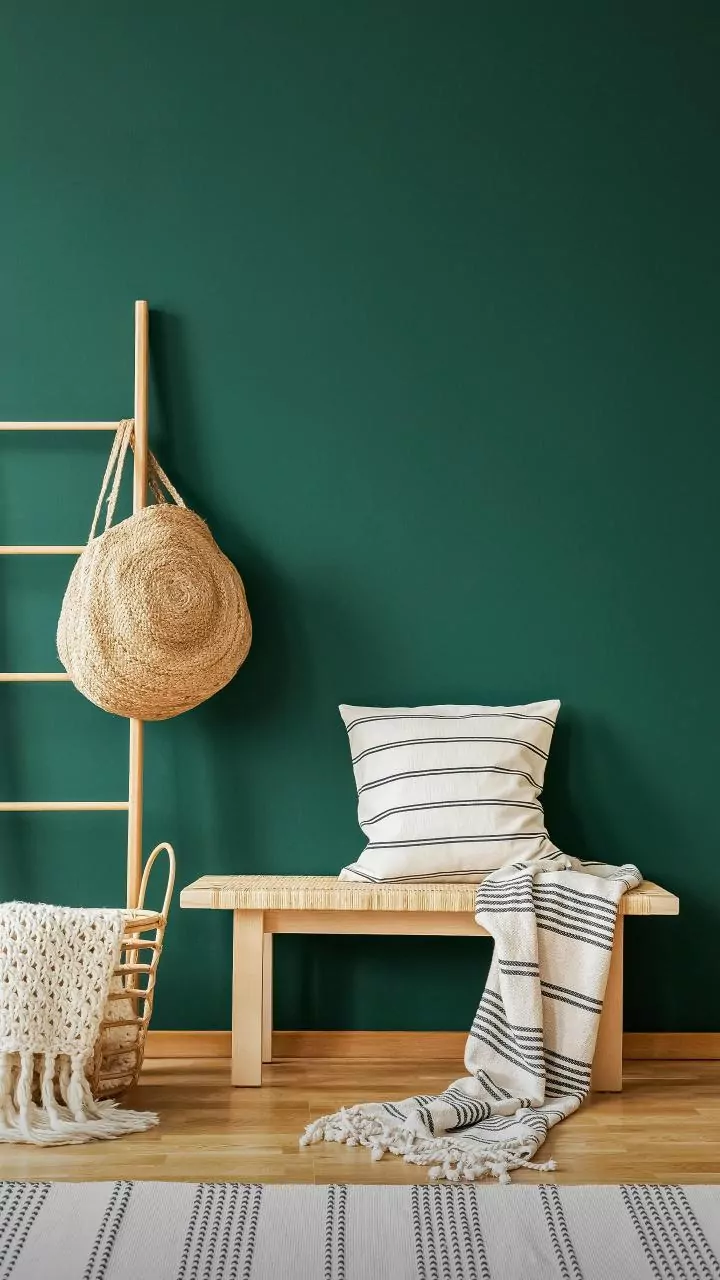
When gyms closed, living rooms rolled up their rugs to make way for yoga mats, stationary bikes, and streaming fitness classes. What started as a temporary fix has morphed into a permanent lifestyle choice for many. The Peloton bike in the corner of the guest room or the set of weights tucked behind the sofa are now common features of the American home. This shift has created a new design challenge: how do you integrate bulky, often utilitarian fitness equipment into a space meant for relaxation and socializing? Companies have responded with sleeker, more aesthetically pleasing gear—think wooden water-rowers and minimalist weight racks. We’ve also learned to be clever. Ottomans and benches with hidden storage are perfect for stashing resistance bands and yoga blocks, while smart mirrors like Tonal or Mirror double as unassuming decor when not in use. The home gym is no longer a luxury relegated to a spare basement; it’s a non-negotiable feature squeezed into our primary living areas.
The Pop-Up Classroom and Play Zone
For families, the great room or dining room also became the new schoolhouse. The dining table, once reserved for meals, was suddenly covered in textbooks, laptops, and art supplies from morning until afternoon. While most children have returned to in-person school, the muscle memory remains. Homes are now better equipped for homework, virtual tutoring sessions, and creative projects. We’ve invested in better task lighting, more accessible outlets, and furniture that can be easily wiped down. More importantly, this period taught us the importance of delineating a “school zone” from a “play zone,” even if they occupy the same square footage. A simple change, like putting away the school supplies in a designated bin and pulling out a basket of toys, signals to a child that the “workday” is over. This ritual of transforming the space helps maintain boundaries and protects the room’s primary identity as a place for family connection, not just coursework.
The After-Hours Social Club
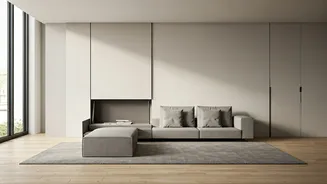
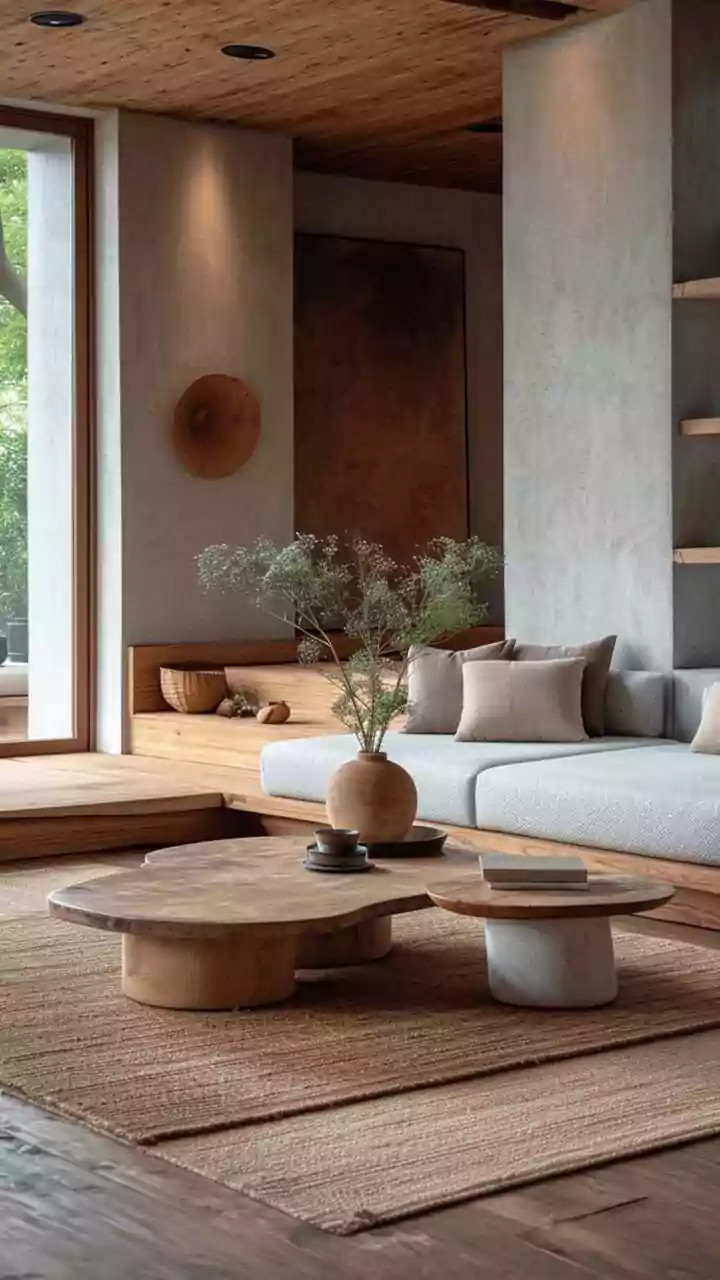
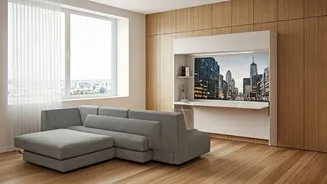
Ironically, the same room that hosts your workday conference calls is now also expected to be your primary venue for relaxation and entertainment. After the laptop closes, the space must instantly transform into a cozy movie theater, a serene reading nook, or a place to host friends. This is where adaptable design shines. Smart lighting plays a huge role; bright, cool light for work can be switched to warm, dim light for the evening. Modular furniture, like sectional sofas that can be rearranged or coffee tables that lift to become dining surfaces, offers incredible flexibility. The pressure is on this one room to provide separation and escape, even when you haven’t physically gone anywhere. It has to feel like a retreat from the day’s responsibilities, a task made much harder when the evidence of that work—the desk, the monitor, the lingering stress—is still in your line of sight.