








They're Made for the Instagram Age
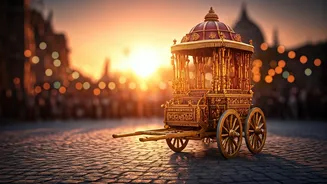
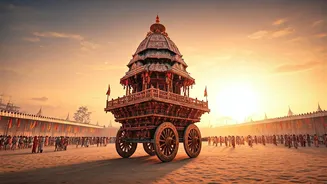
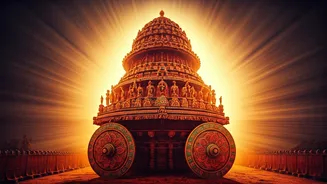
Let's be honest: social media runs on spectacle. And it's hard to find anything more spectacular than a Ratha Yatra, or Festival of Chariots. Originating from Puri in India, this Hindu festival centers on three colossal, temple-like carts, each carrying
a deity. These aren't just floats; they're handcrafted works of art, draped in vibrant fabrics, adorned with intricate carvings, and topped with towering canopies. When one of these structures, often standing over three stories high, rolls through the streets of New York, London, or Los Angeles, it’s an awe-inspiring sight. The sheer scale creates an instant "wow" factor that's perfectly suited for wide-angle photos and dramatic video clips. Add to that the thousands of participants dressed in colorful traditional attire, the hypnotic music, and the joyous dancing. Every element is a feast for the eyes, providing endless content for creators and casual phone-wielders alike. In an online world saturated with polished, predictable content, the raw, unfiltered grandeur of a chariot festival is impossible to ignore. It’s a real-world event that looks like it was designed for a cinematic universe, making it prime material for viral shares.
You Don't Just Watch, You Join In
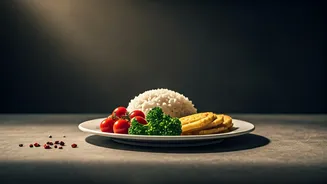
Unlike a typical parade where you're a spectator behind a barricade, chariot festivals are fundamentally interactive. The central act of the festival is for the public—everyone and anyone—to help pull the massive chariots using long, thick ropes. This act is considered a sacred and deeply symbolic service, signifying the pulling of a deity back into one's heart. This participatory element transforms the event from a passive viewing experience into an active, communal one. For social media, this is gold. It generates countless "Point of View" (POV) videos of people grabbing the ropes, feeling the collective energy, and becoming part of the procession. The festival is also known for its continuous singing of mantras (kirtan) and the free distribution of sanctified vegetarian food (prasadam) to all attendees. These elements create a powerful sense of community and shared experience. Influencers and regular users can post about the "vibe," capturing the sounds of communal chanting or sharing the experience of receiving a free, delicious meal. It’s an immersive cultural event that invites you to be a character in the story, not just an audience member.
It Feels Real in a Digital World
In an era dominated by commercialized "experiences" and curated brand activations, chariot festivals offer something increasingly rare: authenticity. These are not marketing events; they are deeply rooted religious and cultural celebrations that have been practiced for centuries. For many Americans, particularly younger generations, there's a growing curiosity about spirituality and a desire for genuine cultural encounters that go beyond surface-level tourism. A chariot festival provides a window into a rich tradition that is vibrant, welcoming, and open to all. Its presence on social media isn't driven by a corporate marketing budget but by the genuine enthusiasm of its participants. This organic nature resonates powerfully with users who are tired of being sold to. The content feels less like an ad and more like a discovery. Seeing friends or creators participate in something so profoundly different and joyful sparks curiosity. It taps into a desire to connect with something bigger than oneself, whether that's for spiritual reasons, cultural appreciation, or simply the thrill of joining a massive, positive-energy street party. This combination of ancient tradition and modern openness makes it a compelling phenomenon that people want to share.