





From Dumbbells to Desks
For decades, protein supplements were the exclusive domain of bodybuilders and elite athletes, sold in specialty stores and smelling faintly of chalk and ambition. Products like whey powder, creatine, and dense, chewy bars were marketed as tools for muscle
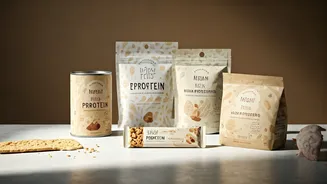
synthesis and peak performance, things the average office worker rarely considered between meetings. But in the last decade, a quiet revolution has taken place. Brands like RXBAR, Quest Nutrition, and Clif Bar have successfully rebranded protein not just as muscle fuel, but as brain fuel, satiety aid, and the perfect, convenient solution to the 3 p.m. slump. This strategic pivot has unlocked a vast, untapped market: the American corporate employee. The target audience is no longer just someone trying to get bigger, but anyone trying to get through the day.
The Corporate Wellness ROI
Companies are not just passively allowing this trend; they are actively encouraging it. The free-for-all snack pantry, once a quirky startup perk, is now a standard offering in competitive industries. But the contents of that pantry are undergoing a major upgrade. Human resources and office managers, armed with data about employee wellness and productivity, are swapping sugary sodas for sparkling water and potato chips for protein-packed alternatives. The logic is straightforward. Healthy, well-fed employees are more focused, have more stable energy levels, and take fewer sick days. Providing healthier snacks is a relatively low-cost, high-visibility way for a company to signal it cares about its employees' well-being. It’s an investment in human capital that, unlike a gym membership reimbursement, is consumed daily right inside the office, reinforcing the company's commitment to a culture of performance and health.
The Billion-Dollar Snack Drawer
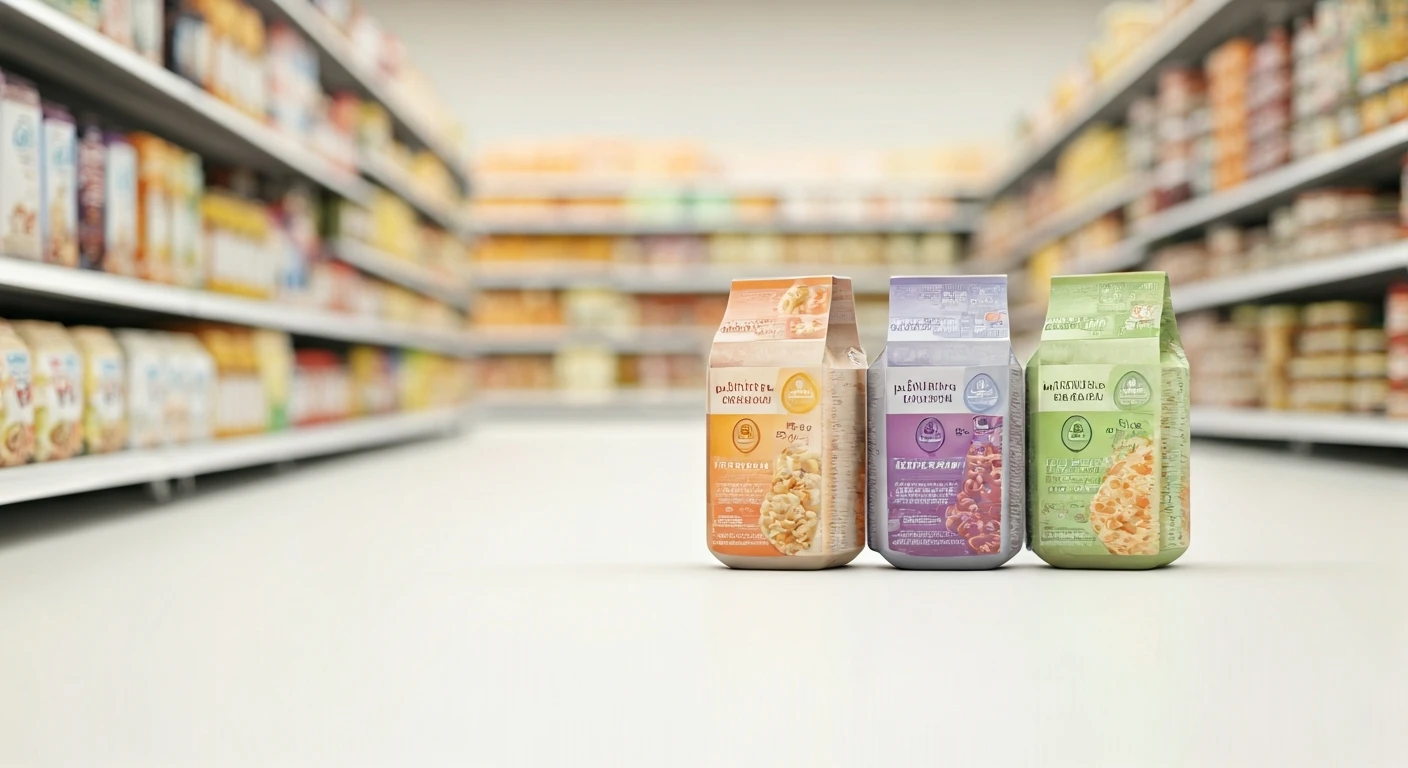
For the food and beverage industry, the corporate world represents a massive new frontier. After saturating the fitness and health food store markets, manufacturers realized the real growth lay in mainstream distribution. The workplace is the perfect channel. It offers a captive audience of millions of consumers who are busy, often stressed, and looking for convenient, guilt-free options. Brands are aggressively pursuing B2B (business-to-business) sales, creating corporate programs and offering bulk discounts to get their products into office kitchens. The marketing message has been masterfully tweaked. On Instagram, a protein bar might be shown next to a kettlebell. In a pitch to a corporate client, it's positioned as a tool to “power through your next presentation” or “avoid decision fatigue.” This dual-track marketing allows them to maintain their fitness credibility while expanding into the much larger and more lucrative wellness-at-work space.
Nutrition or Just a Better Candy Bar?
Despite the enthusiasm from employers and employees, the nutritional reality of these products is complex. Nutritionists are quick to point out that while many of these snacks offer a significant protein boost, they can also be high in sugar, saturated fats, and artificial ingredients. The term “high protein” acts as a health halo, making consumers feel good about eating what is, in some cases, a highly processed candy bar with added whey or soy isolate. While a protein bar is certainly a better choice than a vending machine pastry, it's not a substitute for a balanced meal of whole foods. The ideal use case is as an occasional, convenient stopgap. The risk is that in the high-pressure corporate environment, these “convenience” foods become the default, replacing actual meals and promoting a culture of desk-side dining rather than mindful eating.