






1. Your Face Is Becoming Your Boarding Pass
You might find yourself skipping the document fumble at the gate. A growing number of U.S. airports and international airlines are using biometric facial comparison technology for boarding. Instead of a gate agent scanning your paper or phone pass, you’ll
simply look into a camera. The system matches your face to the photo in the government’s database (like your passport photo) to verify your identity. While it’s designed to be faster and more secure, you can still opt out and have your documents checked manually if you prefer. Just be aware that you might be directed to a different line.
2. Pre-Booking Your Parking (and Security Slot)
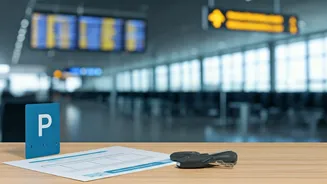
The days of circling a packed airport garage hoping for a miracle are numbered. Many major hubs now offer—and strongly encourage—pre-booking your parking spot online. This not only guarantees you a space but often provides a discount over drive-up rates. Taking it a step further, some airports are letting you reserve a time slot to go through the TSA security line. Programs like SEA Spot Saver at Seattle-Tacoma or LAX Fast Lane at Los Angeles International are free services that give you a 15-minute window to enter a dedicated, shorter queue. It requires a little advance planning but can be a game-changer during peak travel times.
3. The REAL ID Deadline Is (Finally) Approaching
After years of postponements, the REAL ID enforcement deadline is set for May 7, 2025. After this date, every traveler 18 years or older will need a REAL ID-compliant driver’s license, a state-issued enhanced driver’s license, or another acceptable form of ID (like a U.S. passport) to fly within the United States. A standard license will no longer be sufficient. You can tell if your license is compliant by looking for a star emblem in the upper right corner. If it’s not there, a trip to the DMV is in your future. Don’t wait until the last minute, as appointment backlogs are expected to grow.
4. Smarter Scanners Mean Fewer Hassles
The dreaded 'laptops and liquids out' shuffle is slowly being phased out. The TSA is rolling out new Computed Tomography (CT) scanners at checkpoints across the country. This technology provides a 3D image of your carry-on contents, allowing officers to get a much clearer view without you having to unpack. At checkpoints with these new machines, you can leave your approved liquids and large electronics inside your bag. It’s not universal yet, so always listen for agent instructions, but when you encounter one of these new lanes, it’s a welcome time-saver.
5. Contactless Concessions Are the New Norm
Grabbing a pre-flight meal has gone digital. Instead of waiting for a server, many airport restaurants and food courts now feature QR codes on every table. You scan the code with your phone to pull up a menu, place your order, and pay directly from your device. Your food is then brought to your table or sent to a designated pickup counter. Similarly, mobile ordering through airline or airport apps is becoming more common, letting you order ahead and skip the line entirely. It’s efficient, but it means having a charged phone is more critical than ever.
6. Lounge Access Is Getting More Complicated
That credit card perk that gave you unlimited lounge access might have some new fine print. Due to overcrowding, many airport lounge operators and credit card companies are tightening their policies. Some have reduced guest privileges, while others, like Delta Sky Club, have limited access for certain cardholders to a set number of visits per year. Capital One has even opened its own branded lounges that operate with different rules than the Priority Pass network. Before you count on a quiet space and free snacks, double-check the latest access rules for your specific credit card and the lounge you plan to visit.