




An Open Invitation for Pests
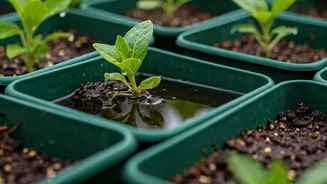
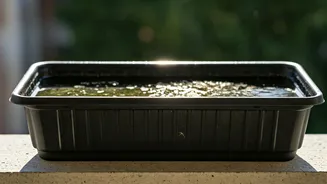
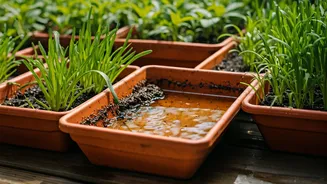
The most immediate and widespread issue with standing water in planter trays is that it creates a five-star resort for mosquitoes. It only takes a tiny amount of stagnant water—as little as a bottle cap’s worth—for a female mosquito to lay hundreds of eggs.
Within a week, those eggs can hatch into a new generation of biting insects. For apartment dwellers, this means a personal, localized mosquito factory right outside your door, increasing your risk of bites and the diseases they can carry, like West Nile virus. Beyond mosquitoes, that constant dampness also attracts other unwelcome guests. Cockroaches, fungus gnats, and earwigs are all drawn to moist environments, and a water-filled saucer provides the perfect habitat for them to thrive and potentially find their way into your home.
The Slow Creep of Structural Damage
While pests are a nuisance, the long-term damage to your property is a far more costly concern. Balconies are not designed to be perpetually wet. When a planter tray constantly overflows or sits in a puddle, the moisture seeps into the surrounding materials. For wood balconies, this is a recipe for disaster. The constant dampness promotes wood rot, weakening the structural integrity of the deck boards and even the support beams over time. On concrete balconies, the water can cause spalling, where the surface flakes and breaks off. It also can lead to efflorescence, that ugly, chalky white residue. If your balcony has metal railings or supports, the persistent moisture will accelerate rusting and corrosion, compromising both their appearance and their strength. What starts as a simple puddle can end with a very expensive repair bill.
A Breeding Ground for Mold and Mildew
The dark, damp, and often undisturbed space underneath a potted plant is an ideal environment for mold and mildew to flourish. These fungi aren't just an unsightly black or greenish stain on your balcony floor; they can pose health risks. Mold spores can become airborne and, when inhaled, may trigger allergic reactions in sensitive individuals. Symptoms can range from sneezing, runny nose, and red eyes to more severe skin rashes and asthma attacks. For people with compromised immune systems or chronic lung illnesses, exposure to mold can lead to more serious health complications. The musty odor is often the first clue, but by the time you smell it, the colony is already well-established and spreading.
Simple Solutions for a Silent Problem
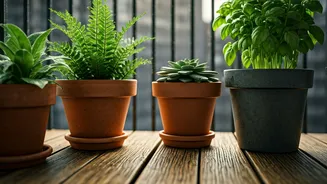
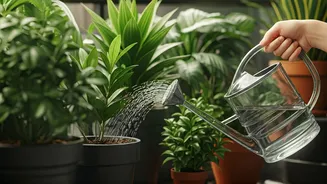
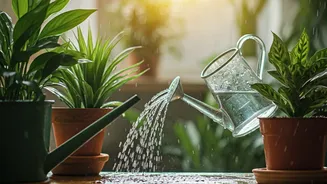
The good news is that preventing these issues is incredibly simple and requires just a few minor adjustments to your plant care routine. The easiest habit to adopt is to empty the saucer about 30 minutes after watering. This gives the soil time to absorb what it needs while ensuring no water is left standing. For a more hands-off approach, consider using “pot feet” or small decorative risers to elevate your planter. This creates airflow underneath, allowing the area to dry out completely between waterings. You can also add a layer of pebbles or gravel to the saucer; this keeps the pot elevated above the water line. For those who frequently forget, drilling a small drainage hole in the side of the plastic tray itself can be a foolproof solution. And when shopping for new pots, look for self-watering planters that have a built-in reservoir, which keeps water contained and away from your balcony surfaces.