






First Off, What Exactly Is Sattu?
Before you picture another green juice, let's clarify. Sattu is not a fruit or a vegetable; it’s a flour made from roasted grams, typically chickpeas. Think of it as the Indian subcontinent’s original protein powder. For generations, it has been a staple
food in rural states like Bihar and Uttar Pradesh, celebrated for its affordability, long shelf life, and incredible nutrient density. Traditionally, laborers and farmers would mix sattu with water, salt, and a squeeze of lime to create a simple, savory porridge or drink that provided sustained energy through long, hot workdays. It’s packed with protein, fiber, and essential minerals like iron and magnesium, and it’s known for its natural cooling properties, making it a go-to remedy for summer heat. For years, it was considered a humble, rustic food—the opposite of urban sophistication.
From Rural Staple to Urban Superfood
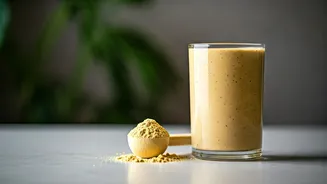
So how did this “poor man’s protein” become the drink of choice for Delhi’s trend-conscious youth? The answer lies in its modern reinvention. The sattu being consumed in trendy urban cafes is a far cry from the simple, salted drink of the past. Today, it’s the base for creamy, complex smoothies. Baristas and home blenders are mixing the nutty, earthy flour with oat milk, bananas, dates for sweetness, and even a dash of cocoa or cinnamon. It’s being positioned not just as a drink, but as a complete, customizable meal replacement. This transformation takes sattu from a survival food to a lifestyle product. It has all the hallmarks of a modern wellness trend: it’s gluten-free, plant-based, and delivers a powerful protein punch without the processed ingredients found in many Western supplements.
The Gen Z Appeal: Authenticity and Identity
The sattu boom isn’t just about nutrition; it's a cultural statement. For Indian Gen Z, a generation that is globally connected yet increasingly interested in its own roots, sattu represents a form of “edible identity.” Choosing a sattu smoothie over an expensive, imported whey protein shake is a quiet act of decolonization. It’s a vote for local, sustainable, and authentic wellness. This generation is wary of a global wellness industry that often co-opts and commercializes traditional ingredients (turmeric lattes, anyone?). Sattu, by contrast, feels homegrown and unpretentious. It connects them to a tangible piece of their heritage, repackaged for their modern lives. On social media, it’s not just a drink; it’s a vibe—part of an aesthetic that champions Indian-made products and traditions with a contemporary twist.
A Budget-Friendly Powerhouse
Let’s not forget the economic angle. In a city like Delhi, where the cost of living is a constant concern for young people, sattu is refreshingly accessible. A scoop of high-quality sattu costs a fraction of what a serving of premium whey protein or a fancy acai bowl does. This makes it an incredibly democratic superfood. You don't need a high income to participate in the wellness trend. Students, young professionals, and fitness enthusiasts can get a powerful nutritional boost without breaking the bank. This combination of cultural pride, potent health benefits, and affordability has created a perfect storm, turning a forgotten flour into the foundation of a modern, aspirational lifestyle that feels both responsible and cool.